ICE Arrested 50,925 People in August, Its Third Monthly Record in a Row
Homeland Security says the agency has now topped its own arrest record three consecutive months. An independent data project puts July's number several hundred lower than the government does.

Immigration and Customs Enforcement arrested 50,925 people in August, the highest one-month total in the agency's history and the third consecutive month it has broken its own record, the Department of Homeland Security said this week.
The August figure edges past July's 50,208 and sits well above June's 43,900. Taken together, the three months represent roughly 145,000 arrests in a single summer, a pace the agency has never sustained before and one that has required pulling in personnel from other federal law enforcement agencies to carry out.
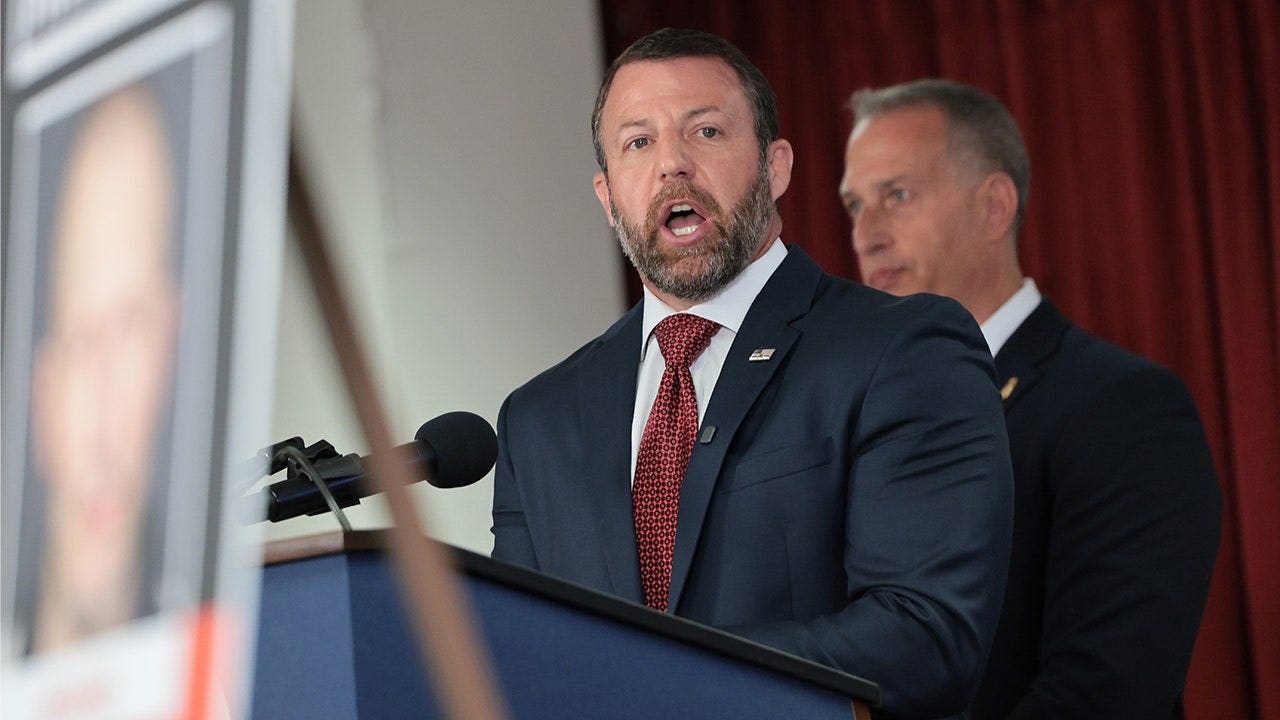
"The hard-working men and women of DHS continue to break records as they defend the homeland and protect the American people," Homeland Security Secretary Markwayne Mullin said. "This is promises made and promises kept in action."
DHS says more than 3 million people have either been deported or left the United States voluntarily since President Donald Trump returned to office in January 2025. A large share of that total comes from a self-deportation program that offers free flights home and payments of up to $3,000 per person, an approach the administration has promoted as cheaper than detention and removal proceedings.
The government's numbers are not the only ones in circulation. The Deportation Data Project, which obtains ICE records through litigation, counted 49,571 arrests in July — several hundred fewer than the figure DHS published for the same month. The gap is small in percentage terms but it matters, because the monthly records are being used as the primary public measure of whether the enforcement surge is working.
The arrests are the visible end of a much broader set of policy changes. The administration has paused immigrant visa applications, revoked temporary protected status for several nationalities, and expanded expedited removal. Much of that architecture is now in litigation. A federal judge blocked the administration's second attempt to end birthright citizenship this week, calling the Supreme Court's June ruling on the question "the law of the land." The Justice Department has also told states that they must report undocumented residents or risk losing federal welfare funding, a demand that has drawn suits from several attorneys general.
Enforcement operations have concentrated on large sanctuary jurisdictions, and officials have signaled that Chicago and Boston are next in line for surge deployments. Local officials in both cities have said they will not direct police to assist. In Illinois, members of an accountability commission set up to monitor immigration operations said agents have changed tactics in recent weeks, moving away from large publicized sweeps toward smaller, faster arrests at courthouses, workplaces and check-in appointments.
Detention capacity remains the practical ceiling on the numbers. Congress funded a substantial expansion this year, but the system has been running at or near capacity for months, and the arrest totals now depend heavily on how quickly people already in custody can be removed.