Alberta Votes Today on Whether to Start the Process Toward Leaving Canada
The nonbinding referendum is the first time the oil-rich province has put separation to a public vote, and every recent poll shows voters overwhelmingly choosing to stay.
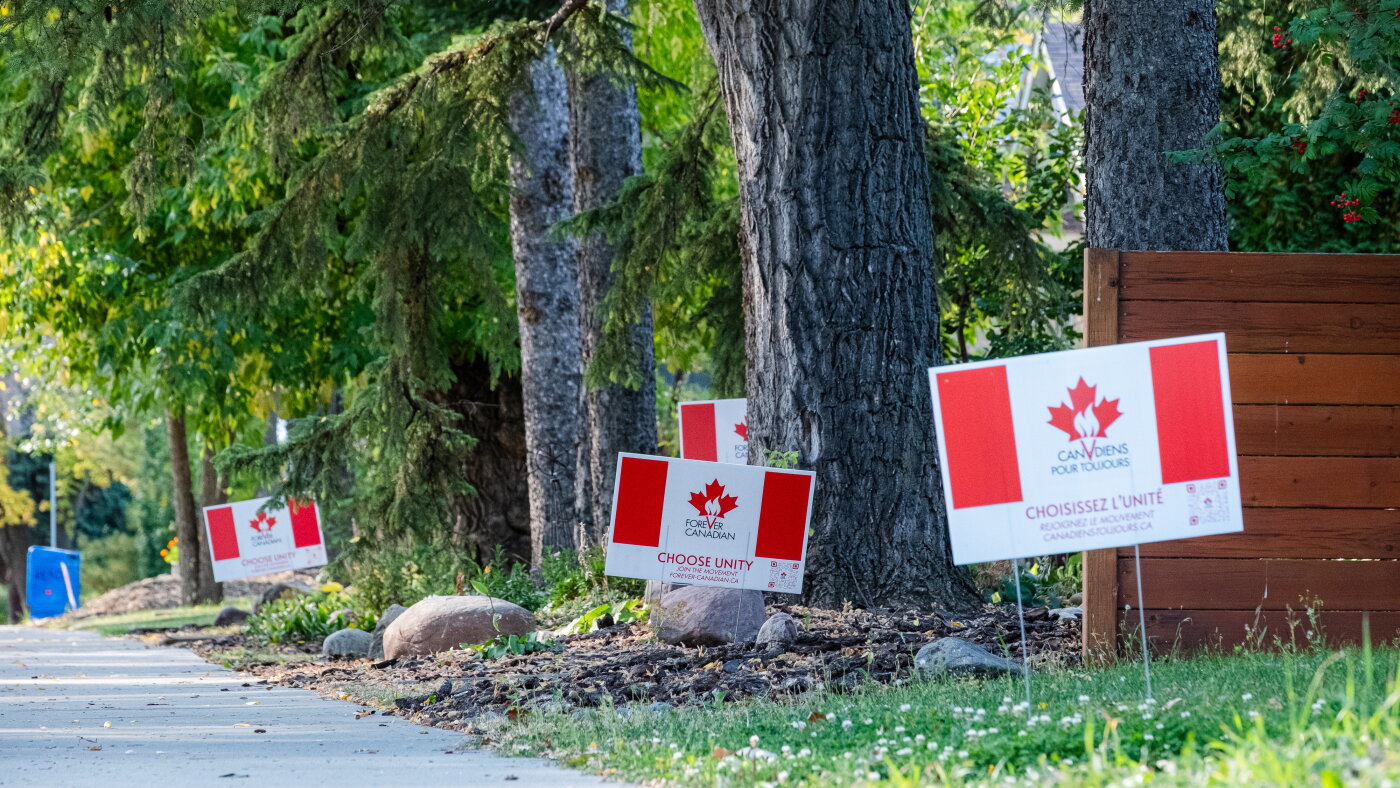
EDMONTON, Alberta — Voters in Canada's oil-rich province of Alberta are casting ballots today in a nonbinding referendum on whether to take the first formal step toward a vote on leaving the country. Elections Alberta has described it as the largest electoral event in the province's history, and it is the first time Albertans have been asked about separation at the ballot box.
The vote is, in essence, a referendum about whether to hold another referendum. Voters face 10 questions in total. The first nine cover immigration, access to provincial services such as health care and education, and possible changes to the Canadian Constitution, and each can be answered yes or no. Question 10 is the one that matters most. Option 1 asks whether Alberta should remain a province of Canada. Option 2 asks whether the provincial government should begin the legal process required under the Constitution to hold a binding referendum on separation.
Every recent poll points to a lopsided result in favor of staying. Leger had remain at 74 percent and the separation process at 21 percent in a survey taken October 14 to 16. Research Co. found 74 percent to 22 percent in a poll finishing Sunday. Ipsos put remain at 70 percent, Pollara at 73 percent, Abacus Data at 68 percent, and Angus Reid at 66 percent. The closest result came from Mainstreet, at 65.6 percent to 34.4 percent. Pollsters generally estimate that about one in five Albertans actively support separation.
Supporters of independence say the poll numbers understate the anger behind the movement. "Even if we don't get over the line on Monday, I would hope that some people understand that something large is brewing here and if we don't get some change, it's going to continue to grow," Cory Morgan, who founded the Alberta Independence Party in 2000, told NPR. Western alienation and grievances against Ottawa stretch back decades, to the Pierre Trudeau era of the 1970s and 1980s. Support for separation hardened further for some Albertans after COVID-19 lockdowns and vaccine mandates. Others complain about sending money to the federal equalization system, which funds provinces with less fiscal capacity. Alberta holds the world's fourth-largest known oil reserves.
Prime Minister Mark Carney returned to his hometown of Edmonton on Friday to urge a vote to remain. "A vote against Canada is a dangerous bluff that will lead to years of deep uncertainty and lost opportunities for Albertans and Canadians," he told a rally. Premier Danielle Smith, who said in May that it was time to have a vote and move on, has promised to respect the outcome. If voters choose Option 2, she has said she will begin the process of holding a legally binding referendum, subject to legal requirements, though that would not happen immediately.
The campaign has been messy. A court ruled in May that a separatist petition violated Indigenous rights because the province had failed to consult First Nations, and the province has appealed. First Nations groups note that their treaties with the Crown predate Canadian Confederation, and they have objected to the idea of an independent Alberta. A Globe and Mail investigation published October 3 reported that Republican-linked operatives were assisting the separatist campaign, and University of Regina researchers have flagged suspected foreign influence activity online.
Even a decisive yes would not take Alberta out of Canada. The Supreme Court has ruled that a province wishing to leave must negotiate with the other nine provinces and the federal government and secure a constitutional amendment. "It requires negotiating your way out," said Jared Wesley, a political scientist at the University of Alberta. Canada's Clarity Act, passed in 2000 after Quebec's narrow rejection of independence in 1995, says secession talks can begin only after a referendum question and result meet a standard of clarity, though it sets no fixed percentage for a clear majority. Results are expected after polls close tonight.