Separatist Parti Québécois Wins Quebec Election, Falling 5 Seats Short of a Majority
Paul St-Pierre Plamondon's party jumped from 3 seats to 59 and wiped out the governing CAQ. He promises an independence referendum, but only after Trump leaves office.

The sovereigntist Parti Québécois won Quebec's provincial election on Monday and will form a minority government, a result that returns the party to power for the first time in more than a decade and puts an independence referendum back on the province's political agenda.
Led by Paul St-Pierre Plamondon, the PQ won 59 seats in the 127-seat National Assembly, five short of the 64 needed for a majority. It had held only three seats after the 2022 election. The Liberals finished second with 40 seats, the Conservatives took 19, and Québec solidaire won nine. The governing Coalition Avenir Québec, which won a commanding majority four years ago, was left with no seats at all, and its leader, Christine Fréchette, lost her own riding.
St-Pierre Plamondon won about 28 percent of the vote, according to figures cited in coverage of the results. His party's seat total reflects how fragmented Quebec's vote has become, with votes split among four parties and a collapsing incumbent. Political scientist Daniel Béland said the result owes more to that multiparty arithmetic than to a surge in separatist sentiment. Reuters reported that support for independence stands at about 30 percent, close to a record low.
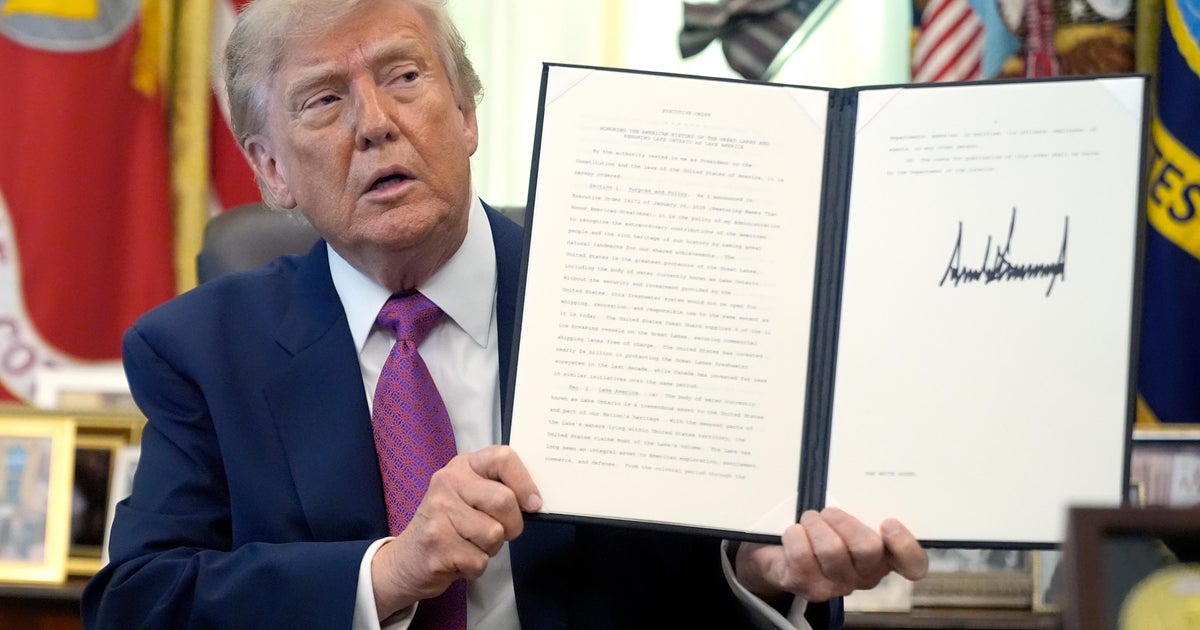
In his victory speech, St-Pierre Plamondon promised to work with the other parties and to be "direct" with Prime Minister Mark Carney. He has said he will hold a referendum on Quebec sovereignty, but only once U.S. President Donald Trump has left office. He has also signaled plans to loosen Quebec's ties to the British monarchy.
Because the PQ is five seats short, it will need support from opposition members to pass legislation and to survive confidence votes. Any of the three other parties could, in principle, bring the government down, which limits how fast it can move on its signature promises. A referendum, in particular, would require a political climate that polls do not currently show.
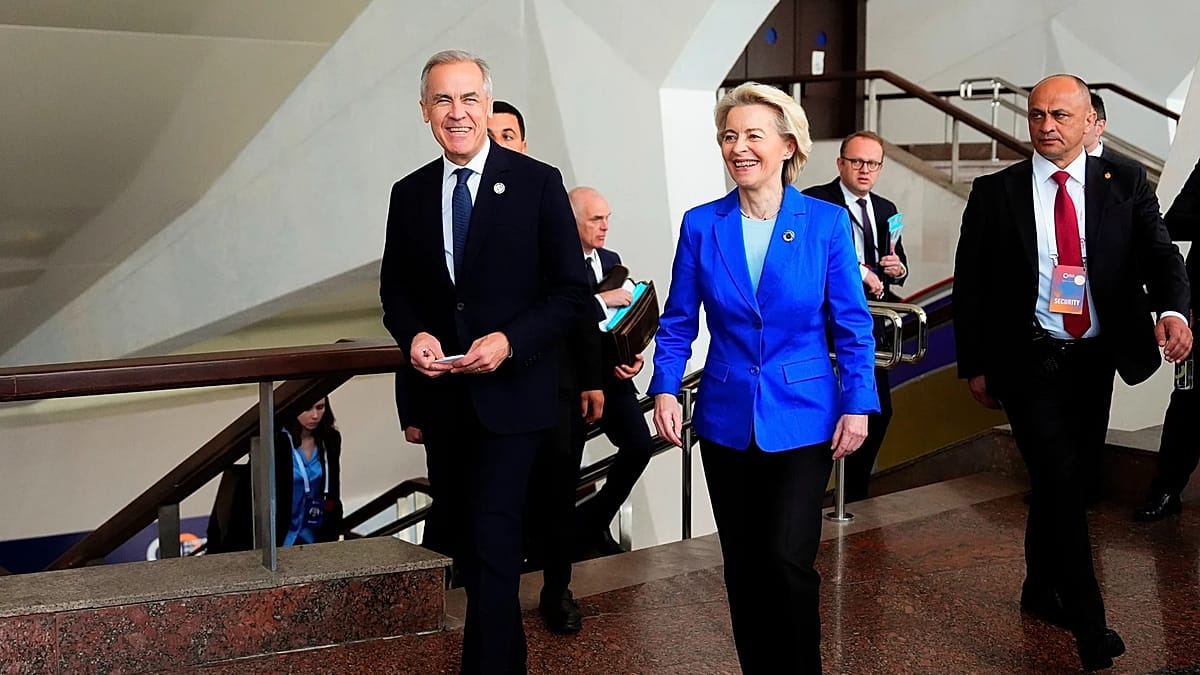
Carney, who leads a federal government that has spent the past year dealing with U.S. trade pressure, struck a conciliatory note. "Building a stronger Québec is core to our mission of building a stronger Canada," he said, signaling that Ottawa intends to work with the new government despite its goal of leaving Canada.
The scale of the CAQ's collapse is the other half of the story. The party swept Quebec in 2018 and won again in 2022, and it is now without a legislative seat. The Liberals, who spent years in the wilderness, are positioned as the main opposition and the likeliest source of any alliance or challenge to the PQ.
For now, the PQ takes office with a mandate to govern and a mandate that falls short of what its leader wanted. Its first test will be the budget and the first confidence votes, where the party will find out whether it can turn a historic comeback into a stable government.