Five European Countries Plan a Deportation Hub in Rwanda for Rejected Asylum Seekers
Germany, Denmark, Austria, Greece and the Netherlands have agreed in principle to open a 'return hub' in 2027, though key details remain unsettled.

Five European Union countries announced this week that they plan to open a deportation center in Rwanda next year for migrants whose asylum requests have been rejected. Germany, Denmark, Austria, Greece and the Netherlands have reached an agreement in principle with Rwanda to set up what they call a "return hub" in the landlocked African nation in 2027.
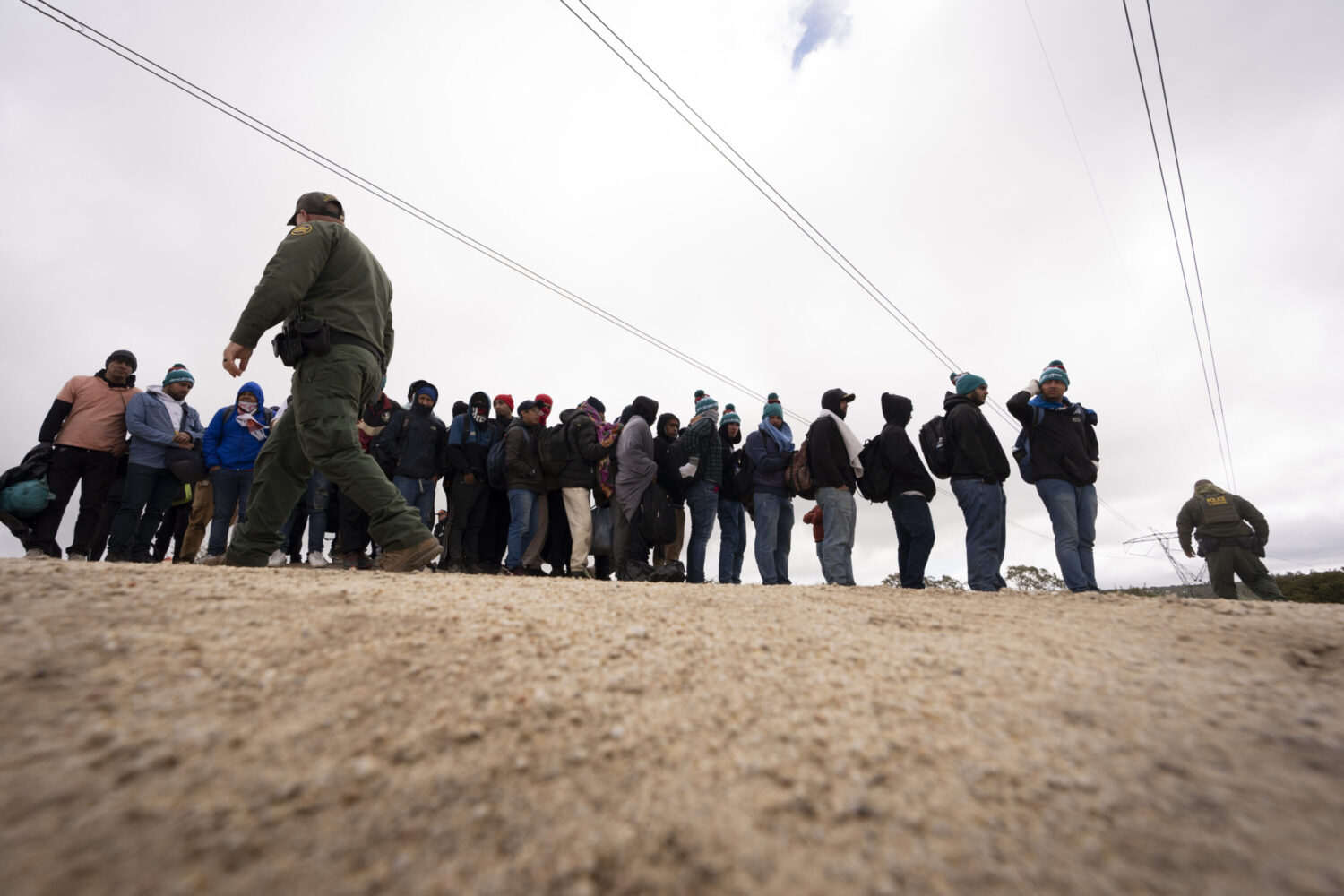
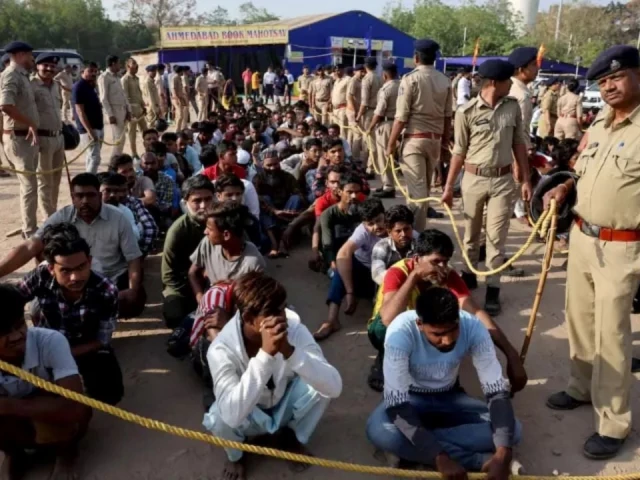
The plan echoes President Trump's initiative to deport migrants to third countries with which they have no ties, and a British effort under a previous government that failed to clear legal hurdles. It is an attempt to answer widespread public concern about mass migration that has fueled political change across Europe, but it is far from certain to succeed, or even to get started.
Unlike the U.S. program, the European plan would apply only to migrants who have exhausted every legal avenue to stay and have been placed under a deportation order. Rather than being sent back to their home countries, some would be transferred to Rwanda, where they could choose to stay or return home. The goal is to handle cases in which deportation is not possible because the home country refuses to accept the person or because returning would put them in danger.
The numbers behind the political pressure are stark. Some 230,000 foreign nationals in Germany were legally required to leave the country at the end of 2025, according to the newspaper Die Welt, yet government figures show fewer than 23,000 deportations were carried out during the year. "If people without the right to remain in the EU cannot be removed from the country, our entire asylum system becomes absurd," Austrian Chancellor Christian Stocker said this week.
The Dutch government said migrants sent to Rwanda would first be housed in an "open, temporary facility." Those who decide to remain would have access to education, the labor market, health care and the legal system. Danish Prime Minister Mette Frederiksen called the agreement "a crucial step toward a new migration system." Rwandan Interior Minister Vincent Biruta said the partnership would give people who no longer have the legal right to remain in the partner countries "a second chance."
Major questions remain. Dr. Peter W. Walsh, a senior researcher at the Migration Observatory at the University of Oxford, told CBS News that the countries still must negotiate who would be eligible for transfer, what legal status and rights people would have in Rwanda, who would pay for the facilities, and how authorities would monitor treatment after transfer. He also pointed to what Rwanda would receive in return, noting that payments were part of the earlier U.K.-Rwanda agreement.
That British policy, adopted by the former Conservative government, failed to survive a challenge in the U.K. Supreme Court, and the Labour government scrapped it completely in July 2024. There are important differences, Walsh said: the British scheme was designed to have asylum claims decided in Rwanda, while the European proposal is aimed at people whose claims have already been rejected.