India Deports Nearly 5,000 Bangladeshis From West Bengal After BJP's Sweeping Win
The state's new government says it has expelled 4,800 alleged undocumented migrants and detained hundreds more, fulfilling a campaign vow that rights groups warn is sweeping up Bengali-speaking citizens.
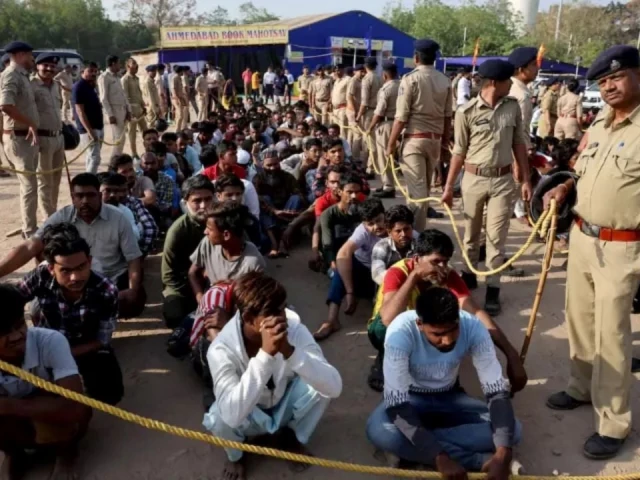
India has deported nearly 5,000 Bangladeshi nationals from West Bengal in the weeks since Prime Minister Narendra Modi's Bharatiya Janata Party swept to power in the eastern border state, a campaign the new government calls a crackdown on illegal immigration but that rights groups warn is ensnaring Indian citizens.
West Bengal Chief Minister Suvendu Adhikari said the state had expelled 4,800 people it described as undocumented migrants, with another 836 awaiting repatriation in holding facilities. The figures mark one of the largest such operations in recent memory in a state of more than 100 million people that shares a long, porous frontier with Bangladesh.
The deportations follow a decisive BJP victory in state elections last month, after a campaign in which the party promised to "detect, delete and deport" people it accused of entering the country illegally. On taking office, the new administration ordered the establishment of detention centers in every district to hold undocumented Bangladeshis and Rohingya refugees, and quickly moved to act on its pledge.
For Modi's party, the operation is the fulfillment of a signature promise and a demonstration that it can deliver on hard-line immigration rhetoric that has long animated its base. West Bengal had for decades been governed by parties that resisted such measures, and the BJP's breakthrough there represented a major political shift in a region where questions of citizenship, religion and migration are deeply entwined.
Rights advocates have raised alarms about how the campaign is being carried out. Human rights groups have previously accused Indian authorities of pushing Bengali-speaking Muslims — including Indian citizens — across the border into Bangladesh without due process, sweeping up longtime residents in dragnets aimed at foreigners. Because Bengali is spoken on both sides of the frontier, critics say it can be difficult to distinguish nationality by language alone, raising the risk that lawful residents are wrongly expelled.
The mass expulsions also carry diplomatic weight. Relations between New Delhi and Dhaka have been strained over migration and border security, and a sudden influx of deportees risks adding friction at a sensitive moment. Bangladeshi officials have at times disputed Indian claims that those sent across the border are their nationals. As the holding centers fill and busloads of detainees are processed for removal, the operation has become a national flashpoint in India — a test of how far a newly empowered government will go to act on promises that thrilled supporters and unsettled civil-liberties groups alike.