Close House Races May Take Days to Call, and California Is the Biggest Reason
NPR explains why results that look instant in some states take weeks elsewhere, and why election officials fear a fresh wave of conspiracy theories in the midterms.
Stephen Richer no longer runs elections in Maricopa County, Arizona, the fourth-largest county in the country, but he remembers election nights vividly. More than a million ballots sat in front of him and his staff, and every hour without a full count meant another conspiracy theory spreading online. "Those days, those were hell for me," said Richer, a Republican who served as the county's clerk and recorder. "You'd have a limited number of workers, and you'd have a limited amount of space, and you'd be doing everything that you possibly could. And yet you have everyone blowing up your phone, everyone saying that you're incompetent or corrupt or worse."
Election officials in competitive congressional districts will face the same pressure this year, NPR reports, along with a hard reality: some races may not be called until days after Election Day. The reason is partly a misunderstanding of what election night results are. The winners announced on television and social media are not the product of a complete count. They are race calls made by news organizations, including The Associated Press, based on a district's demographics and early returns.
Calls come faster when races are not close. "Margins matter," Richer said, noting that Utah draws far less scrutiny than Arizona or parts of California even though the states count at similar speeds. "In Utah you can call all the races very quickly because the Republicans there have high margins." No state finishes counting on election night, but lopsided races give that impression. The longest waits tend to come from places that have competitive races and also count slowly.
California fits that description better than anywhere. It has a large number of competitive House districts, which help decide control of the chamber, and one of the slowest counts in the nation. Experts also see a political risk. President Trump has long targeted California's election system, and Richer said the state's mix of mail voting and ballots postmarked after Election Day makes "a fairly incendiary situation." MIT election expert Charles Stewart put it more simply: "California just has a big target on its back."
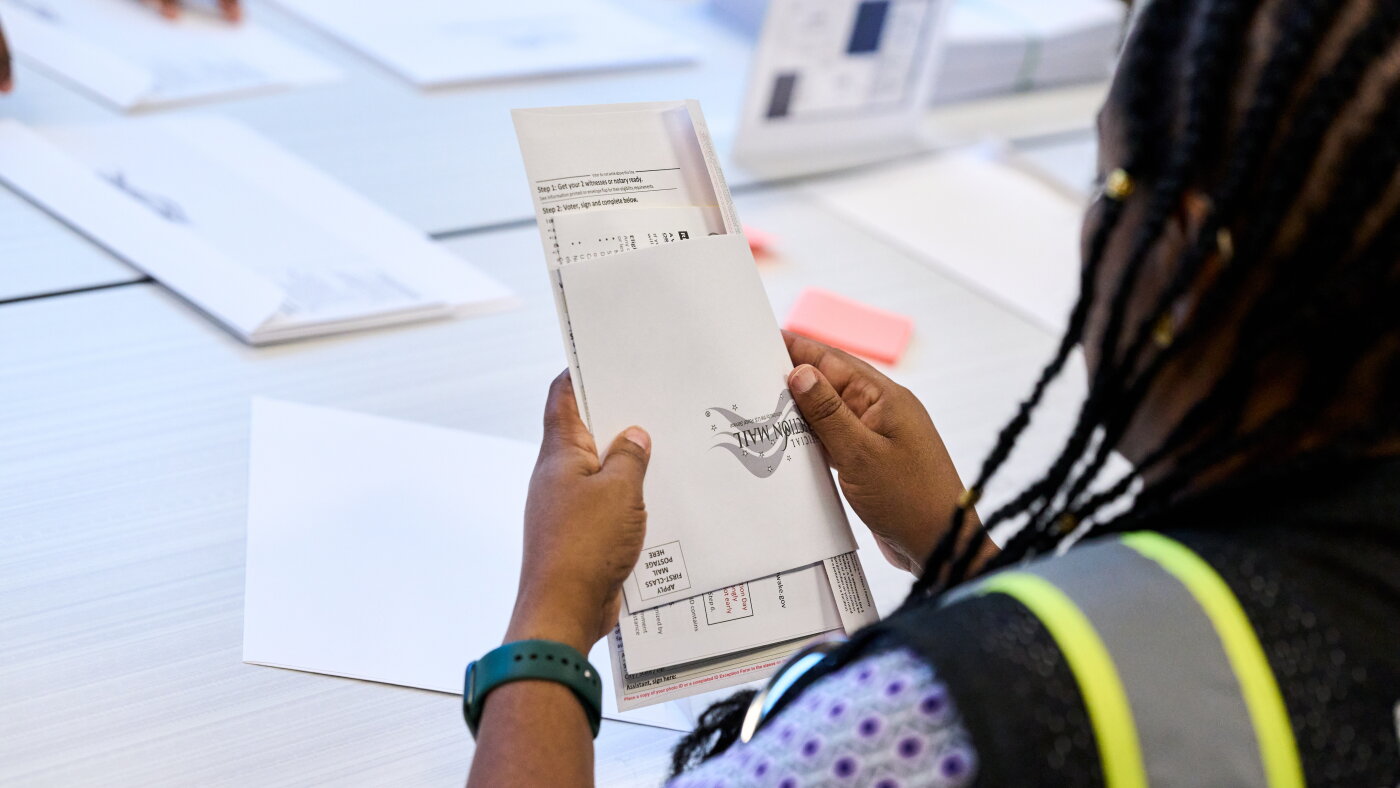
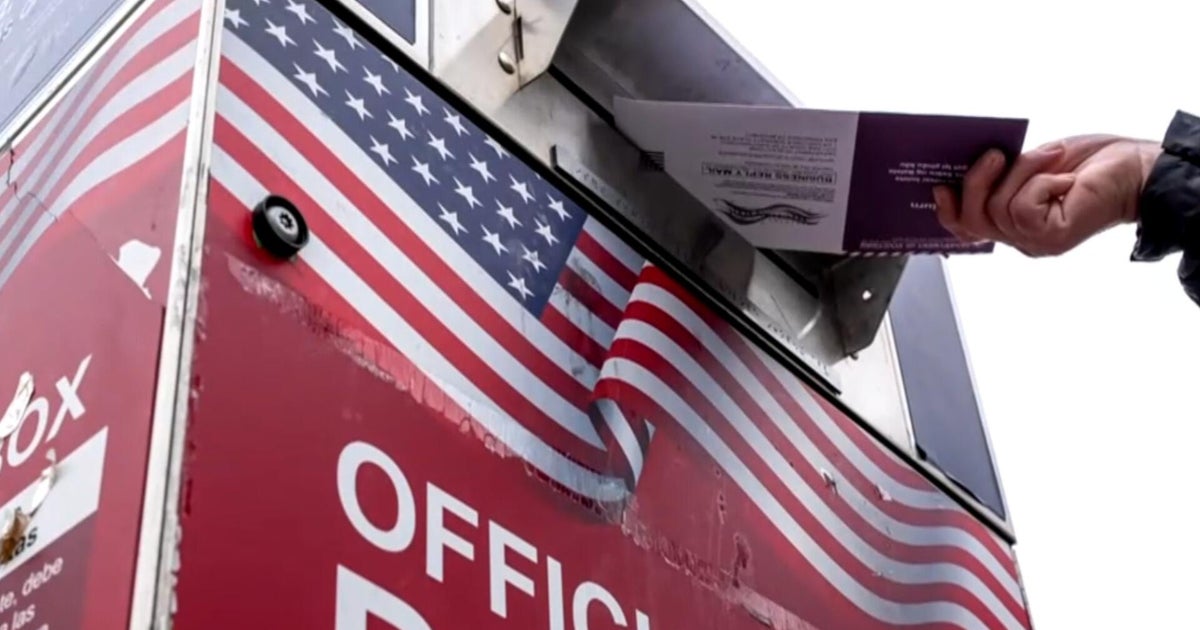
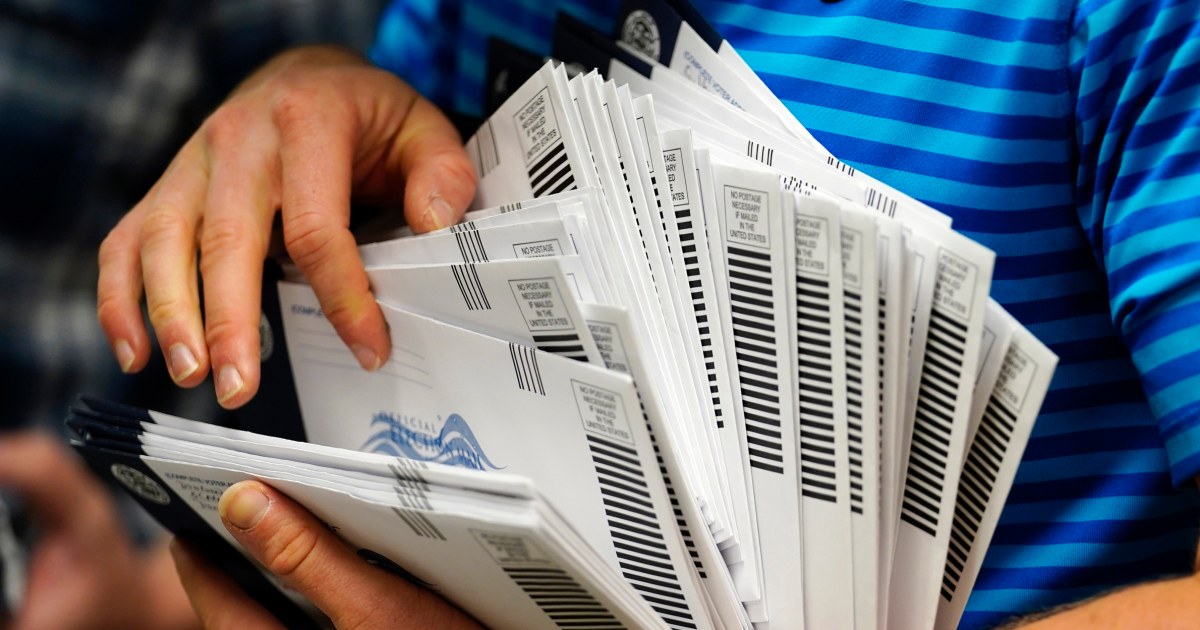
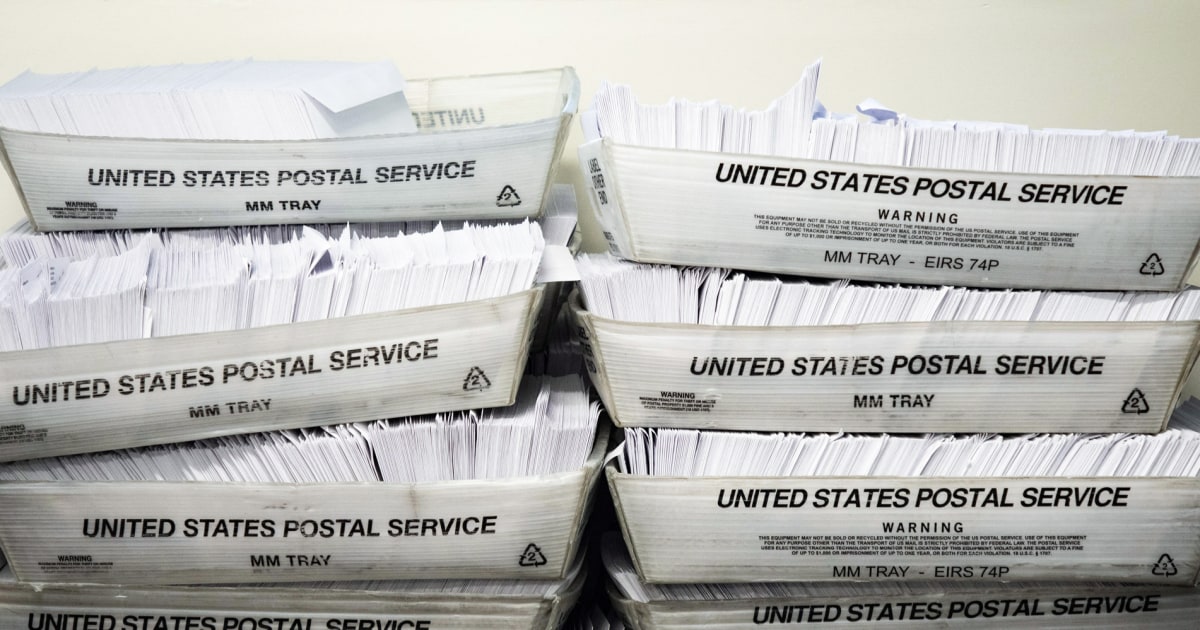
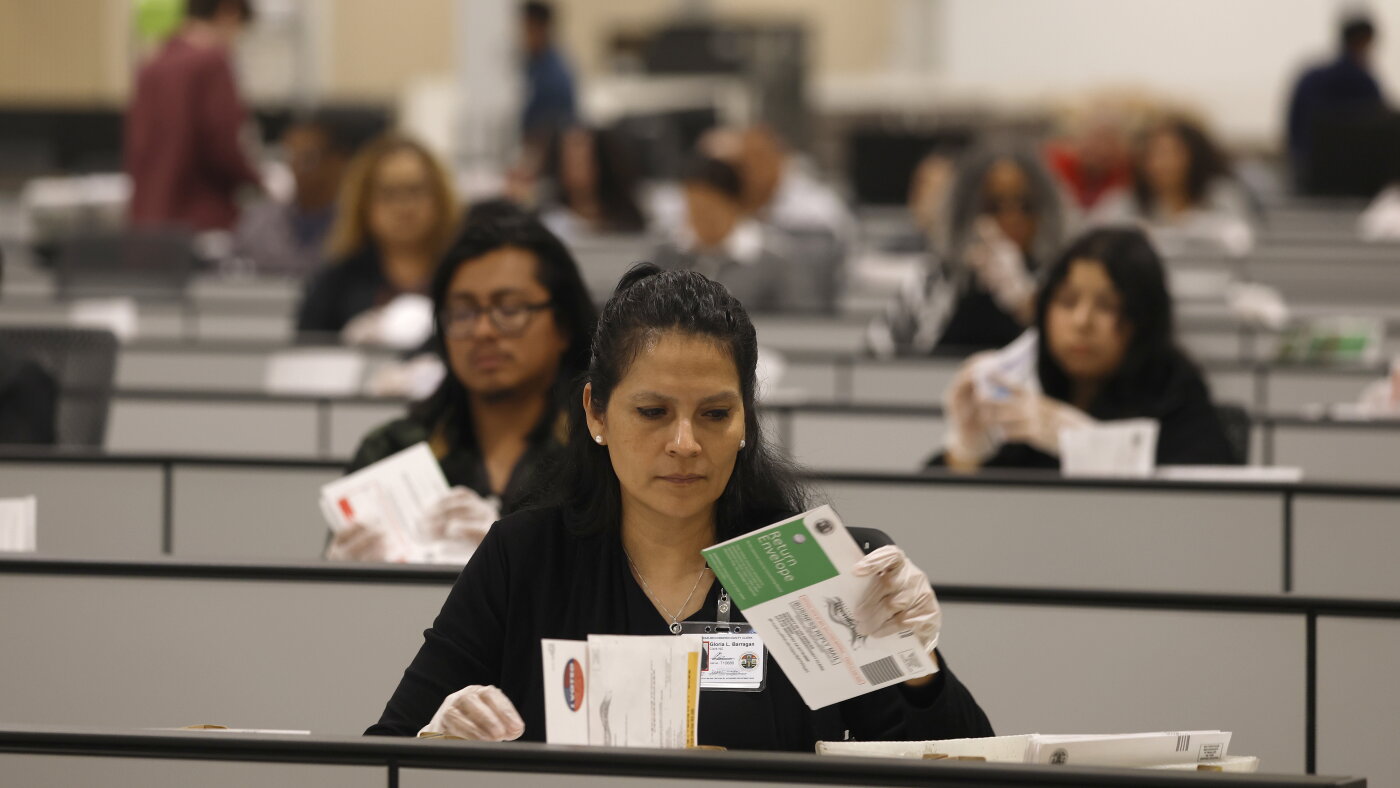
The main cause of the delay is what Kim Alexander of the California Voter Foundation calls "the pig in the python." Millions of mail ballots arrive on Election Day itself, creating a logjam. Those ballots take longer to process than in-person votes because officials must open envelopes and verify signatures. Alexander said some counties get up to 50 percent of their mail ballots on Election Day, so processing cannot start until later in the week.
California's slow count fueled conspiracy theories during its June primary. The state has set aside $40 million this year to speed counting, and part of it goes to voter education. Alexander is hopeful that voters will respond. Research this year found that voters in San Joaquin County who received postcards urging them to vote earlier were more likely to return ballots by the deadline that allows counting on election night. "We have all these amazing rights and opportunities that we give to our voters, and the price we're paying is a longer vote count," Alexander said. "But that doesn't mean that it has to be this long."
Alexander noted one change that could lower the temperature this year: California has fewer competitive House districts than it did before the 2022 elections, which means less national attention may fall on its slow tally.