Late Postmarks Could Get 43,000 to 55,000 More Mail Ballots Rejected, Analysis Finds
Postal Service cuts to pickups and processing mean some envelopes aren't stamped the day they're mailed, and officials are urging voters to use drop boxes or election offices instead.
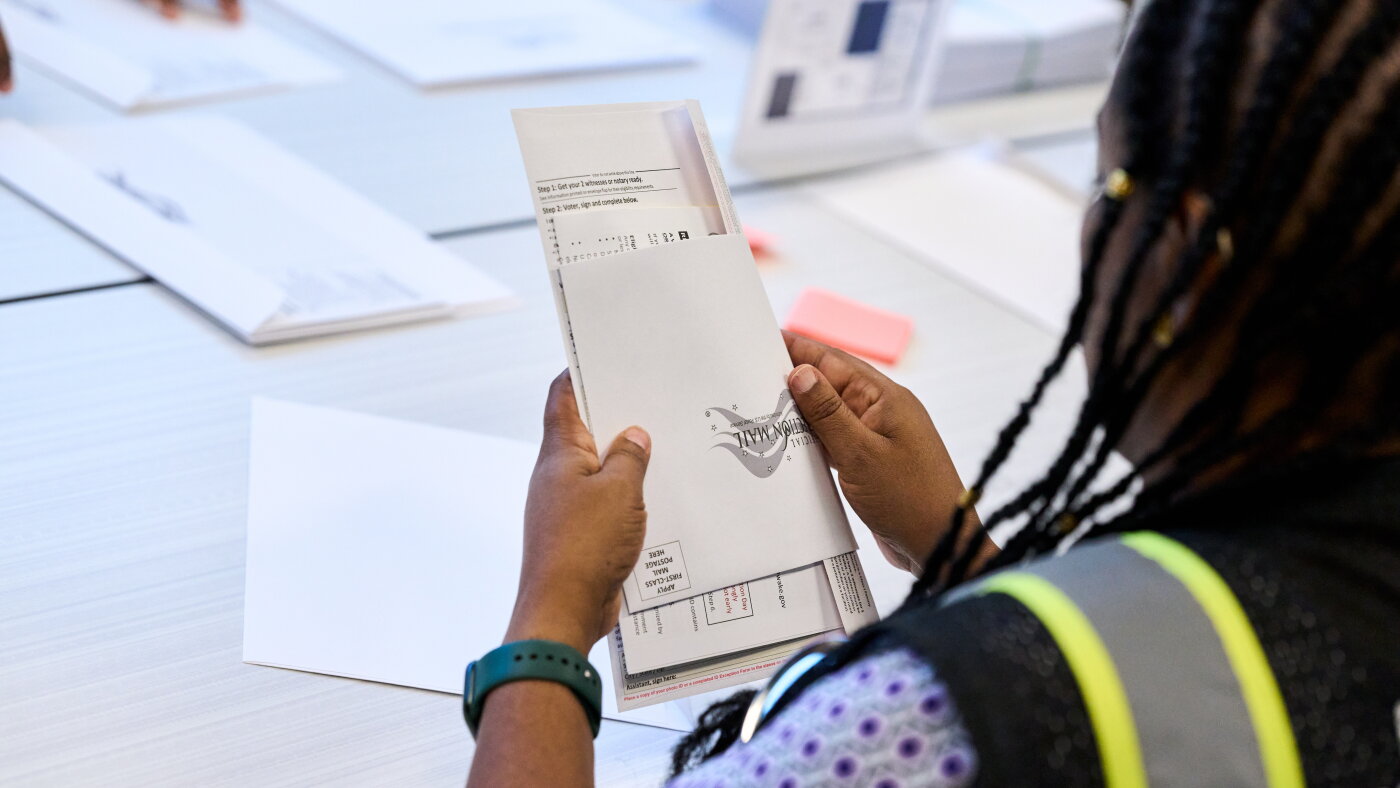
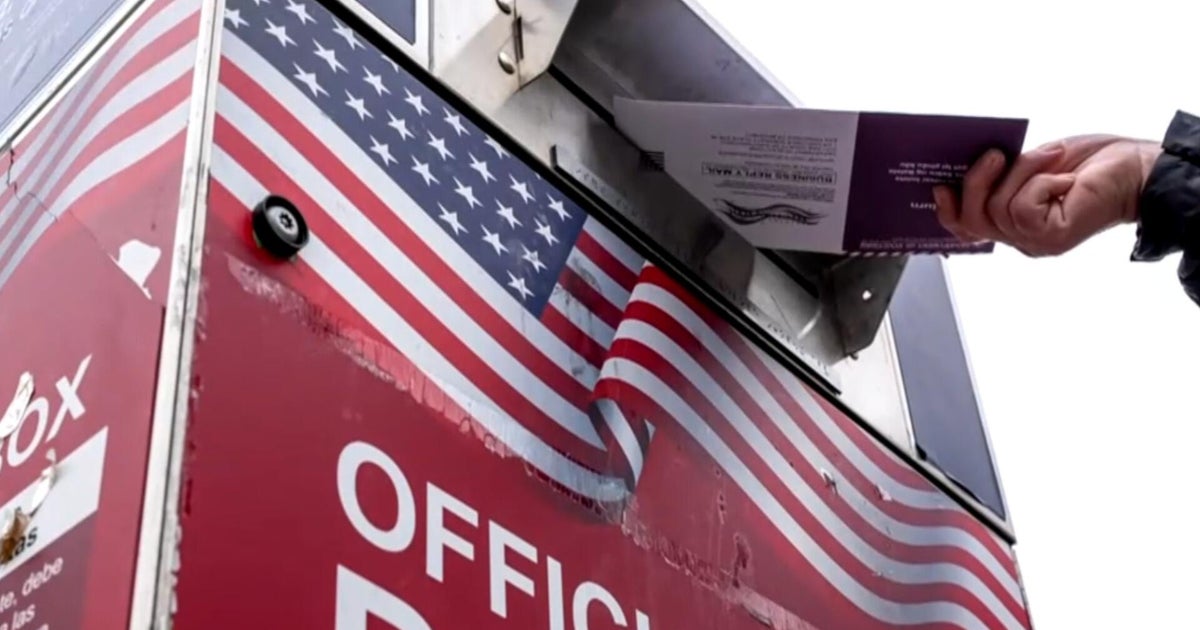
Voters who return mail-in ballots close to Election Day now face an added risk: a late postmark that gets their vote thrown out. The danger comes from Postal Service changes that began last year, and it has pushed some election officials to tell voters to skip the mailbox and return ballots at a local election office or a drop box instead, NPR reported.
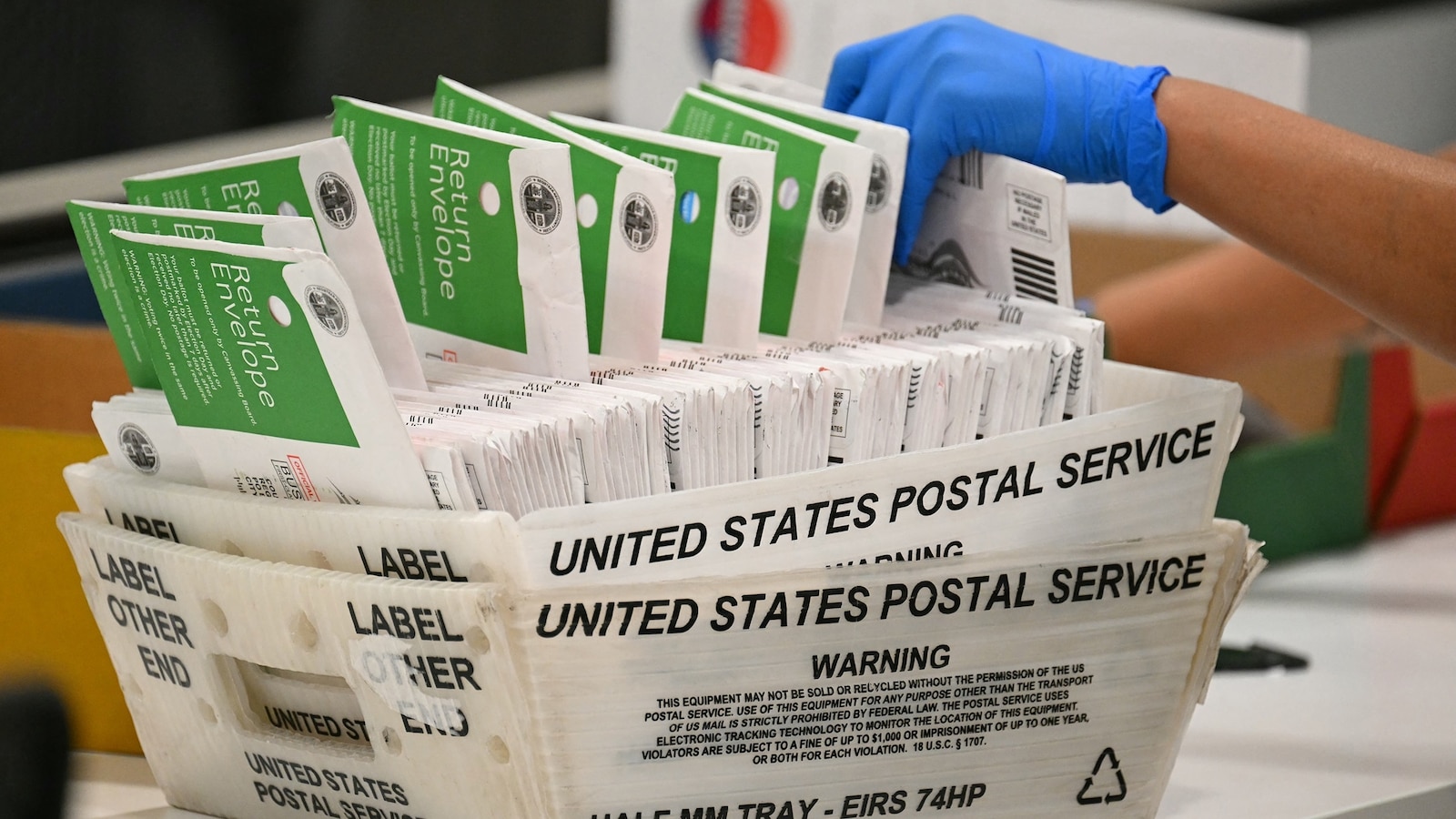
Election officials often use the postmark date USPS stamps on an envelope to decide whether a ballot was sent by Election Day. Since April 2025, USPS has been cutting daily mail pickups and changing processing at certain post offices, especially in rural areas, under what it calls its Regional Transportation Optimization effort, part of a 10-year reorganization plan begun in 2021 to stabilize the agency's finances. As a result, an envelope may not be stamped the same day a carrier collects it or someone drops it in a blue box.
The stakes are high. Elena Patel, a senior fellow in economic studies at the Brookings Institution and a former economist at the Postal Regulatory Commission, estimates in a new analysis that an additional 43,000 to 55,000 ballots nationwide could be rejected for arriving late because of the changes. She produced the figures before USPS announced its final plan for the election. The concern comes as trust in the Postal Service has fallen and after President Trump pushed to restrict voting by mail for the midterms but was blocked by the Supreme Court.
USPS says it will take "extraordinary measures" for the general election. Starting Oct. 24, 10 days before Election Day, some post offices may extend their hours by a half hour and set up lines or drive-through lanes for voters who want a manual postmark. Starting Oct. 26, post offices affected by the optimization effort are to separate returned ballots from other mail so managers can add postmarks by hand the day the ballots are collected, and the agency plans to speed up delivery. That procedure was not in place for this year's primaries, which saw higher ballot rejection rates in multiple states.
The window is shorter than in past cycles. USPS began its extraordinary measures 15 days before Election Day in 2024 and 2022. Asked why not this time, the agency said the period "is carefully considered in advance of each General Election" and is based on internal factors, adding it is "confident that we will do so again this year." It still recommends that voters mail ballots at least a week before their state's deadline, and in states that accept late-arriving ballots it suggests asking for a manual postmark at a post office counter.
Patel said she is encouraged by the planned steps but that the situation remains risky, since it is unclear how post offices will carry out the directives for the first time, especially where staffing is stretched. The problem is acute in remote areas. Michelle Sparck, director of Get Out the Native Vote in Alaska, said many absentee voters in Alaska Native villages have had ballots rejected, and "the No. 1 reason for that was postmarking delays." Though no Alaska post offices are affected by the optimization effort, she said, weather and limited hours make mail unreliable.
Sparck urges voters to make a plan to vote in October rather than wait for November 3, and to hand ballots to people at early-voting sites so they enter the chain of custody.