FBI Counterintelligence Squads Are Down to 50-60% Staffing as Focus Shifts to Immigration
Five people familiar with the matter tell NPR that field offices have pulled agents and analysts off spy-catching work to chase violent crime and illegal immigration, while the war with Iran and Chinese espionage press on.
The FBI's counterintelligence squads, the specialized units that track and root out foreign spies, have been hit by deep cuts across the country even as the United States faces a growing set of adversaries trying to steal its secrets, according to five people familiar with the matter who spoke to NPR. In many of the bureau's 56 field offices, the squads have only 50% to 60% of their positions filled, and in several offices the number of such squads has been cut in half.
The shortfall comes while the U.S. is in a war with Iran and while China, which American officials describe as running a relentless campaign to steal government secrets and cutting-edge research, remains a top strategic rival. Russia's intelligence services also remain capable and aggressive. "It's terrifying, honestly," one of the people told NPR. "Threats are growing and we're facing it with less and less. Not a recipe for success." All five spoke on condition of anonymity, citing the sensitivity of the subject and fear of retribution.
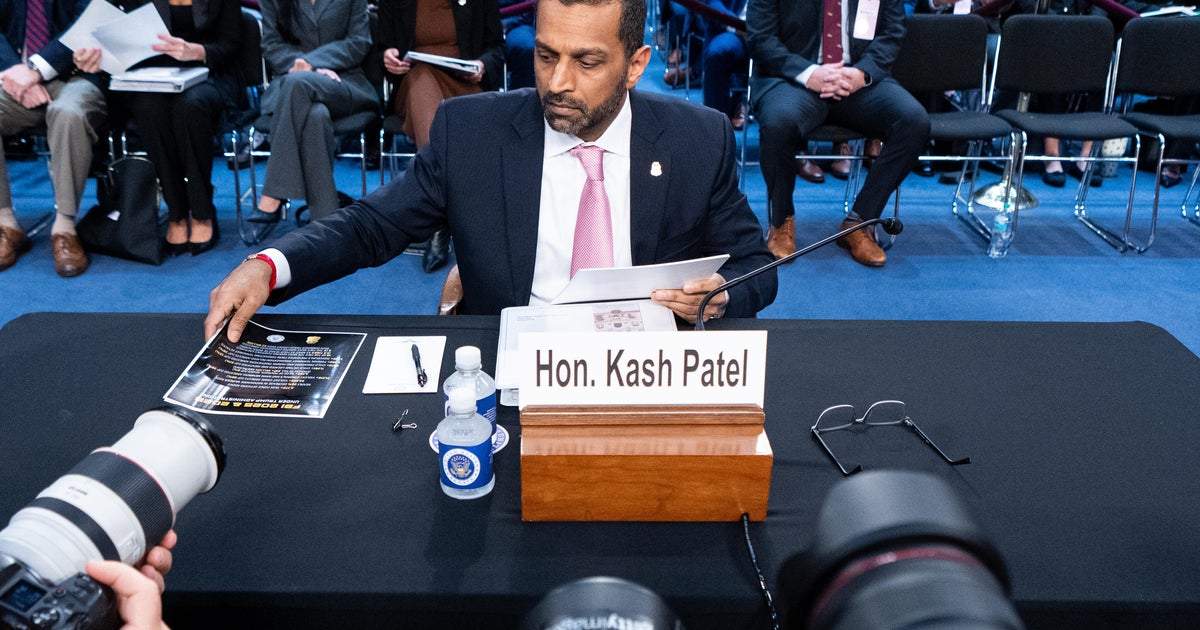
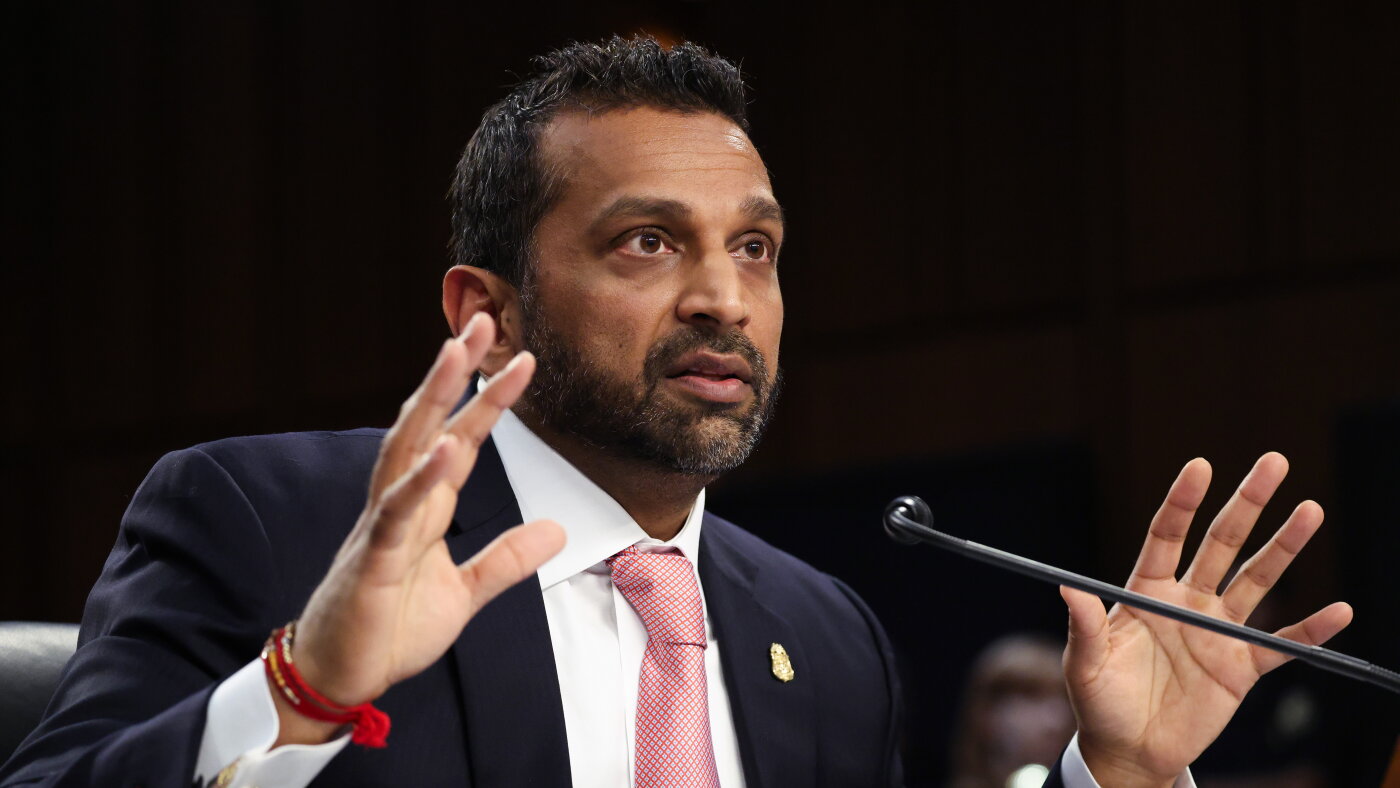
The sources said the cuts did not come from a directive by FBI Director Kash Patel to shrink counterintelligence or close squads. They are instead a consequence of leadership's focus on violent crime, gangs and illegal immigration, which are top issues for President Trump. Field offices have moved agents and analysts off counterintelligence and onto those priorities, and special agents in charge are not backfilling the empty slots, instead assigning new hires to crime and immigration work.
Patel's push to move analysts out of headquarters in Washington and into the field has also played a role. Some former bureau officials say that effort has merit, but when counterintelligence analysts were reassigned to field offices, many were steered away from counterespionage work. Losing them has made it harder to open new investigations, the sources said, and harder to make sense of evidence once a case is open. An exodus of experienced agents and analysts over the past 18 months has compounded the problem.
The FBI disputed the account. "This is false—the FBI maintains a robust counterintelligence operation across the enterprise," a spokesperson said, adding that the bureau has expanded its counterintelligence task forces to more than 1,500 personnel, including from partner agencies and state and local law enforcement. The spokesperson called anonymous critics "disconnected from reality" and pointed to security at recent major events, including the America 250 celebrations and the FIFA World Cup. Patel has told Congress the FBI under his leadership has arrested more spies from Russia, China, Iran and North Korea "than any FBI in history." NPR could not independently verify that claim.
Experts say arrests are not the right yardstick. "I want to know things like how many people were kicked out of the country because of an investigation, or how many networks were completely exposed and halted," said Emily Harding, a former CIA analyst and former deputy director of the Senate Intelligence Committee under Republicans. "Sometimes the win is being able to trace a network all the way back to its source."
The danger of falling behind is that failure is quiet. If the FBI misses a terrorist plot, something is likely to explode, Harding noted. If it misses a counterintelligence threat, the theft of secrets or technology simply continues. The division's work ranges from watching spies at embassies and consulates to investigating university researchers and private-sector workers suspected of stealing technology, and from catching U.S. officials who sell secrets to preventing foreign governments from intimidating or assassinating dissidents on American soil. In 2022, then-Director Christopher Wray said the bureau had more than 2,000 investigations into Chinese efforts to steal U.S. technology and opened a new China-related case roughly every 12 hours.