The FBI Quietly Stopped Automatically Rejecting Applicants Who Paid for Sex or Stole From an Employer
The bureau changed its background-check standards in June without announcement. It lost 1,139 special agents in 2025, and Director Kash Patel has said the old rules were costing him qualified recruits.
The FBI quietly revised its background-check standards in June, dropping several categories of past conduct that had previously ended an applicant's candidacy on the spot and moving them into a discretionary review instead.
Under the revised criteria, an applicant who paid for sex is no longer automatically disqualified if it happened fewer than three times and more than ten years ago. The bureau's stated reasoning is jurisdictional: prostitution is legal in parts of the United States and in a number of other countries, and a blanket lifetime bar swept in conduct that was not a crime where it occurred. Theft from a former employer, also previously an automatic bar, no longer disqualifies a candidate if it happened more than three years earlier. A third change allows consideration of applicants involved in animal cruelty offenses if the conduct occurred before the age of 18.
An FBI spokesperson defended the revision as a matter of triage rather than permissiveness. "Any polygraph changes reflect a clear difference between a disqualified applicant who has engaged in criminal behavior, versus an applicant who may be subject to further evaluation based on rare exigent circumstances," the spokesperson said, adding that the bureau maintains "some of the highest suitability standards for its applicants and employees in the U.S. government."
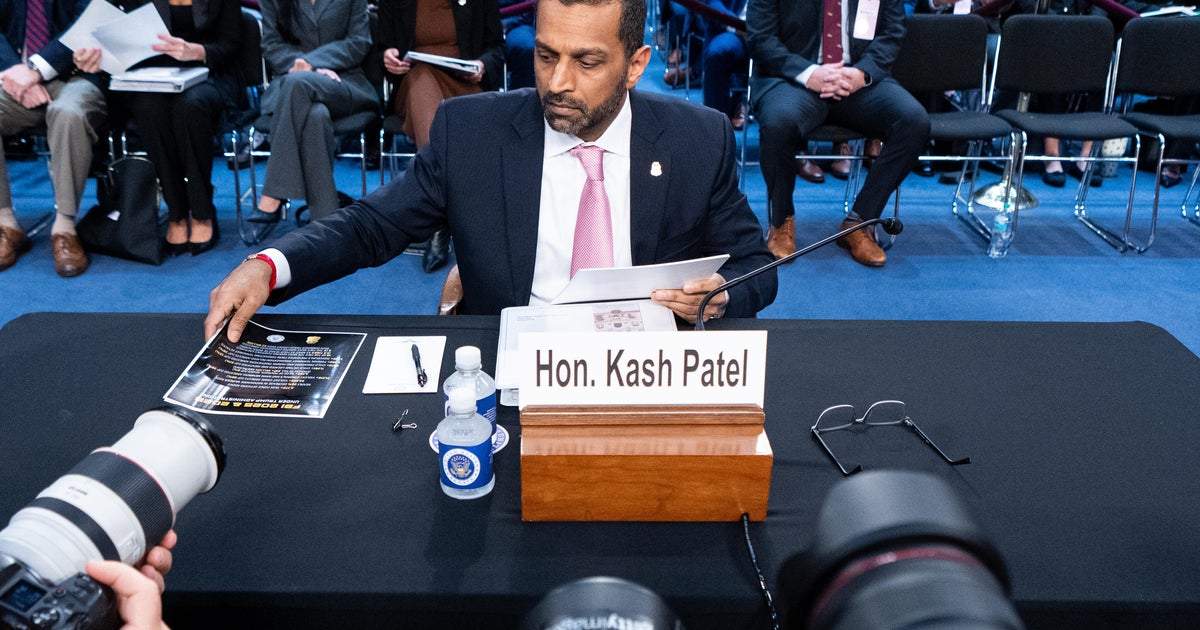
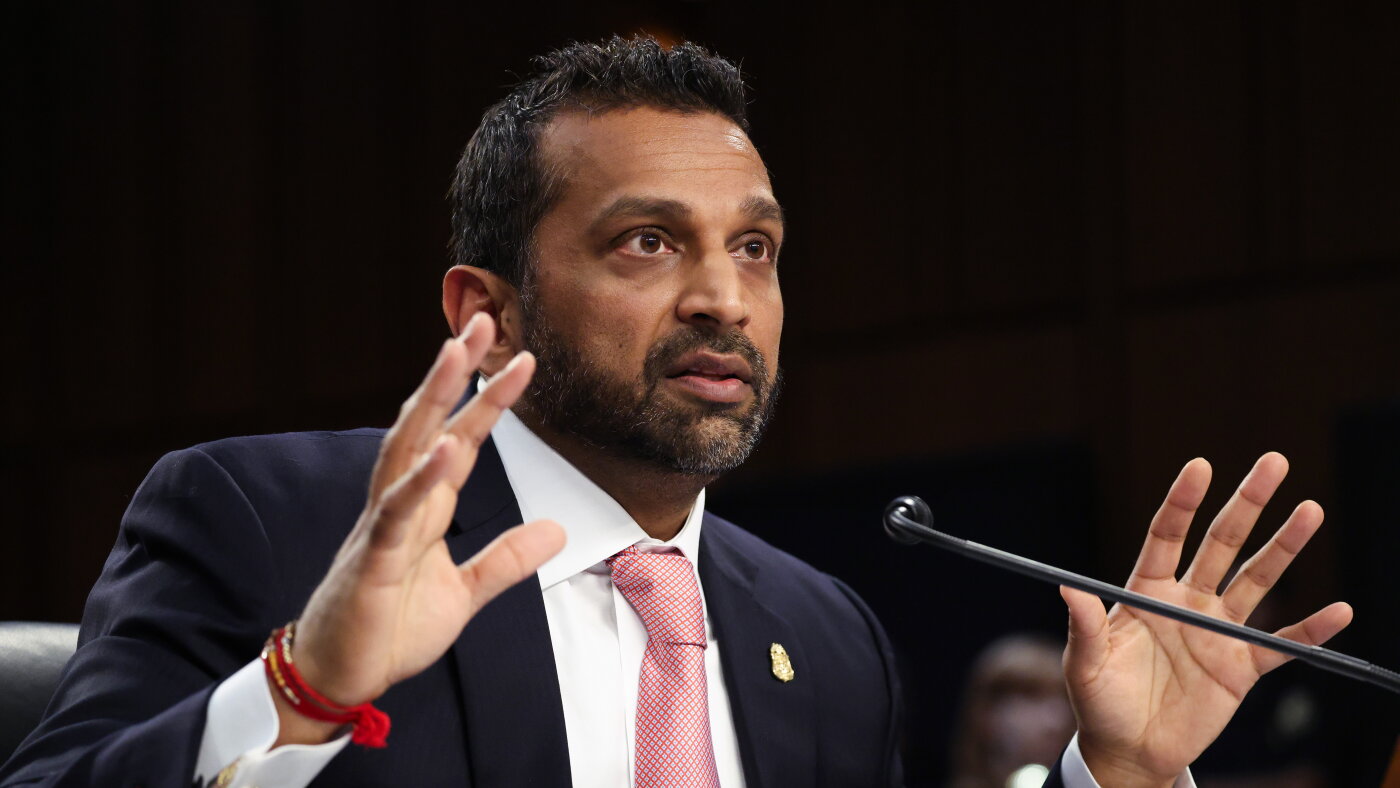
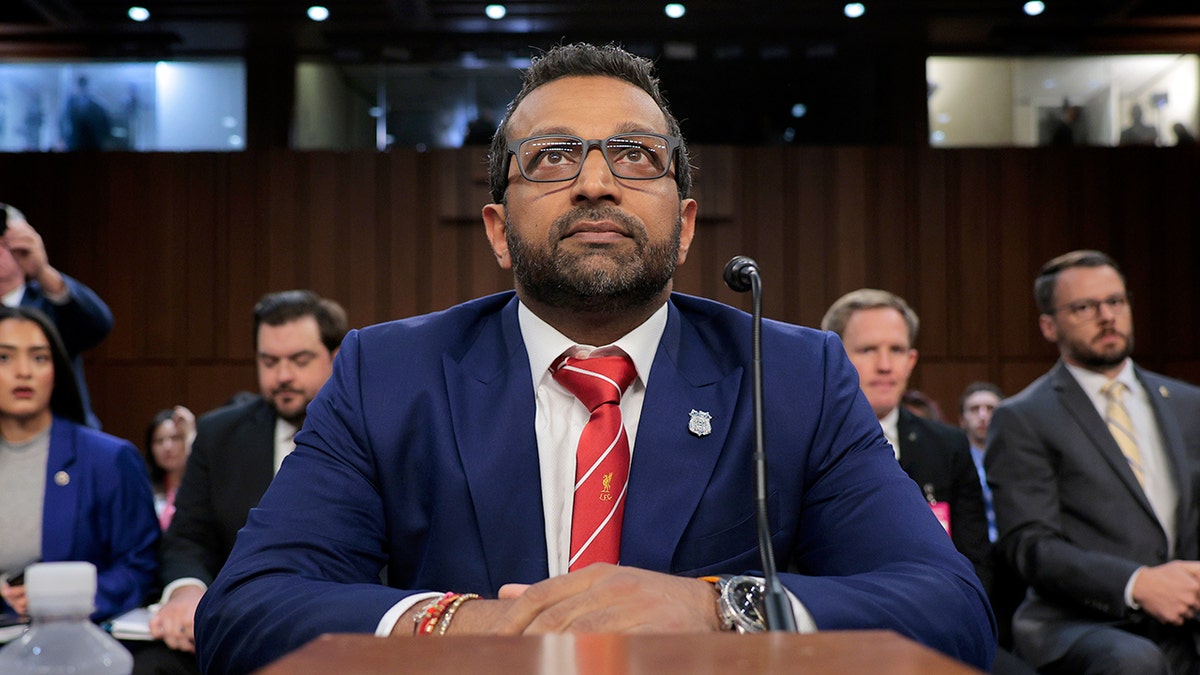
The context is a staffing problem the bureau has not managed to solve. The FBI lost 1,139 special agents during 2025, a departure rate well above its historical norm, driven by a combination of retirements, resignations and terminations following the leadership change at the top of the bureau. Director Kash Patel has argued publicly for updating what he has called older hiring standards, saying the FBI is "losing too many qualified candidates" to rules written for a different labor market.
Former agents are not uniformly persuaded. James Davidson, a former FBI agent, singled out the animal cruelty provision as the one he could not follow. "Bestiality is clearly a potential indication of a more serious emotional issue," Davidson said, "and even in a circumstance where it is not, the pool of candidates should be extensive enough that the criteria should certainly not be eliminated." His argument is about supply: if the applicant pool is genuinely deep, an agency that investigates public corruption and violent crime has no reason to accept marginal candidates.
None of the changes make any of the conduct automatically acceptable. Each moves an applicant from a hard no into a case-by-case adjudication, where investigators weigh the incident against the rest of the file. In practice, that shifts the decision from a written rule to a human judgment, and it means a class of applicants who would not have made it past the first screen a year ago now reach a hiring panel.
The bureau did not announce the revisions when it made them in June, and they surfaced through internal records rather than a public posting.