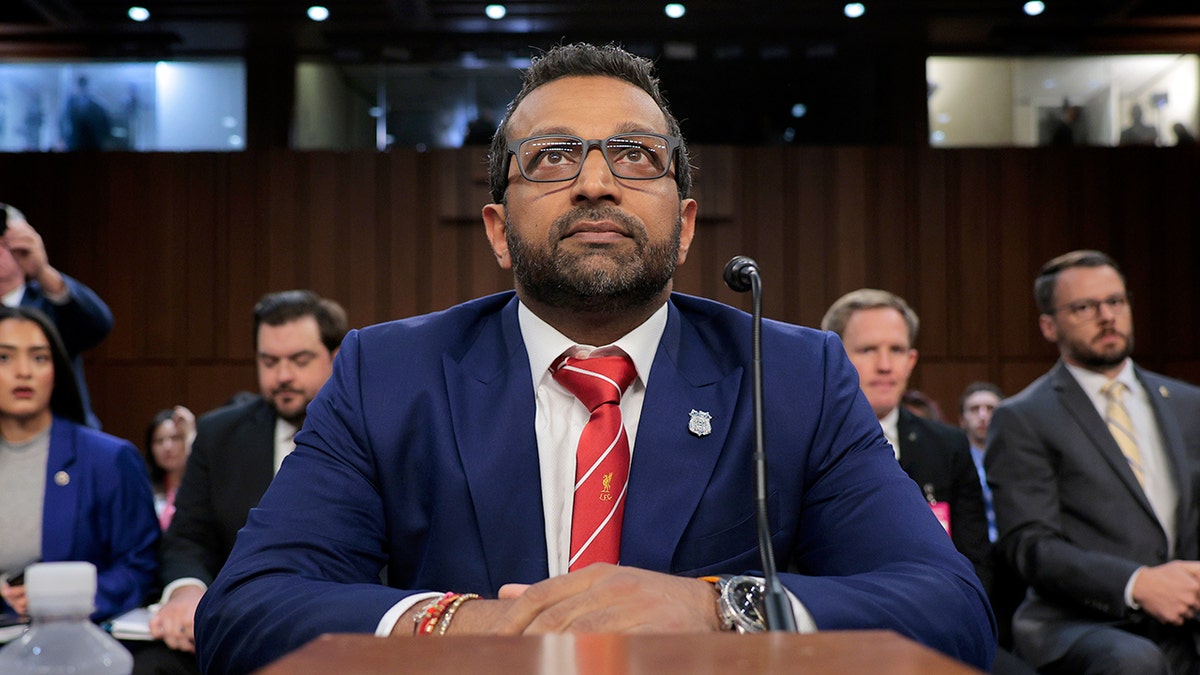
FBI Director Kash Patel Sues The Atlantic for $250 Million Over Drinking Allegations
The lawsuit challenges a magazine report alleging excessive drinking and frequent absences from bureau duties during his tenure as director.
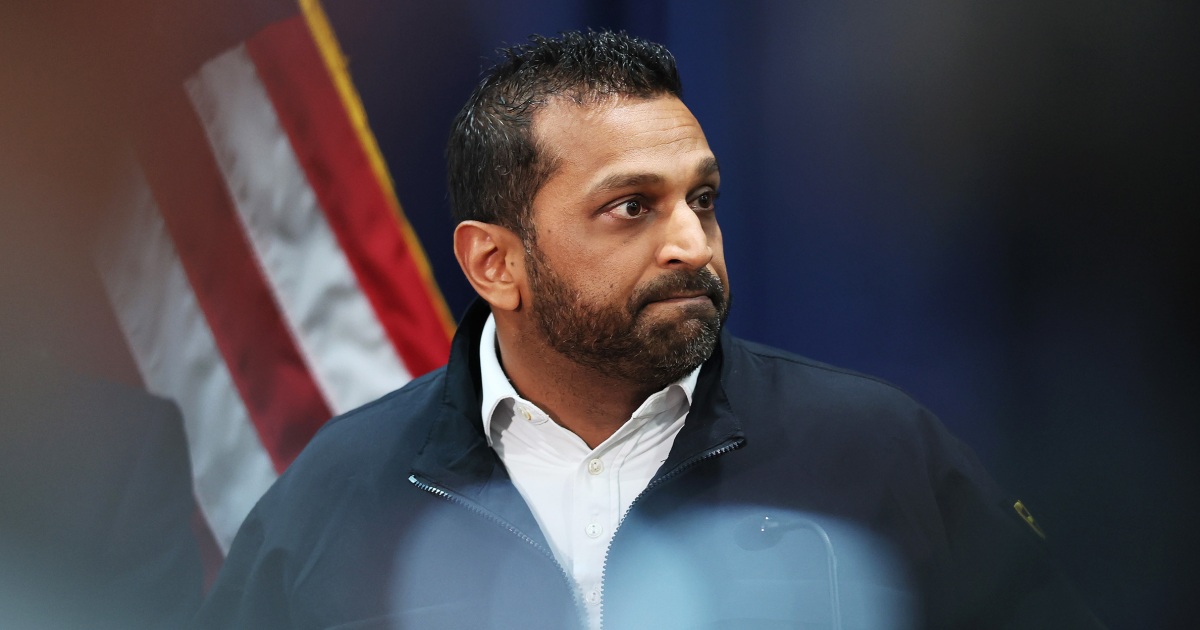
FBI Director Kash Patel has filed a $250 million defamation lawsuit against The Atlantic magazine, challenging a recent article that alleged excessive drinking and frequent absences from his duties leading the federal law enforcement agency. The lawsuit marks an unprecedented legal battle between a sitting FBI director and a major news publication, raising questions about press freedom and accountability in federal law enforcement leadership. Patel's legal action comes amid broader scrutiny of his leadership style and management of the bureau since taking the helm.
The contested Atlantic article reportedly detailed allegations from current and former FBI employees regarding Patel's behavior and attendance patterns during his tenure as director. The magazine's report allegedly included claims about alcohol-related incidents and extended periods when Patel was unavailable for critical bureau operations. These allegations have particular significance given the FBI director's responsibility for overseeing national security investigations and maintaining the bureau's operational readiness around the clock.
Patel, who was appointed by President Trump, has faced criticism from some quarters since assuming leadership of the FBI, with Republicans having previously accused him of political bias. However, this latest controversy focuses specifically on professional conduct and management capabilities rather than political considerations. The $250 million damage claim reflects the severity with which Patel views the allegations and suggests he believes the article has significantly harmed his professional reputation and effectiveness as FBI director.
The lawsuit represents a rare instance of a federal law enforcement leader taking legal action against news media over coverage of their professional conduct. Legal experts note that defamation cases involving public figures face high evidentiary standards, requiring proof of actual malice or reckless disregard for truth. The case will likely focus on the reliability of The Atlantic's sources and whether the magazine followed appropriate journalistic standards in reporting on allegations against a sitting FBI director.
The legal battle comes at a sensitive time for the FBI, which has faced various political pressures and public scrutiny in recent years. The outcome of this lawsuit could have implications for how news organizations cover federal law enforcement leadership and whether other officials might pursue similar legal remedies for coverage they consider defamatory. The case is expected to proceed through federal court, where both sides will need to present evidence supporting their respective positions regarding the accuracy and impact of the contested reporting.