Gas Prices Hit $4.23 Per Gallon as Iran War Stalemate Pushes Costs to 4-Year High
U.S. drivers face highest fuel costs since 2022 as ongoing Middle East conflict disrupts global oil markets ahead of summer travel season.
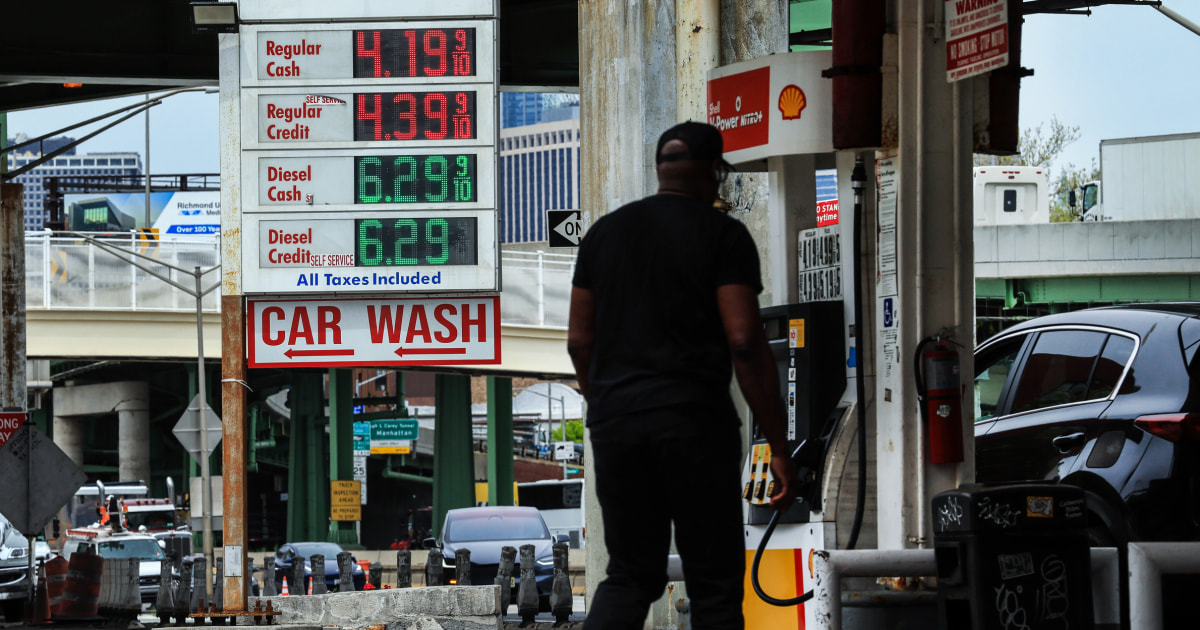
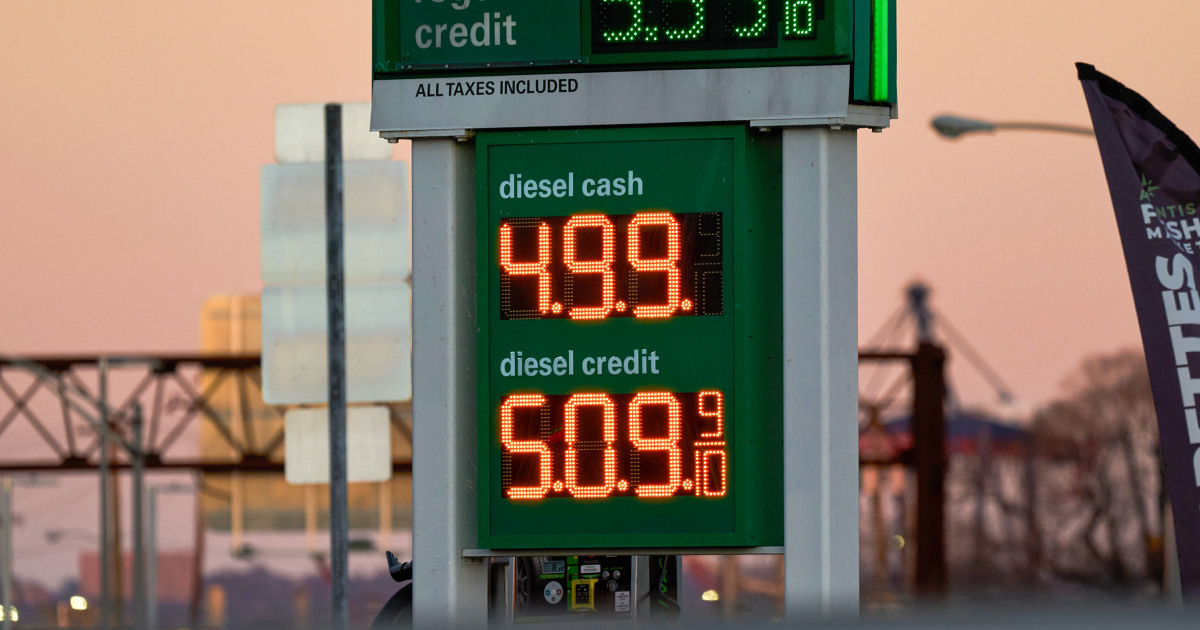
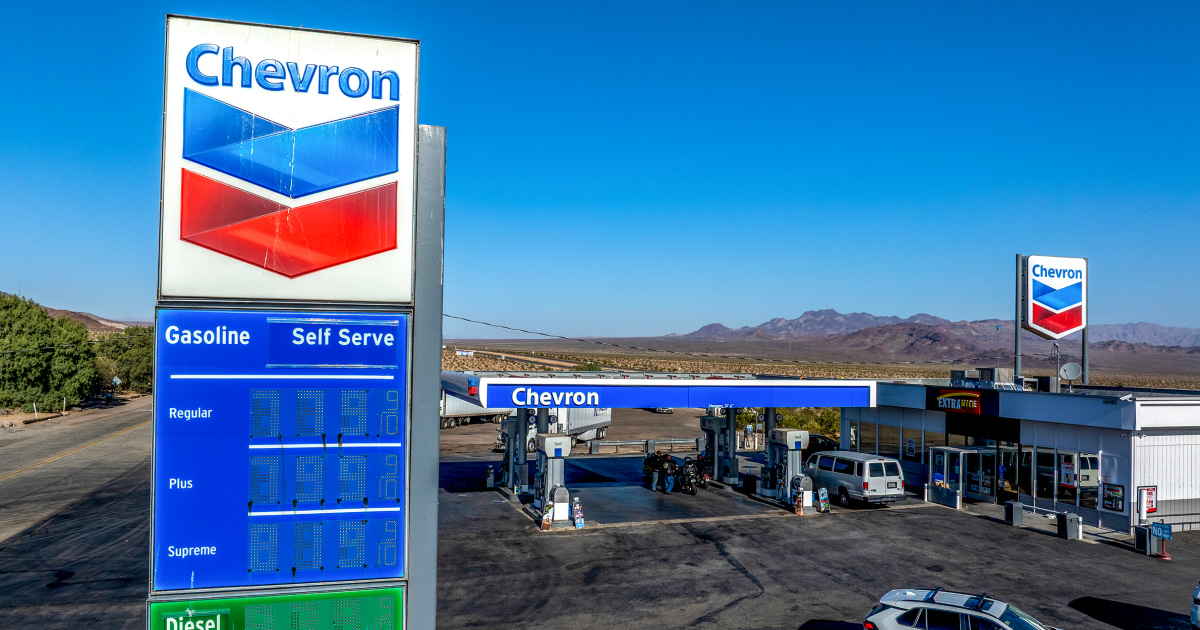
U.S. gas prices have surged to $4.23 per gallon, marking the highest level in nearly four years as the ongoing war between the United States and Iran continues to disrupt global oil markets and strain fuel supplies. According to data from the American Automobile Association (AAA), the current national average represents a new high since the start of the conflict with Iran, creating significant economic pressure on American consumers just as the summer driving season approaches. The timing of the price surge could not be worse for millions of Americans planning vacation travel over the coming months.
The sustained increase in fuel costs reflects the broader impact of the Iran conflict on global energy markets, as geopolitical tensions have disrupted oil production and shipping routes in the strategically important Middle East region. Energy analysts note that the stalemate nature of the conflict has created uncertainty about future supply levels, leading to increased volatility in crude oil prices that is being passed directly to consumers at the pump. The situation has been exacerbated by reduced refining capacity in some regions and increased demand as economic activity continues to recover.
Experts warn that the timing of the price surge presents particular challenges for the American economy, coming just weeks before Memorial Day weekend traditionally marks the beginning of heavy summer travel. "Gas prices surged to their highest levels in nearly four years as negotiations to end the war between the United States and Iran remain deadlocked," according to NBC's Christine Romans, who noted that "experts warn the timing couldn't be worse with the summer travel season just weeks away." The confluence of high prices and peak travel demand could significantly impact consumer spending patterns and family vacation plans.
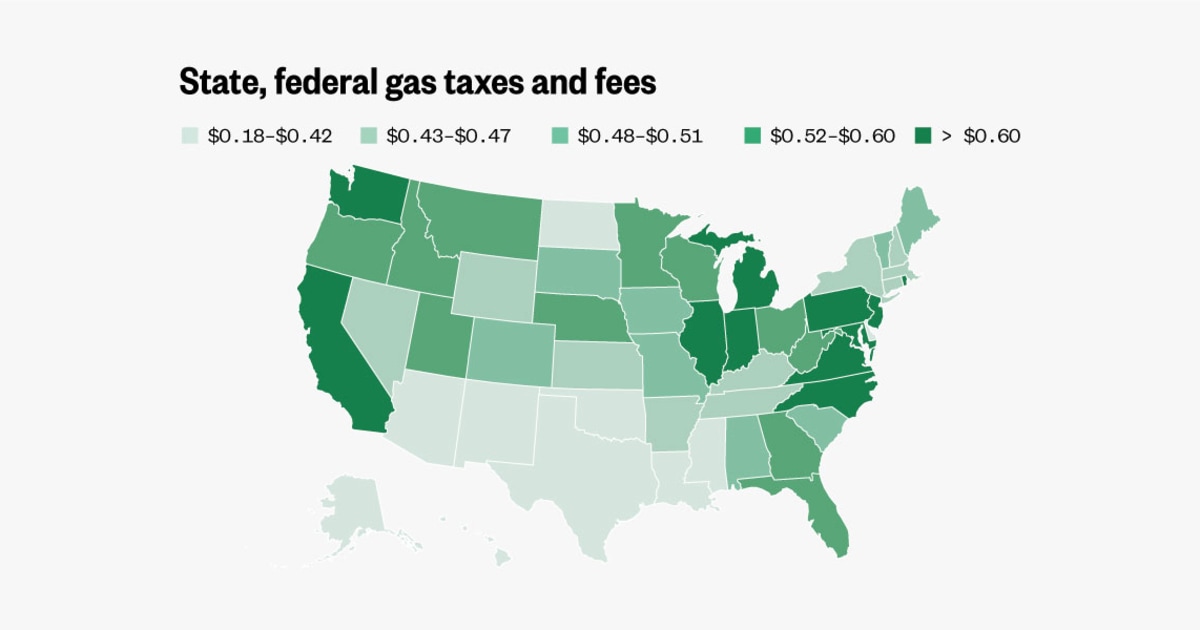
The price increases are affecting different regions of the country unevenly, with some states experiencing even higher costs than the national average. Western states, which typically face higher fuel costs due to stricter environmental regulations and transportation logistics, are seeing prices approach or exceed $5 per gallon in some areas. The regional variation in pricing reflects differences in local taxes, refining capacity, and proximity to major oil distribution hubs, but all areas are experiencing upward pressure from the underlying global supply disruptions.
Economists are closely monitoring the fuel price surge for its potential impact on inflation and consumer spending, as higher gasoline costs effectively function as a tax on American households and businesses. The Federal Reserve has indicated it is watching energy prices as a key component of its inflation calculations, and sustained high fuel costs could complicate monetary policy decisions. For ordinary Americans, the price increases represent a significant household budget challenge, particularly for lower-income families who spend a larger percentage of their income on transportation and have fewer options to reduce their fuel consumption.