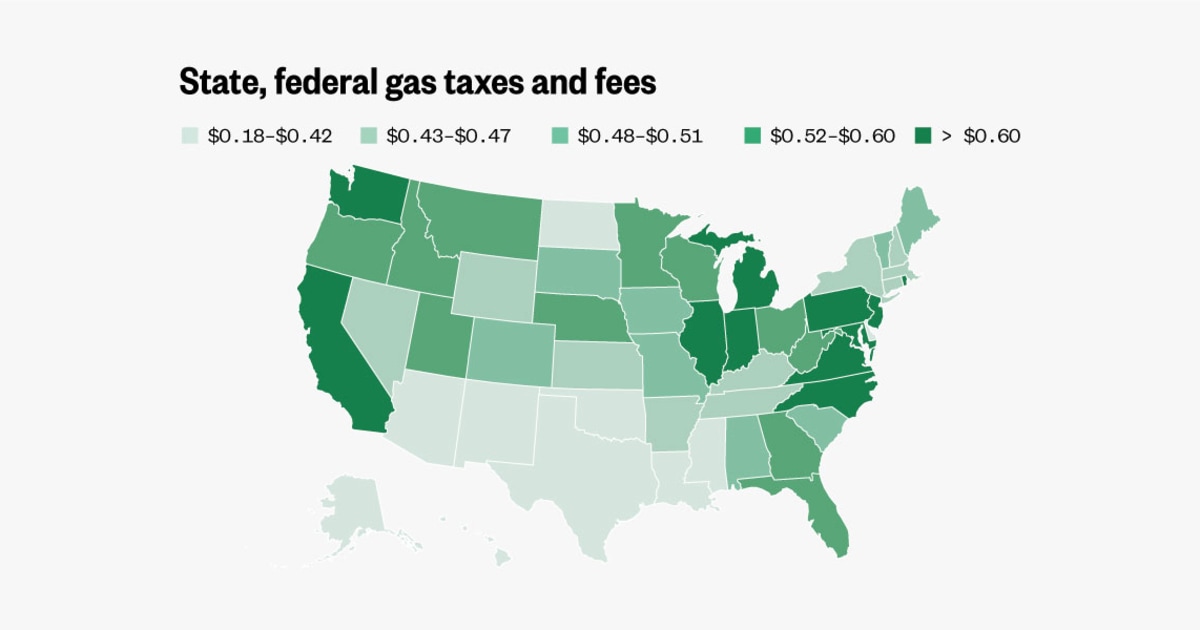
Gas Prices Jump to $4.46 Per Gallon as Strait of Hormuz Crisis Deepens
Oil futures surge after three-day decline while shipping companies avoid crucial Persian Gulf waterway, raising costs for American consumers.
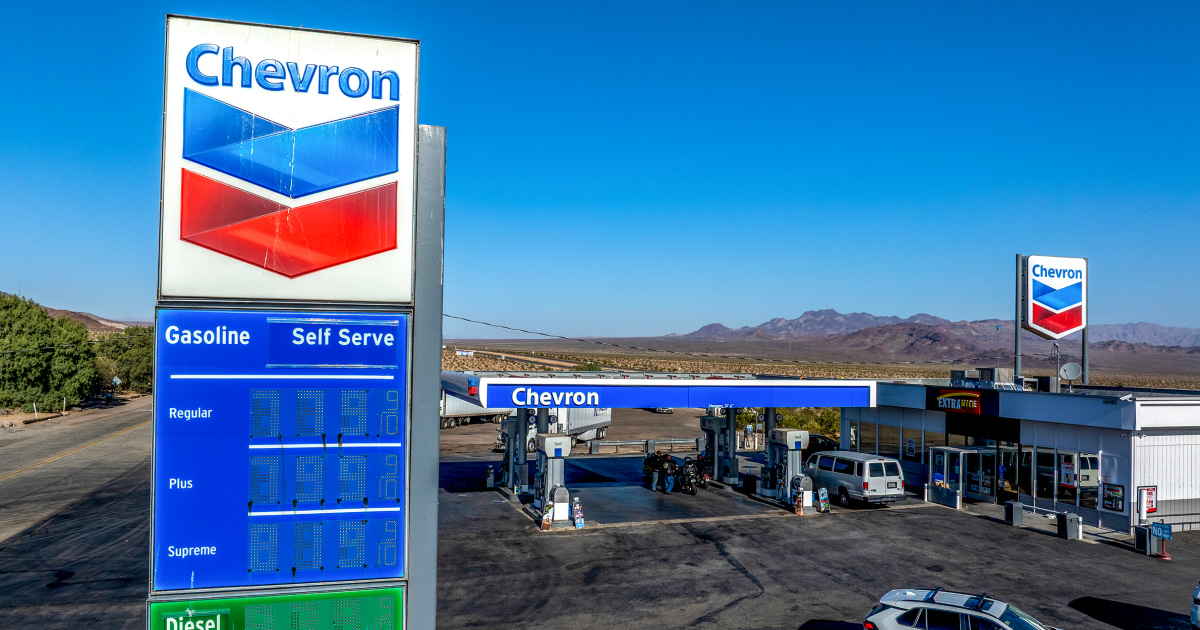
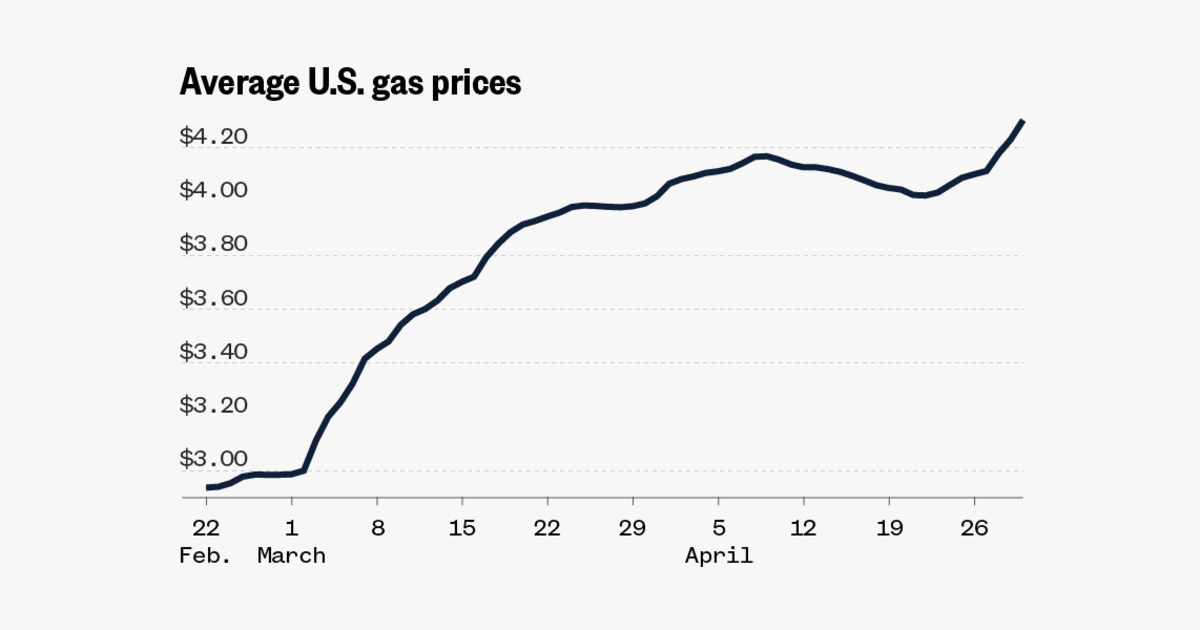
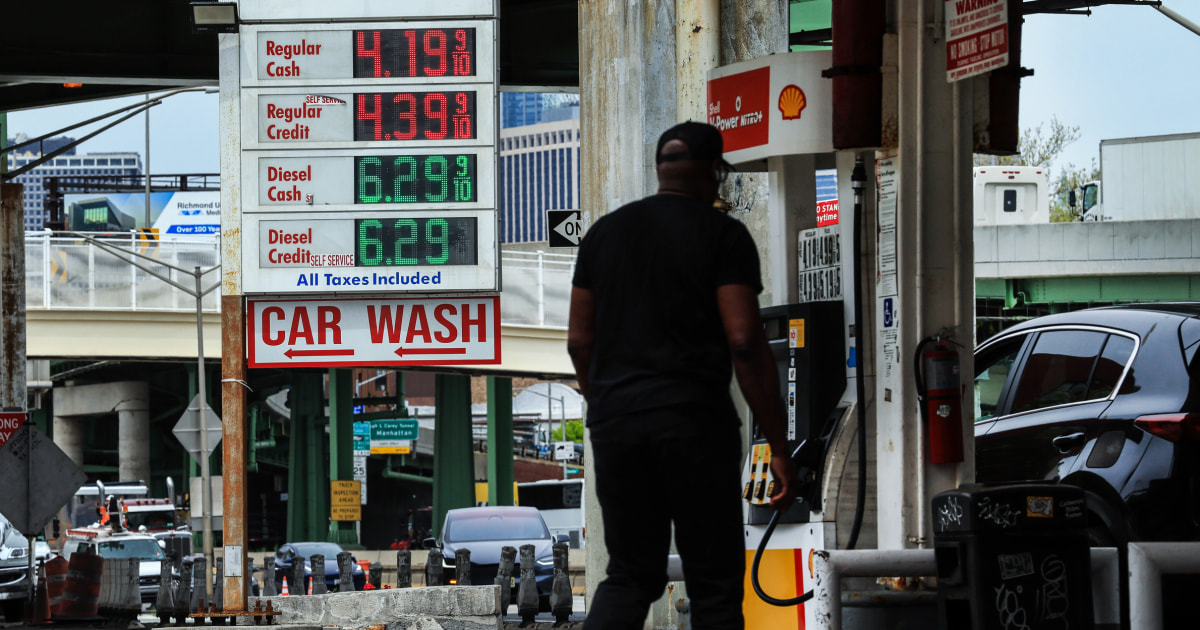
Gasoline prices reached $4.46 per gallon on Monday as oil futures jumped following three consecutive days of declines, marking a significant increase in the Iran war's direct impact on American consumers. The price surge comes as shipping companies continue to avoid the Strait of Hormuz despite U.S. government assurances, creating supply bottlenecks that are rapidly translating into higher costs at the pump across the United States.
The latest price increase represents a substantial jump from previous weeks, as the ongoing conflict in the Persian Gulf continues to disrupt global energy markets. Oil futures responded to renewed concerns about supply security, with traders betting that the shipping crisis will persist longer than initially anticipated. The strategic waterway handles roughly one-fifth of global petroleum shipments, making even temporary disruptions significant for worldwide energy prices.
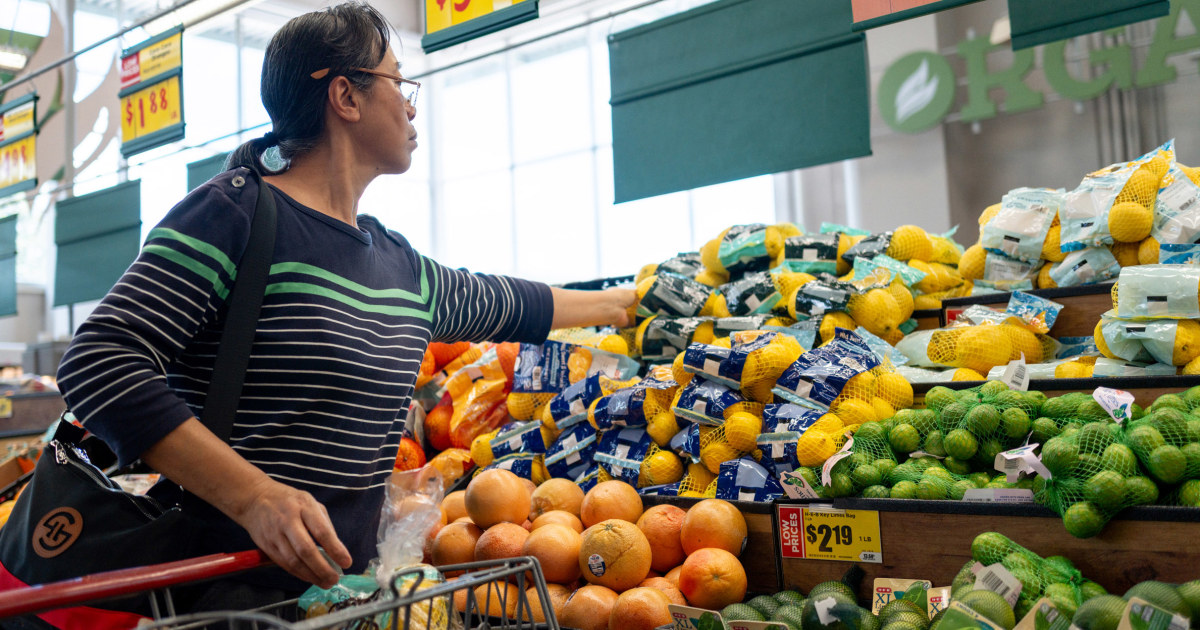
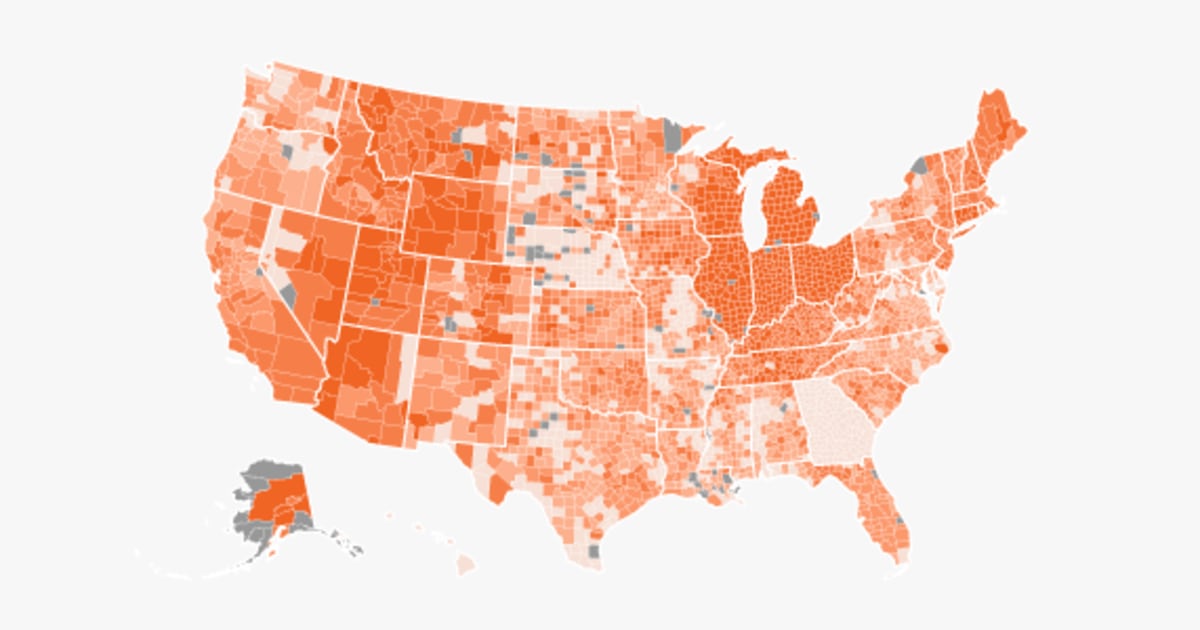
Economic analysts warn that sustained high gasoline prices could impact consumer spending patterns and overall economic growth, particularly affecting lower-income households that spend a larger percentage of their income on transportation costs. The price increases are already visible at gas stations nationwide, with some regions experiencing even steeper jumps depending on local supply conditions and proximity to refineries. Urban areas with limited alternative supply routes have seen particularly sharp increases.
The energy crisis has prompted emergency meetings among policymakers about potential interventions to stabilize markets and protect consumers from further price shocks. Some officials have discussed releasing oil from the Strategic Petroleum Reserve, while others advocate for diplomatic solutions to reopen shipping lanes. The administration faces pressure to balance immediate consumer relief with longer-term energy security considerations.
Industry experts project that gasoline prices could climb even higher if the Strait of Hormuz situation remains unresolved, with some forecasts suggesting prices could exceed $5 per gallon if supply disruptions persist through the summer driving season. The price increases are also affecting related sectors, including trucking and logistics companies that face higher operating costs. Airlines have begun adjusting fuel surcharges in response to the volatility, potentially affecting travel costs for consumers planning summer vacations.