Why Control of Congress May Not Be Clear Tonight, and Why That Isn't Fraud
Election experts say slow counts in California, Pennsylvania and Wisconsin are normal, and warn that early complaints from candidates are a sign they think they are losing.
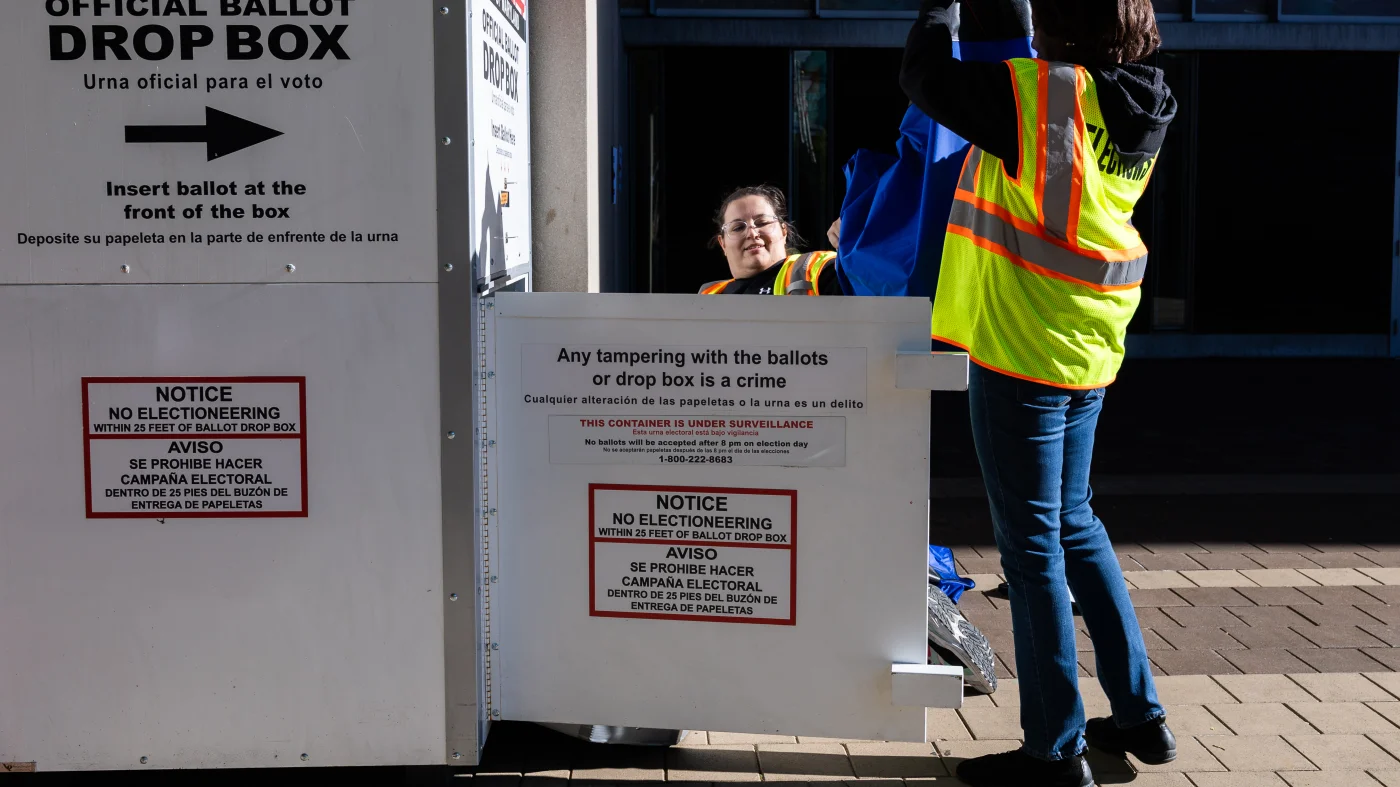
Control of the House and Senate may not be clear on election night, and some midterm races will take far longer to call than others. Election experts say that is normal, and not evidence of fraud, as some candidates may claim.
David Becker, executive director of the Center for Election Innovation & Research and a CBS News contributor, said he doubts Americans will even know on Tuesday night who controls either chamber. He expects the candidates who think they are doing poorly to spread lies and disinformation to fill the vacuum, and said he believes President Trump "will probably spread lies and disinformation about the election on election night because he did it in 2020." Asked last week whether he would accept the midterm results whatever the outcome, Mr. Trump answered, "I will if they're honest elections."
Lawrence Norden of the Brennan Center for Justice warned that misinformation "flourishes in that period of time between voting and getting the results," a window that stretches when races are close. "When it's super close, it's not going to matter how fast you are counting the ballots," he said. Becker added that public perception of counting speed is driven mostly by when news organizations project winners. Those projections rest on the vote already counted, the margin, and what remains outstanding. Bigger margins mean faster calls.
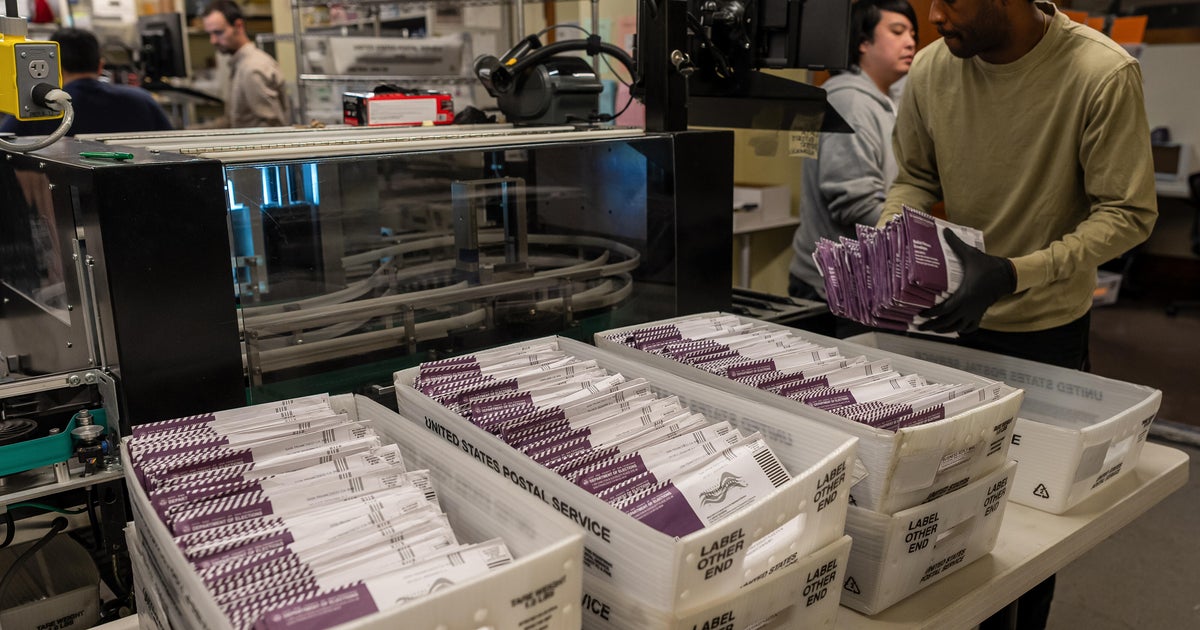
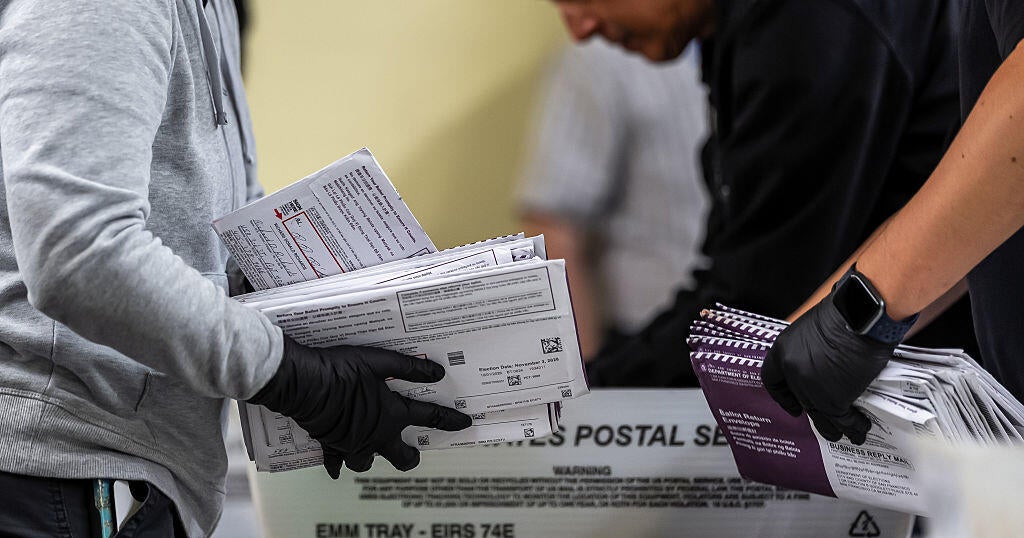
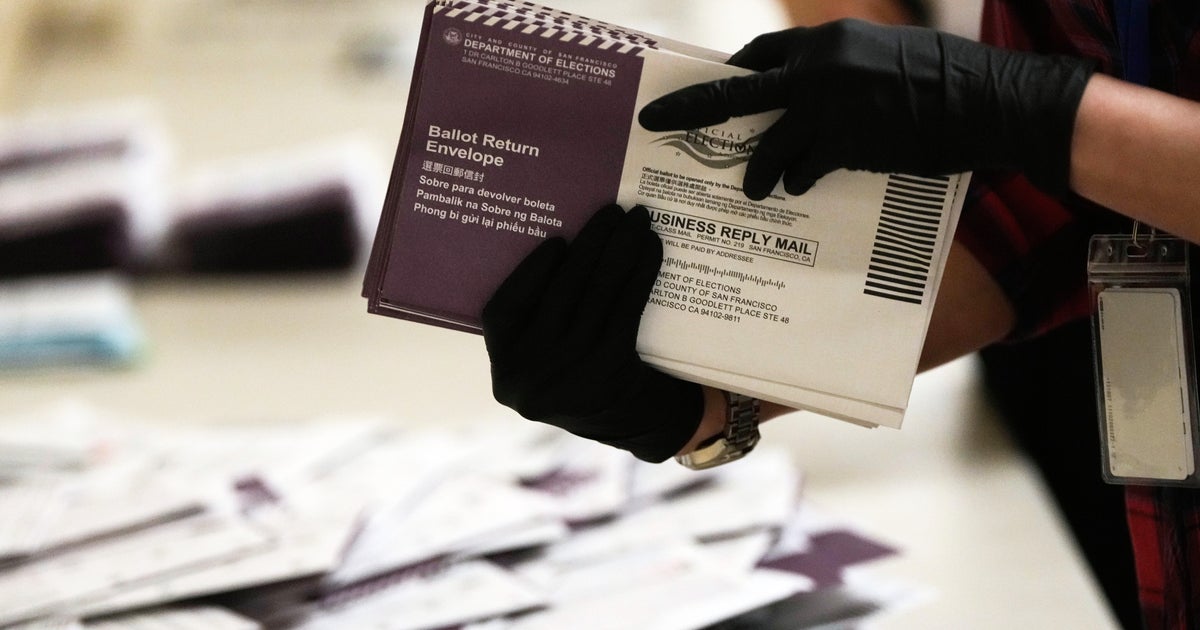
California shows the range. Some races are called at 8:01 p.m. Pacific because the outcome is obvious, said William Gates of Arizona State University. But the state's recent primaries for Los Angeles mayor and governor took several days to settle. Mail ballots can arrive up to a week after Election Day if postmarked by then, and they must go through signature verification before counting. California, Colorado, Hawaii, Nevada, Oregon, Vermont, Utah, Washington and the District of Columbia automatically send mail ballots to all active registered voters.
Pennsylvania and Wisconsin are slowed by state laws that bar officials from processing mail ballots until the morning of Election Day. Becker said that produces what is sometimes called a "red mirage," where early in-person results lean Republican and later batches of mail votes swing toward Democrats. He pointed to Pennsylvania in 2020, when mail ballots were not reported for days. The effect has moderated since 2020, he said, but still appears in places where mail ballots are reported late.
Gates, a former Maricopa County supervisor, recalled that Fox News called Arizona for Joe Biden on election night in 2020, while CBS News and other networks waited until Nov. 12. "Election officials have never completed counting on election night," he said. "It can't be done. Our ballots are way too complex." Every state takes weeks to certify.
Norden offered a way to think about shifting totals. "The votes are already in," he said. "They just all aren't counted at the same time." He compared it to watching a recording of a game that has already ended. Becker's advice for the night was blunt: "If you hear candidates complaining about the process, I don't know whether they won or lost, but I can tell you that they think they lost, because the winners do not complain about the process."