Nearly 21 Million Americans Have Voted Early in the Midterms, but Experts Urge Caution
MIT's Charles Stewart says the surge reflects heavy campaign spending and enthusiasm, not necessarily higher overall turnout, with Maine and Iowa showing unusual early activity.
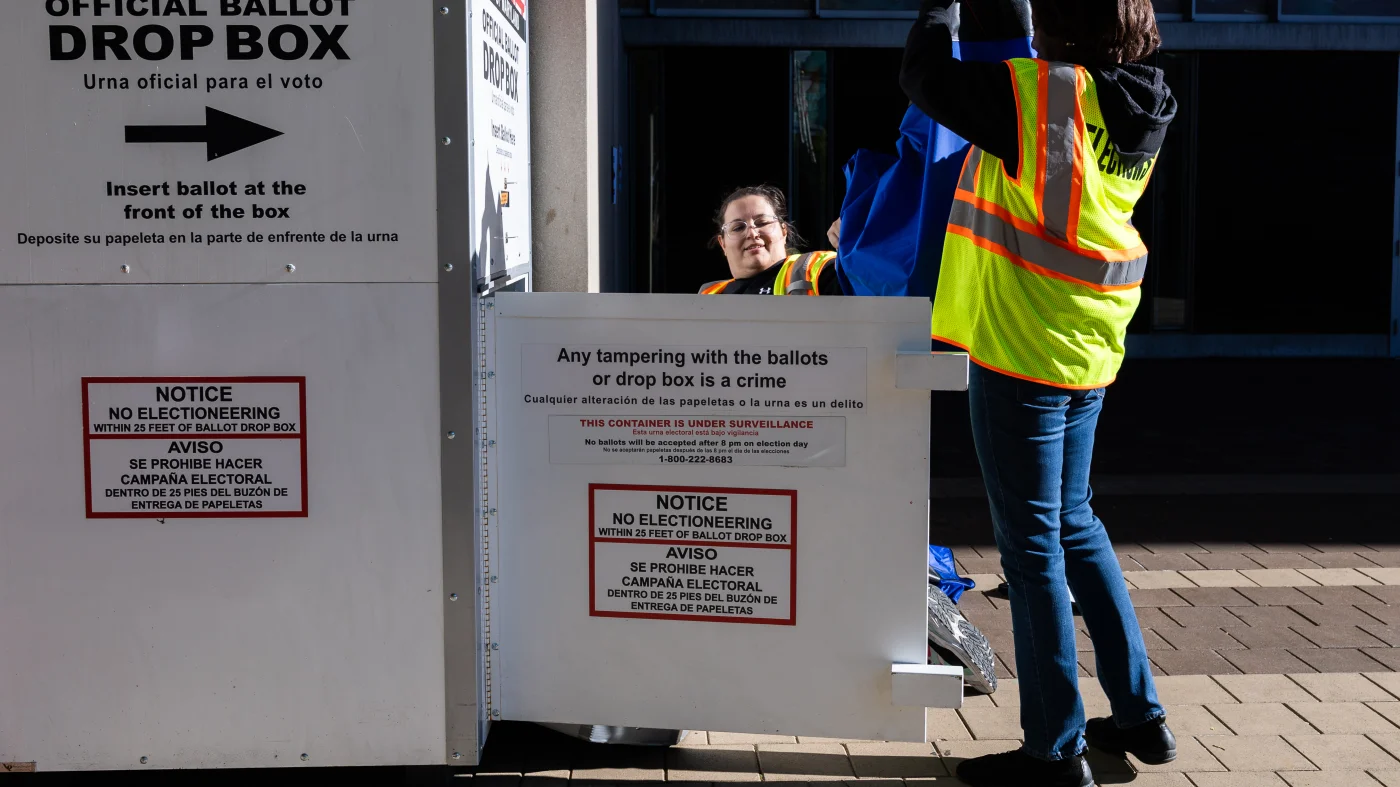
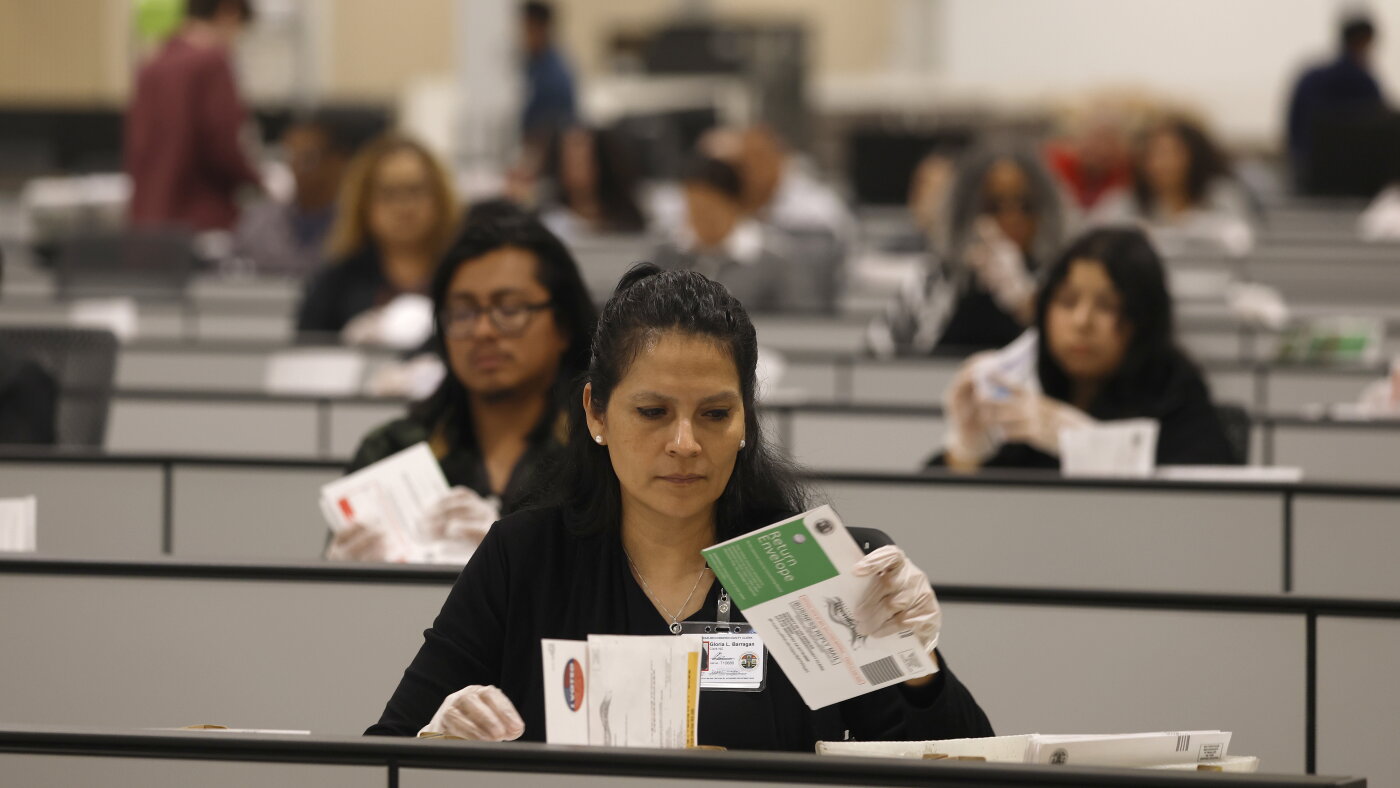
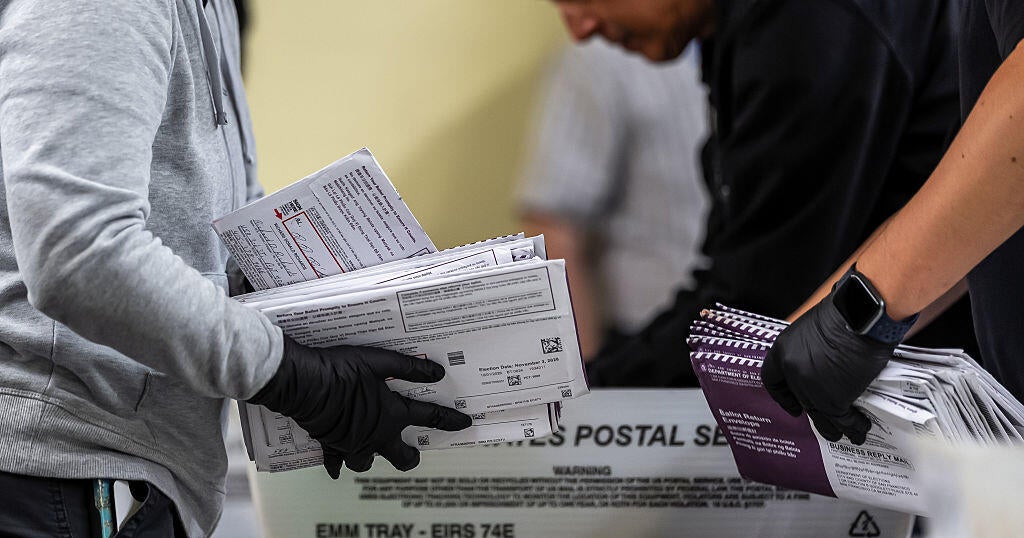
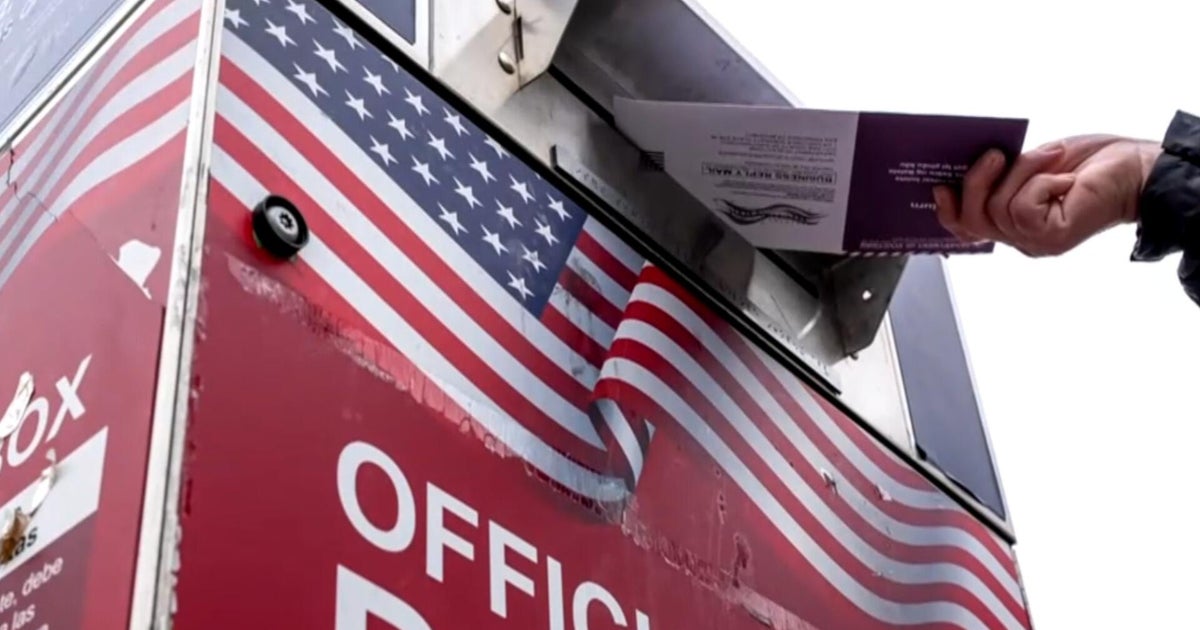
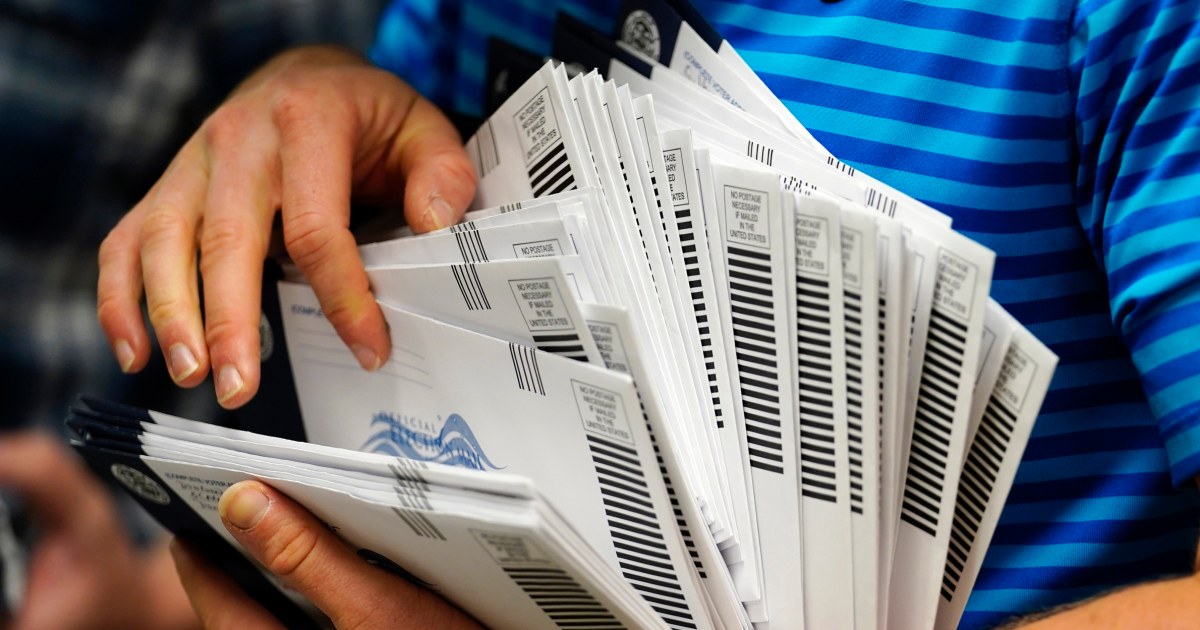
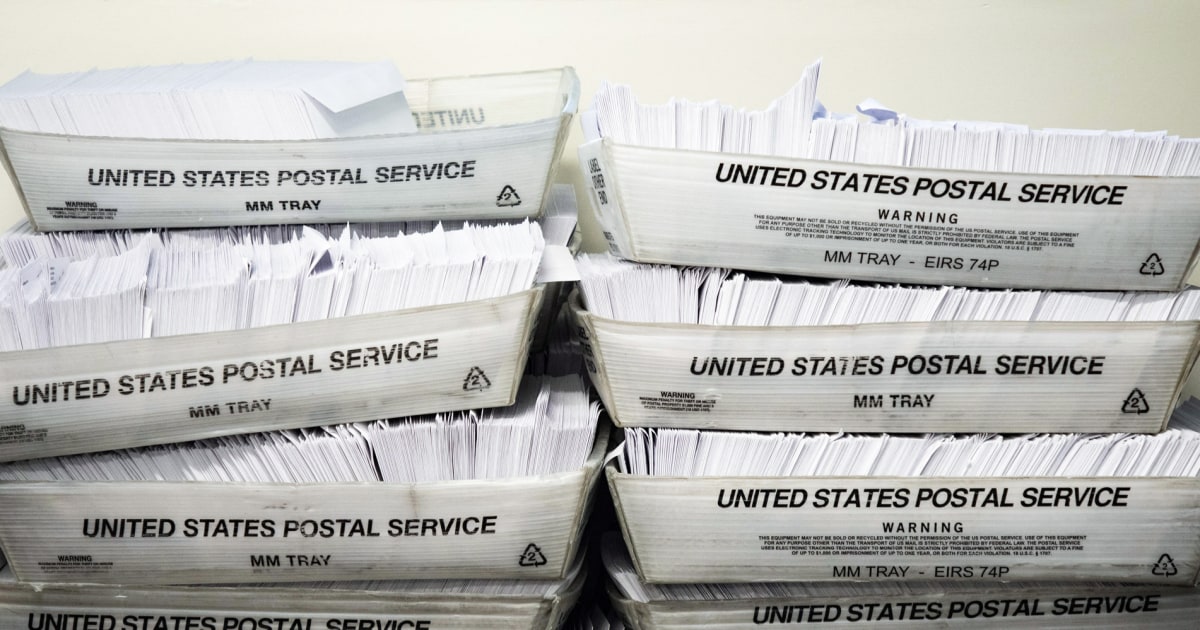
Nearly 21 million Americans had already cast ballots in the midterm elections as of Friday morning, according to the University of Florida's Election Lab, which tracks voting by mail and in person. The pace has fueled talk of a turnout wave, but the political scientists who study the numbers say the headline figure can mislead.
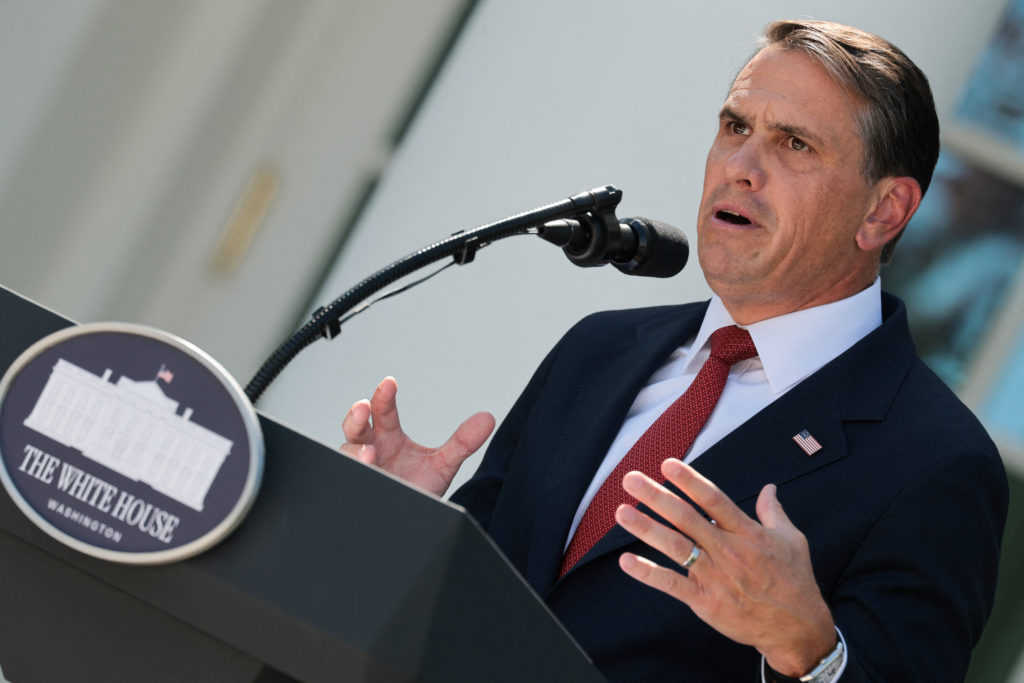
A surge in ballots cast before Election Day does not necessarily mean more Americans will vote overall, because many people voting early would have voted on Election Day anyway. That caution comes from Charles Stewart, a political science professor at MIT and founding director of the MIT Election Data and Science Lab, who discussed the early numbers on NPR's Morning Edition.
Stewart said the increase reflects two things: genuine voter enthusiasm and the sheer amount of money campaigns are spending to push supporters to vote early. "It also kind of reflects the large amount of money that's in this campaign that's going into retail politics, going door to door, and just making sure that supporters are energized," he said. The 2026 midterms are already the costliest ever, with advertising spending past $10 billion.
The data also show a shift in how the two parties vote. Democrats still lead in voting by mail, but their advantage is smaller than in 2022 because more Democrats are choosing early in-person voting. Republicans hold a slight edge in early in-person voting, and Stewart said even that advantage could narrow before Election Day.
One detail stood out to him: heavy early activity in Maine and Iowa, two states that have not been major battlegrounds in recent elections. Stewart said the numbers point to enthusiasm and to campaign efforts to mobilize supporters in places that have not seen this much political attention in years.
In his conversation with NPR's A Martinez, Stewart also addressed whether worries about the U.S. Postal Service, and President Trump's opposition to mail voting, are changing how Americans cast ballots. He also made the case that polls still matter, even though they cannot predict exactly what will happen on Election Day.
Early-vote totals are a snapshot of who has voted, not a forecast of who will win. Election officials and analysts have also warned that some close races, particularly in California, may take days to call, and that ballots mailed close to Election Day risk rejection over late postmarks.
For voters, the practical point is simple. Millions have already decided, millions more will decide in the next week and a half, and the final tally will say far more than the early count about whether this midterm turns out to be a high-turnout election.