A Boston Judge Froze the Postal Service's Mail Ballot Rule the Same Day North Carolina Started Mailing
Judge Indira Talwani said compliance was practically impossible in two months and that disenfranchisement would be practically inevitable. The Justice Department went to the Supreme Court.
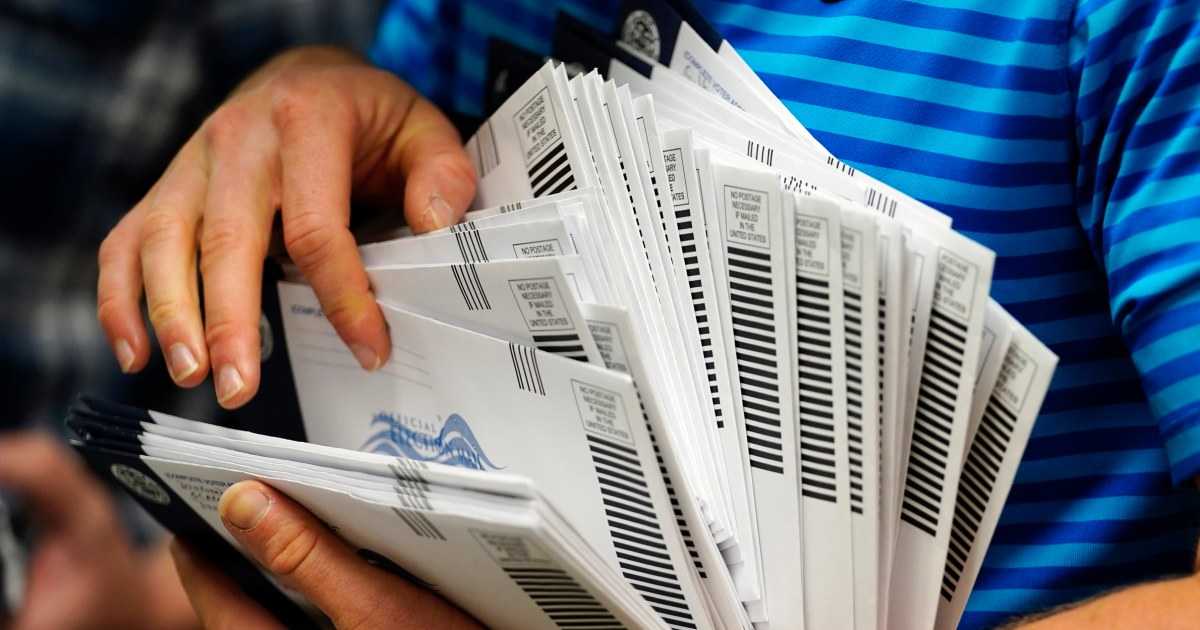
A federal judge in Boston blocked the Postal Service from enforcing a new rule that would have given the agency approval authority over how states design and send their mail ballots, issuing a preliminary injunction on Friday as the first ballots of the 2026 midterms went into the mail in North Carolina.
U.S. District Judge Indira Talwani found that the rule was likely both unlawful and unconstitutional. The regulation would have required states to submit their mail ballot designs to the Postal Service for advance approval, create accounts on a new electronic portal, certify that their designs had been approved, and upload voter information including names, addresses and ballot barcodes. It was issued less than 70 days before the November election.
Talwani's central finding was about the calendar. States had "neither time nor funds" to redesign ballots, rebuild their systems and retrain election officials inside two months, she wrote, making compliance "practically impossible" and disenfranchisement "practically inevitable" if the rule took effect. The ruling did not require her to decide whether the Postal Service could ever regulate ballot design; it was enough that this attempt landed in the middle of an election already under way.
The rule is the latest version of an effort that has now been blocked repeatedly. Courts stopped an earlier executive order that would have created a federal voter list and imposed conditions on mail voting, and a separate judge froze a related Postal Service ballot-tracking system after a postal whistleblower told a senator the system was not ready. Each time the administration has lost, it has returned with a narrower instrument aimed at the same target.
The Justice Department said it would appeal to the First Circuit Court of Appeals and, without waiting, asked the Supreme Court to override Talwani's order. That is the same emergency-docket route the department used on mail ballots earlier in the summer, and it puts the justices in the position of deciding an election-administration question with ballots already circulating — precisely the situation the court has historically said it tries to avoid.
The practical stakes are immediate. North Carolina began sending absentee ballots Friday, and other states follow over the next several weeks. Election administrators had told the court that a mid-cycle change to ballot design would ripple through printing contracts, scanner calibration and voter instructions in ways that could not be reversed once ballots were in voters' hands. For now, states will run the November election on the ballot designs they already had, unless the Supreme Court says otherwise in the next few weeks.