Putin Ordered a Three-Day Stop to Strikes on Kyiv. Witkoff and Kushner Had Just Landed in Moscow
The Kremlin said the pause begins at midnight Saturday and is tied to the American delegation's plan to visit the Ukrainian capital on Sunday. Russian missiles hit two airports outside Kyiv hours before the announcement.

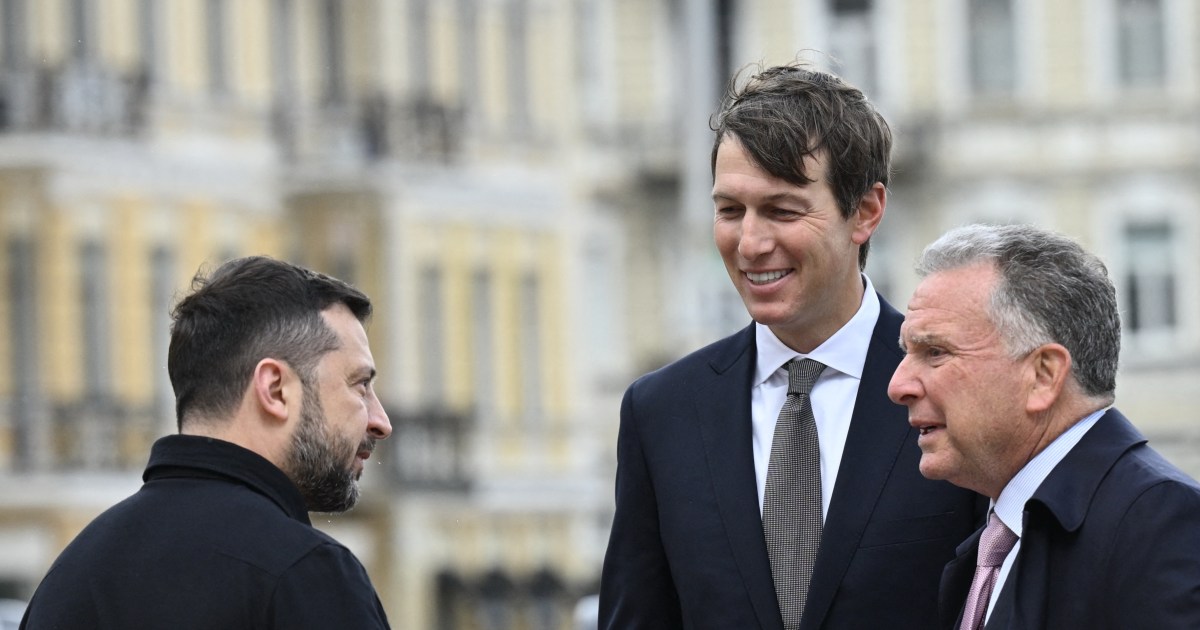
Steve Witkoff, President Donald Trump's special envoy, and Jared Kushner, the president's son-in-law, landed in Moscow on Saturday carrying what Trump has described as a proposal to end a war now in its fifth year. Kirill Dmitriev, Vladimir Putin's special representative, met the two men at Vnukovo airport, and Russian state media reported that Putin would sit down with the American delegation later in the day.
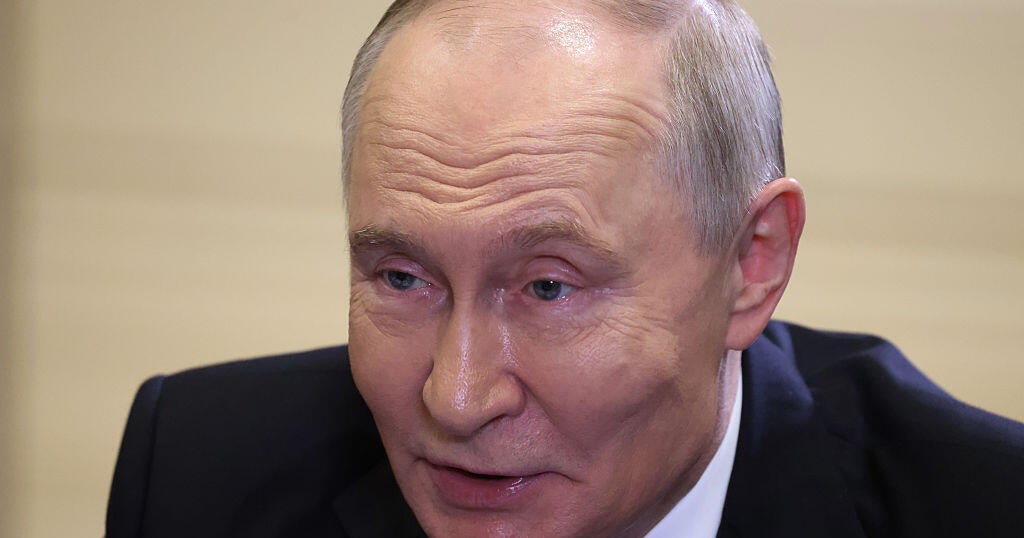
Within hours of their arrival, the Kremlin announced that Putin had instructed his military to carry out no strikes on Kyiv for three days, beginning at midnight Saturday. "This is connected with the preparation for and conduct of the Americans' contacts in Kyiv," Kremlin spokesman Dmitry Peskov told state media. Witkoff and Kushner are due to travel from Moscow to the Ukrainian capital on Sunday, the first visit either has made to Kyiv since the war began.
The pause arrived after a violent morning. Ukrainian President Volodymyr Zelensky said Russian missiles had struck two airports near Kyiv, including Boryspil, which handled international flights before the invasion. "Evidently, these Russian strikes on airports are a reaction to discussions and preparations regarding the possibility of the American side using an aircraft to arrive in Ukraine," Zelensky said. Foreign leaders have reached Kyiv by rail from Poland throughout the war, and it is not clear whether the strikes will change how the US delegation travels.
On Friday, a Russian missile hit the Kyiv headquarters of the SBU, Ukraine's security service, part of a near-constant campaign of missile and drone attacks on the capital. Zelensky has said repeatedly that Ukraine is running short of air defense interceptors, leaving cities exposed to ballistic missiles that its remaining Patriot batteries are designed to stop.
Trump praised the two envoys at the White House on Friday, calling them "great negotiators." "They're bringing with them a proposal to end the war," he said, adding that "there may be a good chance we will do it." Neither the White House nor the Kremlin has published the contents of the plan.
Russian officials spent the run-up signaling that Moscow does not intend to give ground. "The US administration must take into account the realities on the ground in the matter of Ukrainian settlement, where the situation is changing not in Kyiv's favor," Deputy Foreign Minister Sergei Ryabkov told the state news agency TASS. Russian forces have inched forward in recent months across a belt of industrial towns in the eastern Donetsk region, and Ryabkov's argument is that battlefield momentum should set the terms of any deal.
Zelensky, for his part, welcomed the Sunday meeting. "Our goal is to have a visit and negotiations with the American side that are as constructive and substantive as possible," he said Friday. "We need to look for realistic options on how to bring this war to an end." The last serious attempt at trilateral talks collapsed in Geneva in mid-February, and nothing since has produced a ceasefire that held for more than a few days.
What the three-day window actually buys is narrow. It covers Kyiv, not the front line, not Kharkiv, not Odesa, and it expires roughly when the American delegation is expected to leave. Whether it becomes the opening of a broader truce or another short-lived gesture depends almost entirely on what Putin tells Witkoff and Kushner behind closed doors on Saturday evening.