Ukraine Got One-Third the Air-Defense Missiles This Year That It Got Last Year, and Zero of 24 Ballistic Missiles Were Stopped Wednesday
Zelensky said allied interceptor deliveries have collapsed across the whole first half of 2026, blamed the Middle East war, and would not rule out that the squeeze is meant to push Kyiv toward a deal.

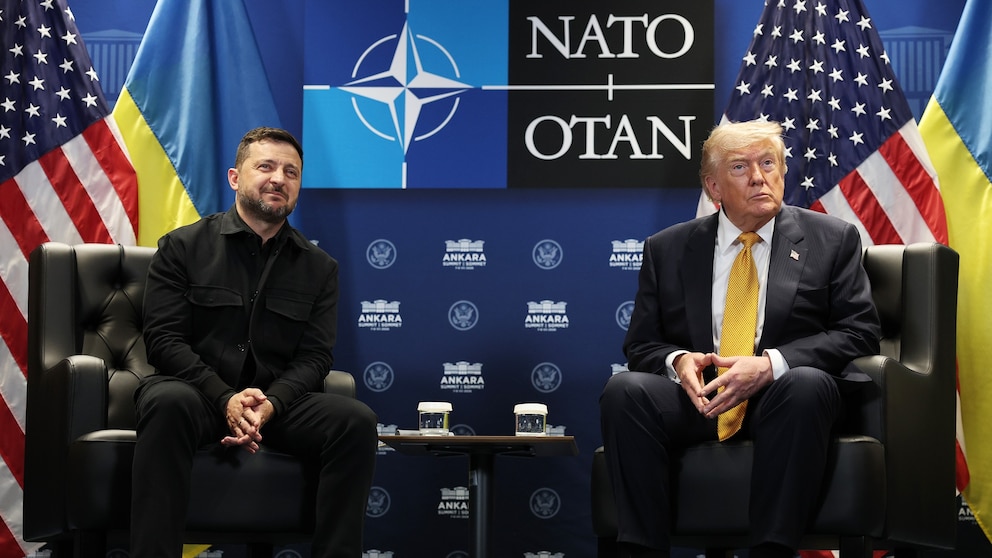
KYIV — Ukraine's allies have delivered roughly a third as many air-defense missiles this year as they did last year, President Volodymyr Zelensky said Wednesday, putting a number on a shortage that has left Kyiv's skies effectively open to Russian ballistic strikes.
"And this is not just a summer phenomenon — it applies to every period of the first half of 2026," Zelensky wrote on Telegram, pushing back on the idea that the drop is a temporary logistics problem. He attributed the decline mainly to the war in the Middle East, which has drawn interceptor stocks toward U.S. forces and partners in the region. But he did not rule out a second explanation: that the stalled supplies were "aimed at making Ukraine, so to speak, more willing to compromise" in peace negotiations with Moscow.
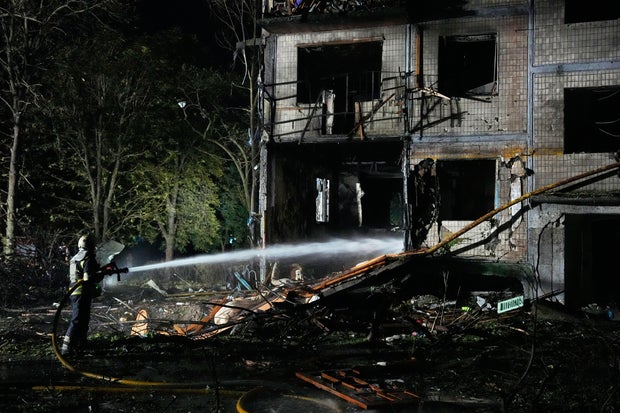
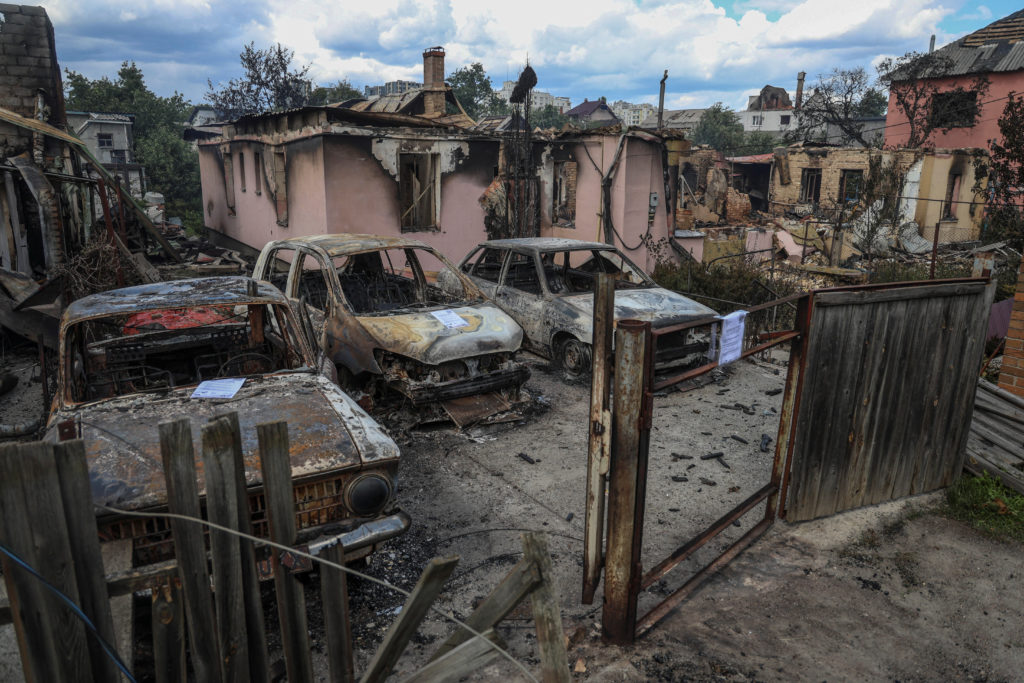
The consequences showed up hours later. In Wednesday's attack, Ukrainian air defenses failed to bring down a single one of the 24 ballistic missiles and four Zircon cruise missiles Russia launched, the air force said — the same result as recent strikes on the capital and on the country's southern port hub. Ukraine has been short of U.S.-made Patriot interceptors, the only system in its inventory capable of engaging ballistic missiles, since the start of the full-scale war. Through July, Russia hit Kyiv on average every three days.
Zelensky also warned that Russia is working to sharply increase ballistic missile production before winter, when Moscow is expected to resume its campaign against Ukraine's power grid. Serhii Beskrestnov, an adviser to the president on defense technology, estimated Russia can already sustain about 100 ballistic missile launches a month against logistics hubs, industrial sites, and food and building warehouses. "The war of attrition has entered its next phase," he wrote.
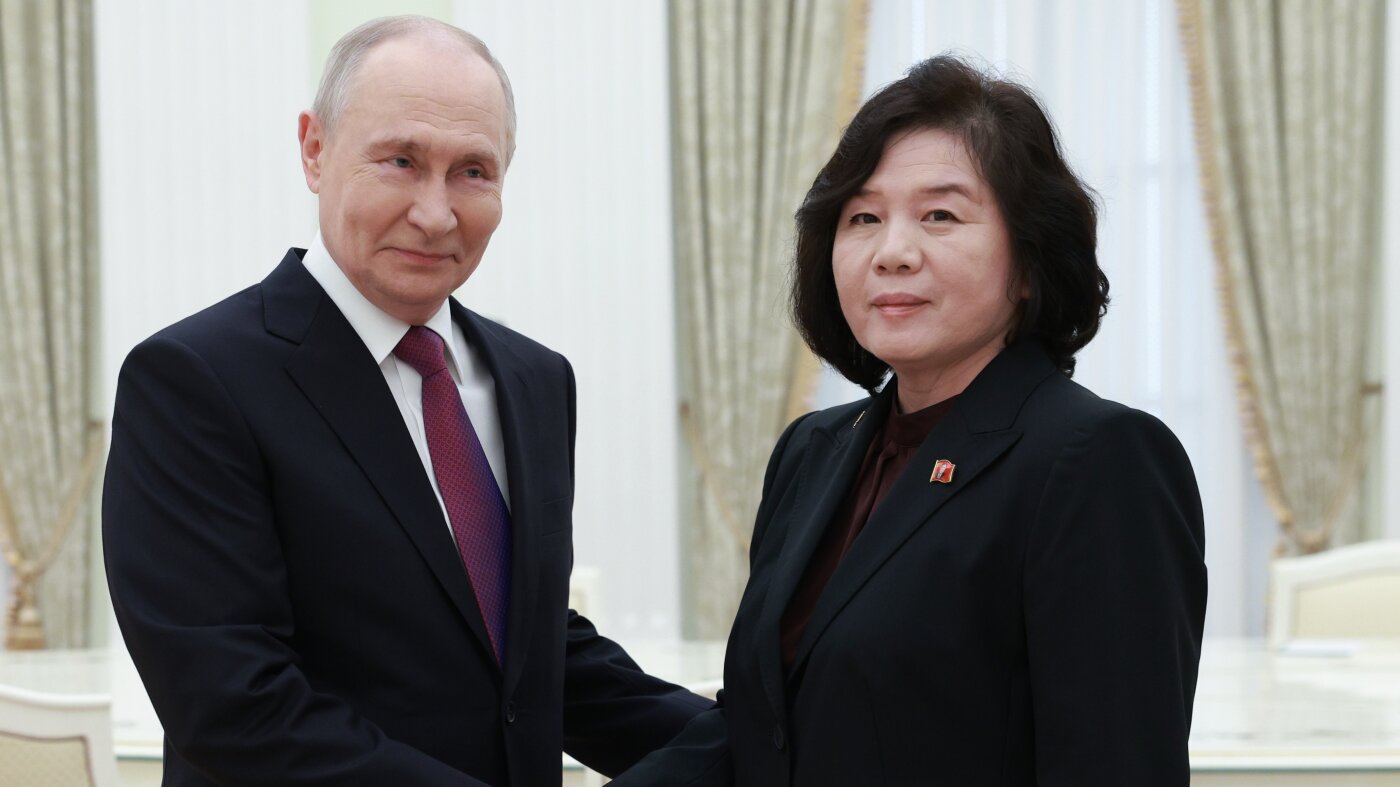
Moscow has also gone back to North Korean stockpiles. Last week Russian forces fired the first two North Korean ballistic missiles at Ukraine since August of last year, Kyiv said. Ukraine's military intelligence reports that a North Korean missile unit has begun deploying to western Russia and may field as many as 120 ballistic missiles and six launchers. Neither Moscow nor Pyongyang has commented.
With interceptor stocks tight worldwide and deliveries subject to political weather, some military analysts argue Ukraine's only durable answer is to destroy the launchers rather than chase the missiles. Zelensky signaled the same conclusion. "The military knows that they need to reduce the enemy's launchers, thereby reducing the attacks on Ukraine… That's what they're working on," he said. Ukraine's current strike capabilities do not reach far enough to do it at scale. In the meantime Kyiv is pressing European allies to build a pan-European anti-ballistic system and has asked Washington for a license to manufacture Patriot interceptors itself — a request that would take years to convert into rounds on rails even if granted tomorrow.