Campaigns Have Spent $45 Million on Data Center Ads. More Than 99% of It Attacks Them
Republicans and Democrats are running nearly identical attacks on the warehouses powering the AI boom, and the spending is split almost evenly between the two parties.

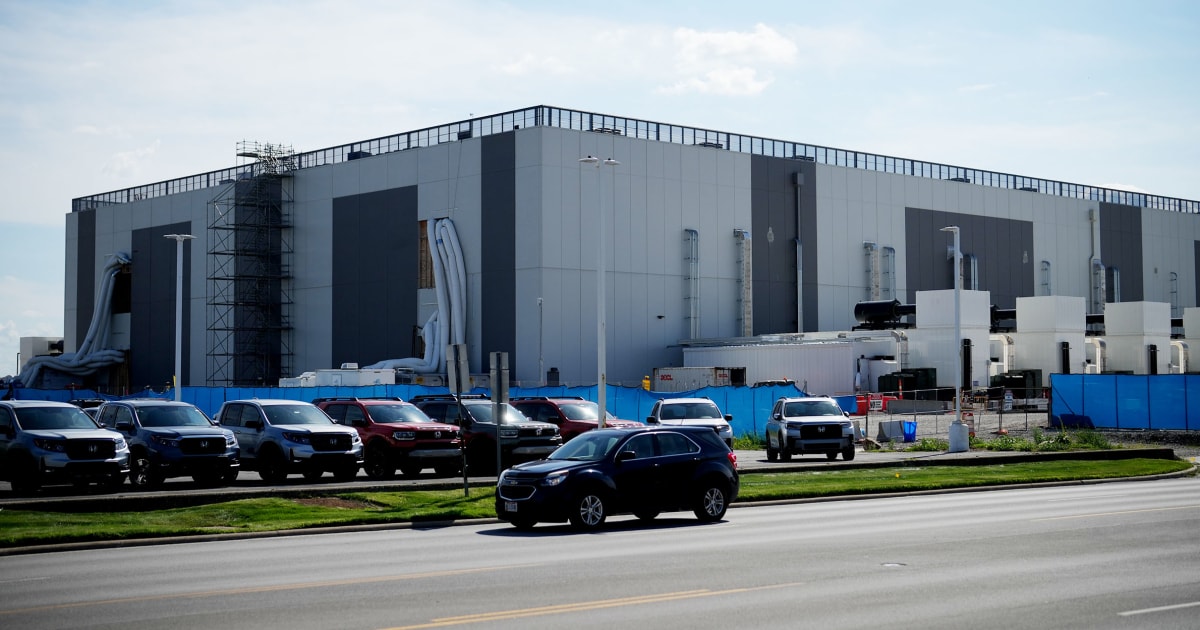
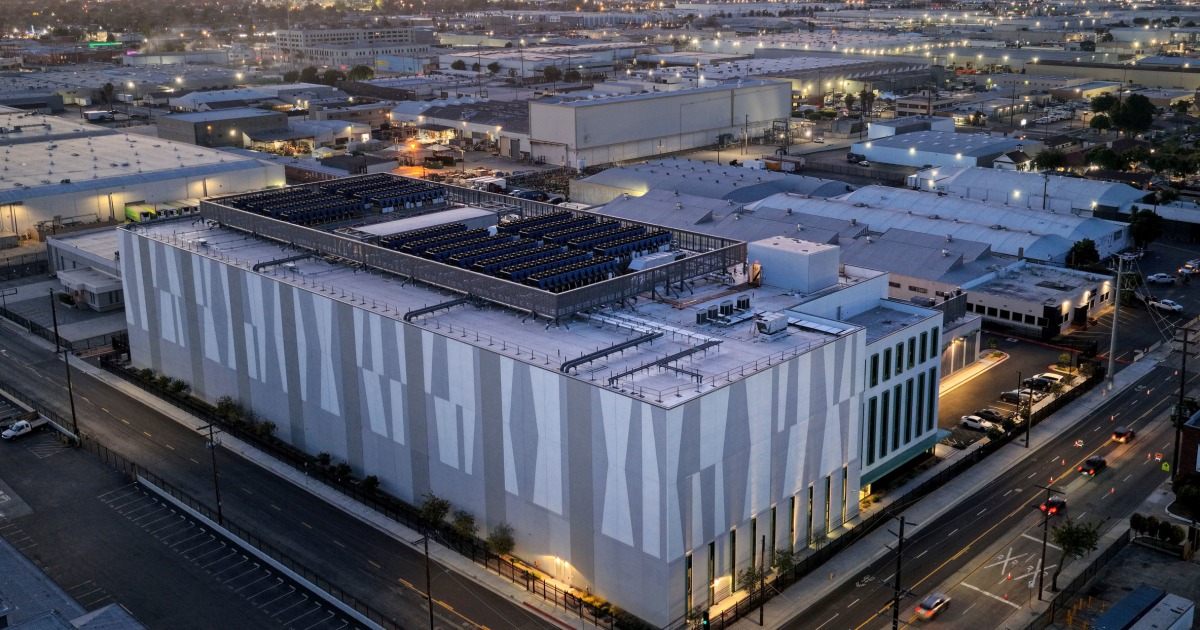
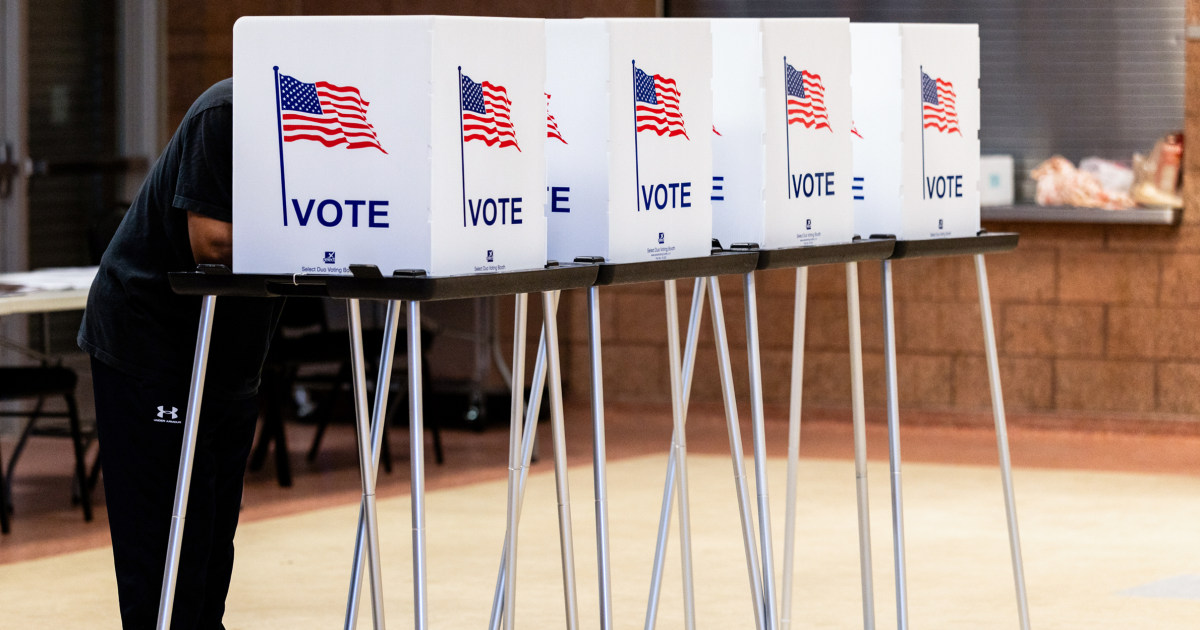
Campaigns and outside groups have spent more than $45 million this year on television and digital ads that mention data centers, and more than 99 percent of that money paid for spots attacking them, according to an analysis of the 2026 gubernatorial, House and Senate races. The warehouses full of servers that make the artificial intelligence boom possible have become one of the few things both parties are willing to run against in the same words.
The spending is almost perfectly balanced. From January through August, more than $22 million went to ads supporting Republican candidates and more than $21 million to ads supporting Democrats. The messages are close to interchangeable: the facilities collect too many state and local tax breaks, they drive up electricity bills for households that never asked for them, and somebody in the state capital ought to rein them in. Ads on that theme have run in races from Georgia to Iowa.
That is an unusual place for American politics to land. Data centers were, until recently, treated by governors of both parties as a straightforward economic development win — a large capital investment, a tax base, a press release with a nine-figure number in it. The pitch has curdled as the electricity math became visible to voters. Utilities across the country have asked regulators for rate increases tied to load growth, and residents in fast-growing corridors have watched substations, transmission lines and cooling infrastructure arrive alongside the buildings.
The backlash has been loudest at the local level, where zoning fights are decided. Protesters turned out in New Port Richey, Florida, in July as part of a nationwide day of demonstrations against data center expansion, one of dozens of such gatherings this summer. County commissions in several states have rejected or scaled back projects, and developers have begun offering to pay for their own grid upgrades in an effort to defuse the objection that other ratepayers are subsidizing them.
What makes the issue awkward for both parties is that neither national leadership wants to slow the buildout. The Trump administration has treated domestic AI capacity as a strategic priority and has pushed to speed up power generation to feed it. Democratic governors in states competing for the same projects have signed incentive packages of their own. The result is a campaign season in which candidates are attacking an industry their own party's leaders are courting, and the ad buys suggest the strategists on both sides have concluded that the voters are not confused about which side they are on.
Whether the ads translate into policy after November is a separate question. Most of the levers that matter — siting, permitting, utility rate cases, sales tax exemptions on servers — sit with state legislatures and public utility commissions, not with Congress. But the spending totals make one thing clear: for the first time, the physical infrastructure of artificial intelligence is being treated as a pocketbook issue rather than a technology story.