Trump Ordered the Gray Wolf Off the Endangered List. Burgum Has 90 Days to Write the Recommendation
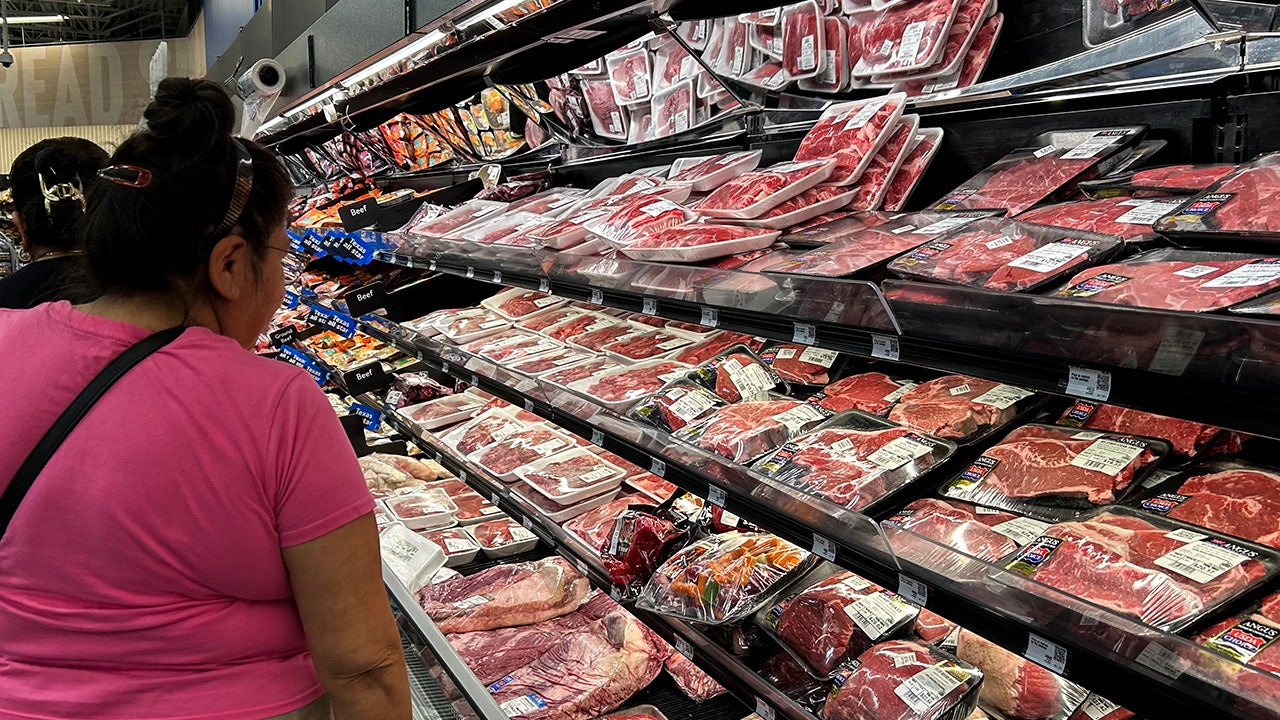
The order also tells the Interior and Agriculture departments to make it easier for ranchers to shoot wolves, and the White House framed the whole thing around the price of beef.
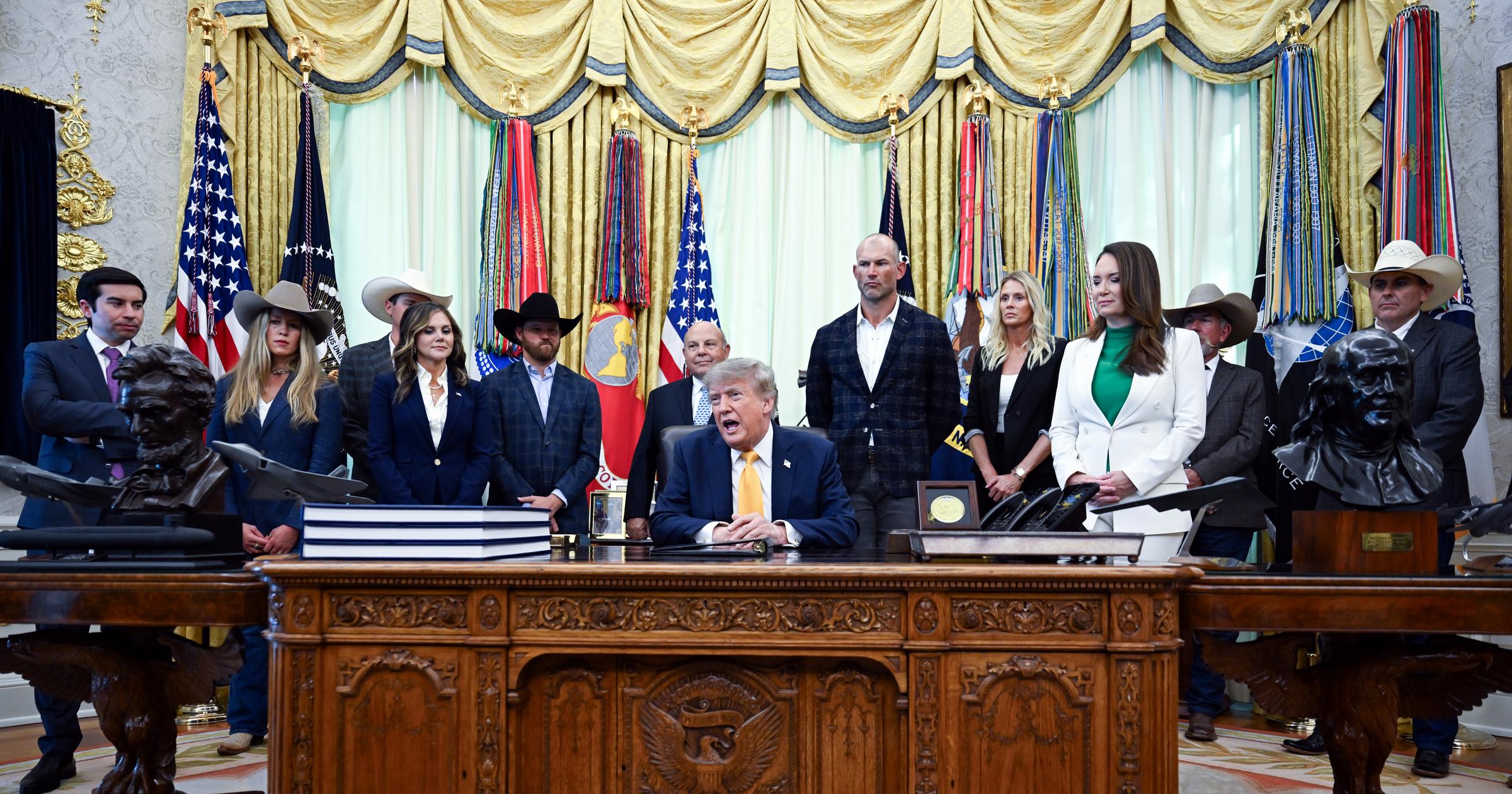
President Donald Trump signed an order Thursday directing his administration to strip Endangered Species Act protections from the gray wolf, giving Interior Secretary Doug Burgum 90 days to produce a recommendation to either fully delist the animal or downgrade it from endangered to threatened. The Mexican wolf, a far smaller and more fragile population in the Southwest, is covered by the same review.
The order goes beyond the listing question. It instructs the Interior and Agriculture departments to streamline the authorization ranchers need to kill wolves that threaten livestock, to update the standards used to compensate producers for animals lost to predators, to coordinate more closely with states that maintain their own protections, and to send Congress legislative recommendations. Agriculture Secretary Brooke Rollins took part in the announcement, where ranchers described losing cattle and calves and said existing federal law left them unable to defend their herds.
The White House pitched the move as a beef price measure. That framing sits awkwardly against the government's own numbers: Agriculture Department data attribute roughly 1 percent of cattle and sheep losses to wild carnivores of any kind, a category that includes coyotes, mountain lions and bears as well as wolves. The overwhelming share of livestock deaths comes from disease, weather and calving problems.
Gray wolves were nearly eliminated from the contiguous United States before federal protection. The Fish and Wildlife Service has tracked the population from roughly 1,000 animals in the early years of the listing to more than 6,000 by 2020, concentrated in the northern Rockies and the western Great Lakes. The first Trump administration used those numbers to justify a delisting in 2020; a federal judge vacated that decision in 2022, restoring protections across most of the country and returning the fight to where it started.
Conservation groups moved within hours to signal a legal challenge. "Rolling back federal protections now would jeopardize decades of recovery and open the door for brutal killing," the head of Humane World for Animals said. Any delisting has to survive the same administrative record fight that sank the 2020 attempt, which means the department will need scientific findings that hold up in court rather than a policy preference.
Congress has been working the same territory from a different direction. The Republican-controlled House passed legislation in December that would end federal wolf protections outright and, in some versions, bar judicial review of the decision — the maneuver that would make a delisting stick regardless of what a judge thinks of the science. The Senate has not acted. Thursday's order does not need that bill to proceed, but it does need the 90-day review to produce something an appeals court will accept, and on that point the last six years offer the administration no encouragement.