Federal Plan Would Cut Colorado River Water for California, Arizona and Nevada by Up to 3 Million Acre-Feet
The Bureau of Reclamation's proposal spares the four Upper Basin states for now. Lake Powell could fall so low this year that Glen Canyon Dam's turbines stop spinning.
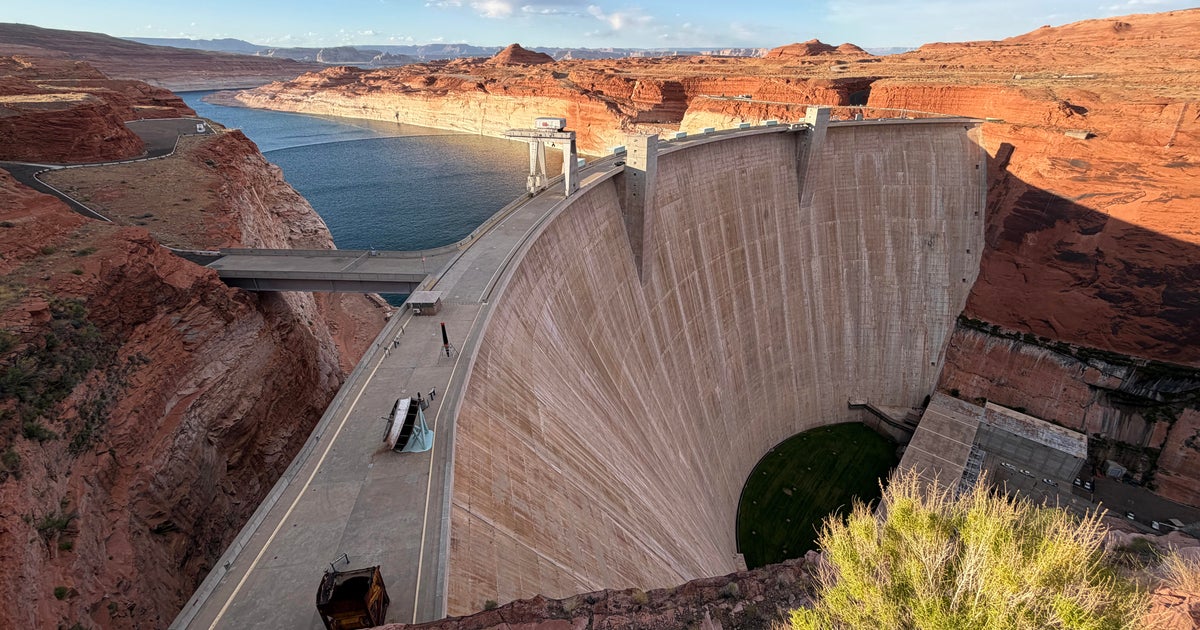
Arizona, California and Nevada would take substantially less water from the Colorado River under a proposal the federal government announced Friday, an attempt to head off a crisis on a waterway that supplies more than 40 million people across seven Western states.
The plan from the U.S. Bureau of Reclamation would subject the three Lower Basin states to collective cuts of up to 3 million acre-feet — about 130 billion cubic feet — through 2036, "subject to hydrology," according to a Department of the Interior release. That is roughly enough water to serve more than 25 million people for a year, and it would be the largest reduction imposed on the river to date.
Colorado, Utah, New Mexico and Wyoming, the four Upper Basin states, would face no mandatory cuts for now. That split reflects the same fault line that has stalled negotiations for years: the Lower Basin draws its water from reservoirs that federal officials directly control, while the Upper Basin argues its supply depends on snowpack it cannot regulate. The proposal is a temporary fix. The states are still fighting over a long-term management framework, and the current operating rules expire soon.
Under the 10-year federal framework, water management decisions would be revisited every two years, and annual releases from Lake Powell — the basin's second-largest reservoir — would range between 5 million and 12 million acre-feet depending on conditions. "This framework provides the flexibility to respond to changing hydrologic conditions while preserving the opportunity for the Basin States to continue working toward durable, consensus-based solutions," Interior Secretary Doug Burgum said in the release.
The urgency is visible in the reservoirs themselves. Lake Powell and Lake Mead, the two largest in the country, have both fallen to record lows this year after an exceptionally dry winter across the drought-stricken West. Federal forecasts show Lake Powell could drop so low by the end of the year that water can no longer spin the turbines at Glen Canyon Dam, which generates electricity for homes, businesses and irrigation systems across the region.
For the three states facing cuts, the consequences would land on cities and farms alike. Water agencies expect higher prices, greater reliance on groundwater, more farmland taken out of production, and conservation mandates in communities that have never had them. Arizona's agricultural districts and California's Imperial Valley, which holds some of the river's most senior water rights, would be among the most exposed.
The 1,450-mile Colorado River also supports several tribal nations, Mexico, hydropower generation, wildlife and industry. Decades of overuse combined with rising temperatures and prolonged drought have left flows well below what the compacts governing the river assumed a century ago. Federal officials are expected to finalize the plan in the coming days.
Originally reported by CBS News / AP.