Steak Is Up 16.6% in a Year and the Cattle Herd Is the Smallest Since 1951
Ground beef rose 12.8% and roasts 13.6% in August, against 3.2% for food overall. Ranchers who sold off breeding cows during the drought cannot rebuild the herd before the end of the decade.
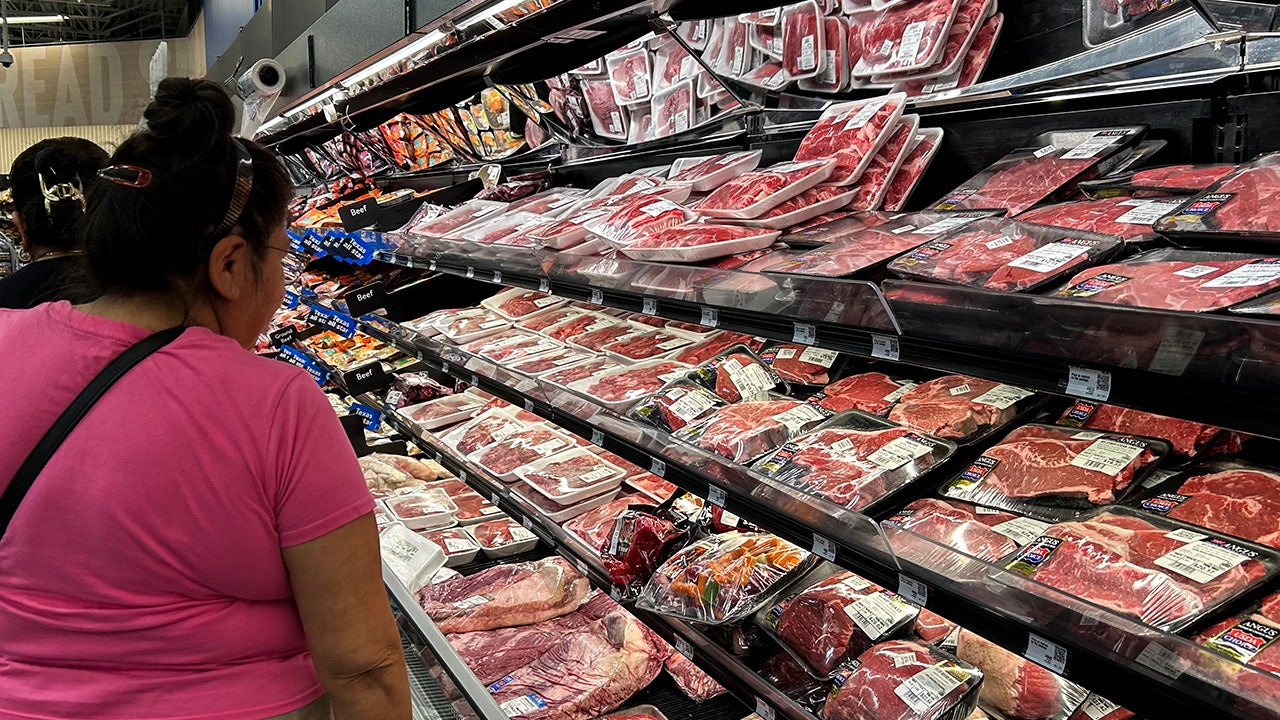
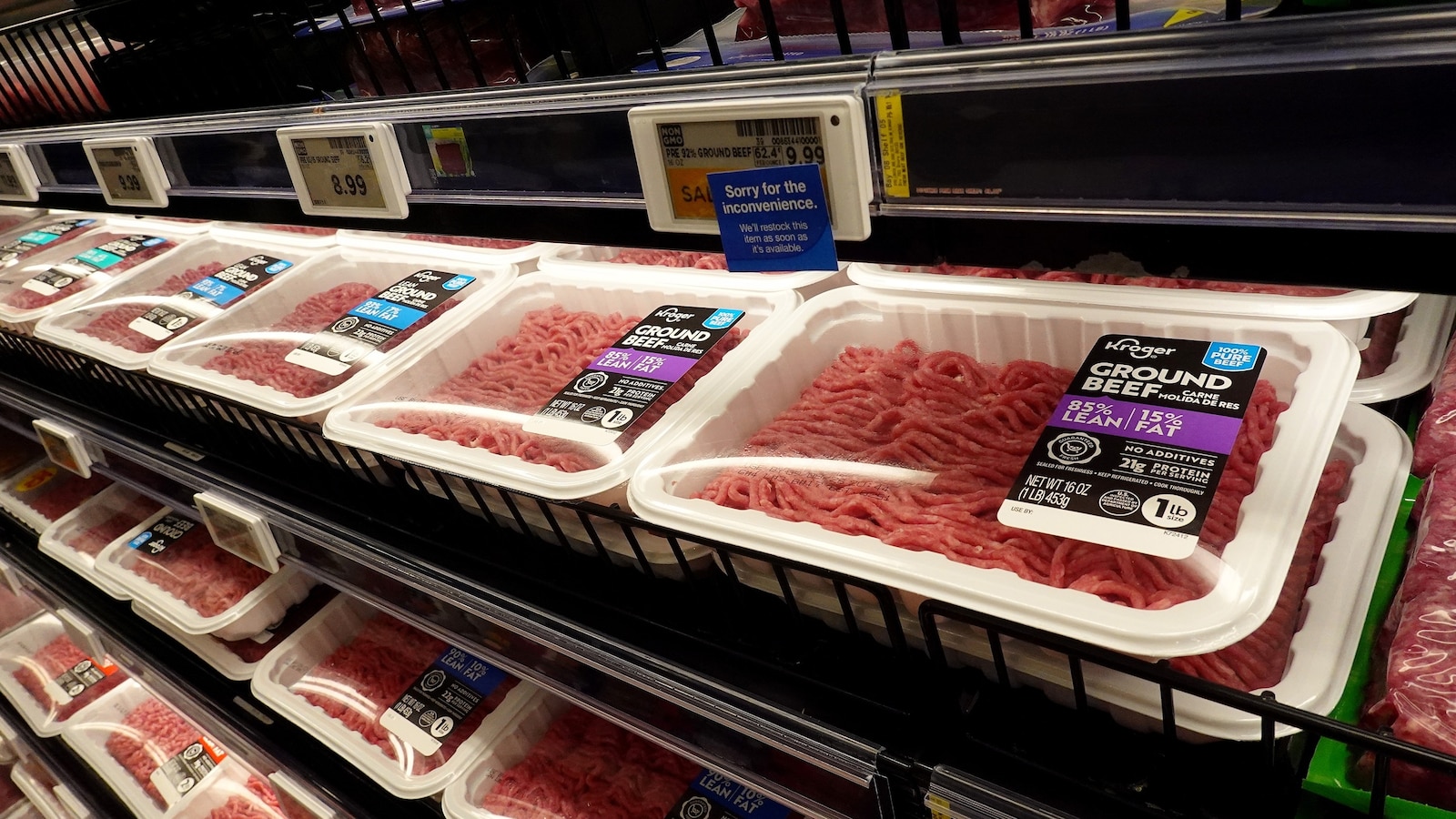
Beef is now the most conspicuous line item in the American grocery cart, and the reason is sitting in pastures that no longer have enough cows in them. Ground beef prices rose 12.8 percent over the past year in August's consumer price index, beef roasts climbed 13.6 percent and steak jumped 16.6 percent — against a 3.2 percent increase for food as a whole.
The national cattle inventory has fallen to its lowest level since 1951. The country began the year with roughly 86.2 million head, more than 8 million fewer than in 2019, and the shrinkage is concentrated in exactly the animals that matter most for a recovery: beef cows that produce next year's calves. More than three-quarters of the beef cow herd has been sitting under drought conditions.
That is the mechanism. Years of dry weather across the West and the Plains burned off grass and dried up stock water, and ranchers without feed had no choice but to sell. "Texas, Oklahoma, Kansas, the Southeast lost all their grass, all their forage," said Mike Martz, a rancher at Larson Farms in Illinois. "And when that happens, you've got to liquidate cows." Derrell Peel, an agricultural economics professor at Oklahoma State University, has made the same point about the geography of it: "just about every major beef cow-producing area was subject to drought."
Several policy decisions tightened the squeeze. Cattle imports from Mexico were suspended after New World screwworm was detected, cutting off a supply of feeder animals that Texas feedlots had relied on for decades. Tariffs raised the cost of imported beef, including a 76 percent rate on Brazilian product, at a moment when domestic supply could not fill the gap. Feed, fuel and borrowing costs have all stayed high.
The paradox for ranchers is that record cattle prices are the first good news many have had in years. Colin Woodall, chief executive of the National Cattlemen's Beef Association, has said the improved prices represent genuine relief after a long stretch of losses, even as input costs stay elevated. But a rancher who wants to expand has to hold back heifers instead of selling them, which means giving up revenue now to produce animals that will not reach a plate for two years or more.
That arithmetic is why nobody in the industry is forecasting cheap beef. Rebuilding the herd is a multi-year commitment made one ranch at a time, and analysts generally do not expect meaningful expansion — or price relief — before 2028 or 2029. Consumers have kept buying anyway, which is the other half of the story: demand has held up well enough to absorb every increase so far, and as long as it does, the price stays where it is.