A Judge Told the Justice Department to Name Everyone Who Built the $1.8 Billion 'Anti-Weaponization' Fund
Magistrate Judge Ivan D. Davis granted discovery in Alexandria, Virginia, over a fund born from Trump's settlement with the IRS. The attorney general has said the fund is dead; the plaintiffs say nobody ever rescinded it.
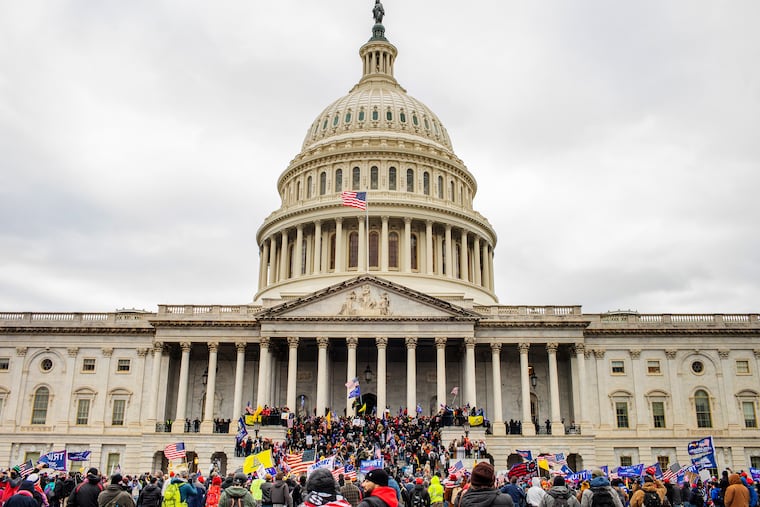
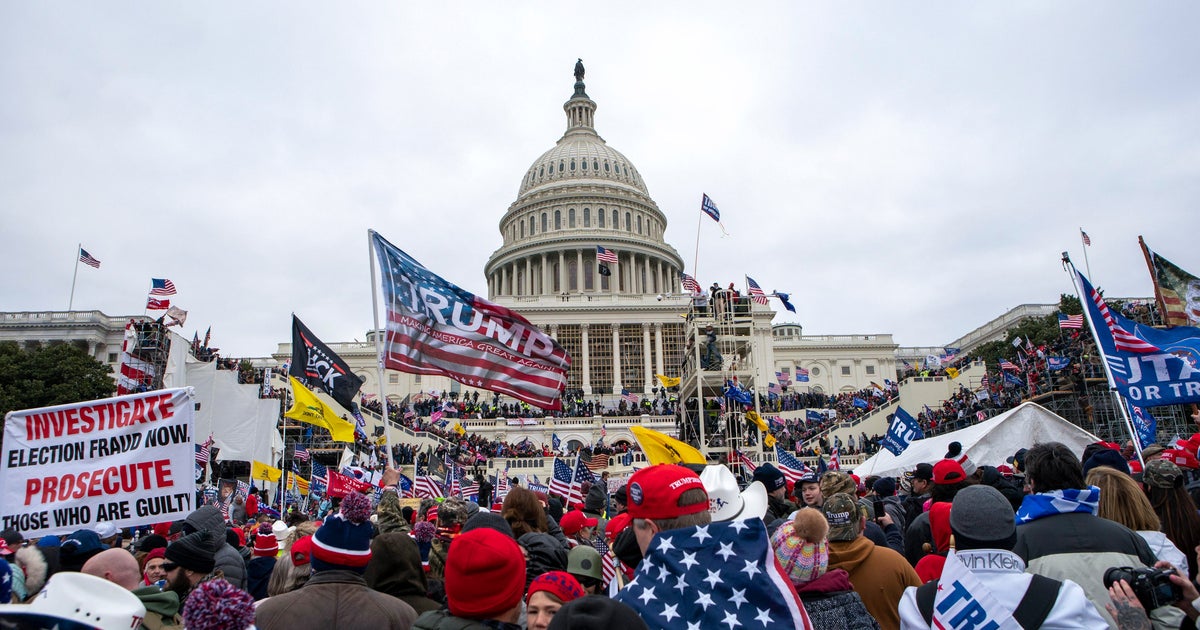
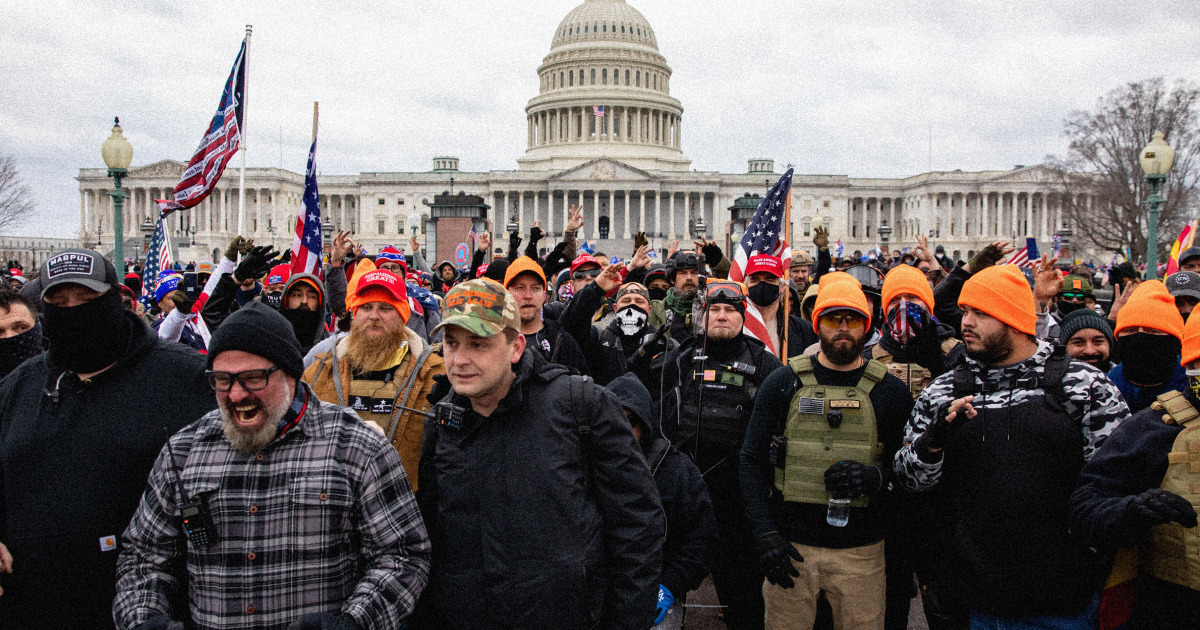
A federal magistrate judge has ordered the Trump administration to identify the people who designed a nearly $1.8 billion fund meant to pay Americans who say the federal government wrongfully targeted them — a pot of taxpayer money that could reach January 6 rioters who were convicted of violent crimes and later pardoned.
U.S. Magistrate Judge Ivan D. Davis issued the order Friday in federal court in Alexandria, Virginia, granting a motion to compel discovery in a lawsuit challenging the fund's legality. The plaintiffs have spent months asking a simple question the government has not answered: who actually wrote this thing. The suit was brought by a group that includes a former federal prosecutor fired by the administration after working on January 6 cases and a union representing IRS employees, with the nonprofit Democracy Forward filing on their behalf.
"Today's order granting discovery is a significant step in getting to the bottom of the slush fund," said Aman George, senior counsel at Democracy Forward.
The fund did not come out of Congress. It emerged from negotiations between Trump's personal lawyers and Justice Department officials, packaged alongside a provision granting broad protection to the president, his family and his businesses from certain past tax investigations. Both pieces were tied to Trump's agreement to drop a lawsuit he had filed against the IRS over the disclosure of his tax returns. A federal judge in Florida has already criticized both the original suit and the way it was dismissed, describing it as improper self-dealing and an attempt to sidestep judicial review.
Attorney General Todd Blanche has said repeatedly that the fund is dead. The plaintiffs' argument is that "dead" is not a legal status: the people who signed the agreement never rescinded it, which leaves the structure sitting there, available to be revived by the same officials who created it. Trump himself has been ambivalent in public, saying at one point that the fund "is dead, but you know, I wish it weren't." The Justice Department did not immediately comment on Friday's ruling.
A federal judge temporarily blocked the fund in May, shortly after the lawsuit was filed, and it has not paid out. What Davis's order changes is the information asymmetry. Discovery means names, drafts and dates — the internal record of how a $1.8 billion compensation mechanism for people the president considers politically persecuted came to be attached to the settlement of his own tax case.
That record is what the plaintiffs believe will decide the case. If the fund was conceived inside the Justice Department as a general remedy for prosecutorial abuse, the government has an argument. If it was built by the president's private lawyers and then handed to the department to administer with public money, the plaintiffs say it is something else entirely, and no assurance that it is dormant will cure it.