Maryland's Top Court Put Redistricting Back on the Ballot and Ordered the Question Rewritten
The state Supreme Court reversed two lower courts that had blocked Question 3, clearing the way for Maryland Democrats to seek the power to redraw congressional maps before 2028.
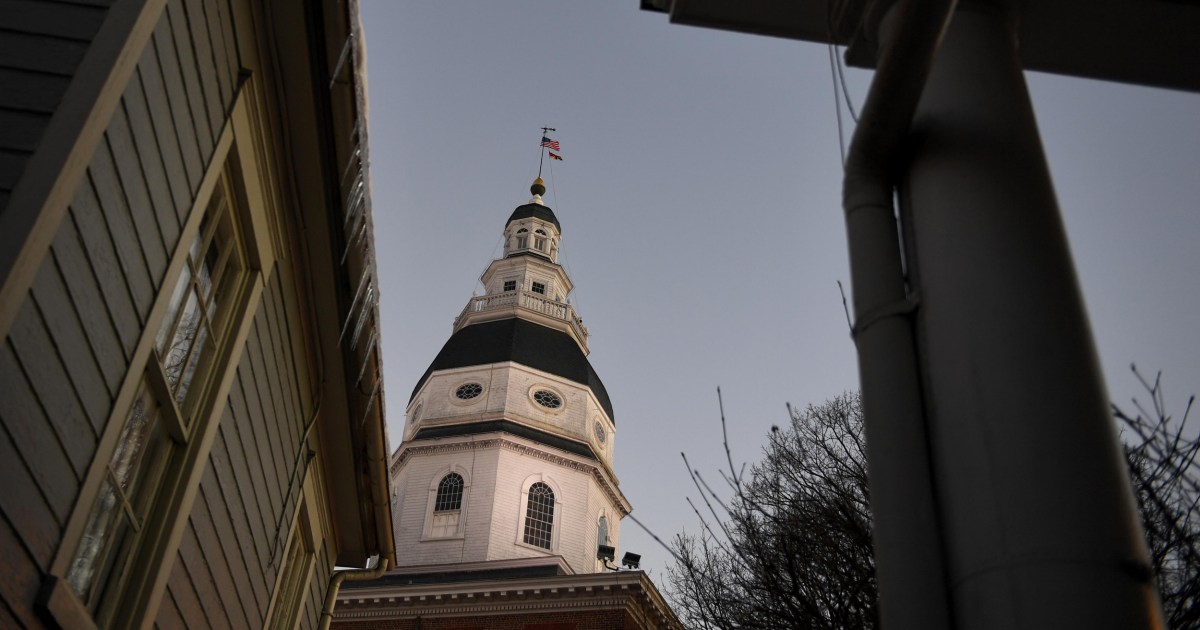
The Maryland Supreme Court ruled Thursday that a Democratic-backed constitutional amendment on congressional redistricting must go on the November ballot, reversing two lower court decisions that had struck it off with the printing deadline days away. The court did order one change: the summary voters will read has to be rewritten, because the version the General Assembly wrote was misleading enough to violate due process.
The amendment, Question 3, does not redraw a single district for this year's midterms. What it does is remove the legal foundation that a Maryland judge used in 2022 to throw out a Democratic congressional map as "the product of extreme partisan gerrymandering." That judge held that a state constitutional provision requiring compact districts respecting "natural boundaries" applied to congressional lines. Question 3 would confine those requirements to state Senate and House of Delegates districts only, and declare that nothing in the Maryland Constitution supplies criteria for congressional boundaries.
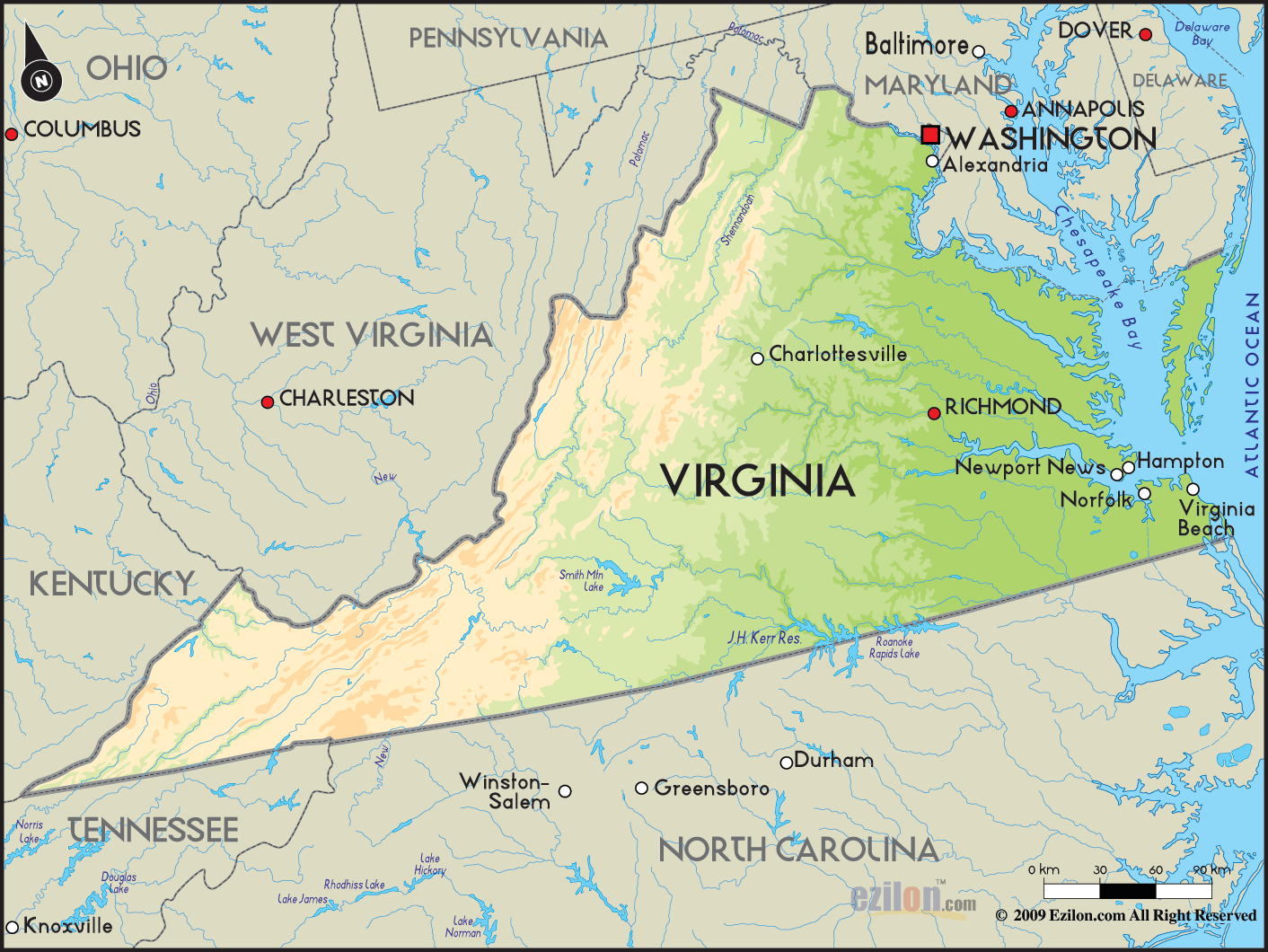
The practical target is the state's single Republican seat. Democrats already hold seven of Maryland's eight House districts. With the compactness constraint gone, lawmakers could draw a congressional district that crosses the Chesapeake Bay, which would reshape the Eastern Shore seat held by Rep. Andy Harris, chairman of the House Freedom Caucus, and give the party a shot at a clean sweep in 2028.
Gov. Wes Moore, who called lawmakers into a special session in August specifically to refer the amendment to the ballot, called the ruling "a massive victory for the people of our state and a powerful defense of our democratic process." He said it "affirms what I have said from the very beginning: the final decision on how we draw our maps belongs in the hands of Marylanders, not politicians," and accused Trump and Republicans of "working to rig the system, weaken voting rights, and make this pain permanent through aggressive mid-decade redistricting."
The legal fight turned on a deadline the legislature had set for itself earlier this year. A new law required the secretary of state to certify statewide ballot question information to the State Board of Elections by July 1, with a 15-day public comment window. Lawmakers did not approve the redistricting amendment until Aug. 4, well past both. Republican legislators sued on exactly that point and won twice below. Lawyers for Democratic Attorney General Anthony Brown argued the statute did not reach this amendment, because lawmakers wrote their own ballot summary under separate constitutional authority. The Supreme Court agreed.
The revised language voters will now see spells out that the measure limits certain districting requirements to state legislative seats, lets the General Assembly grant the Supreme Court original jurisdiction over congressional maps, and states plainly that the Maryland Constitution supplies no applicable criteria for congressional district boundaries.