Gas Set a Labor Day Record and Diesel Hit $5.89. Chris Wright Would Not Promise $3 by Sept. 20
The energy secretary told 'Face the Nation' that falling prices are 'not an unreasonable expectation.' Treasury Secretary Scott Bessent had put a date on it.
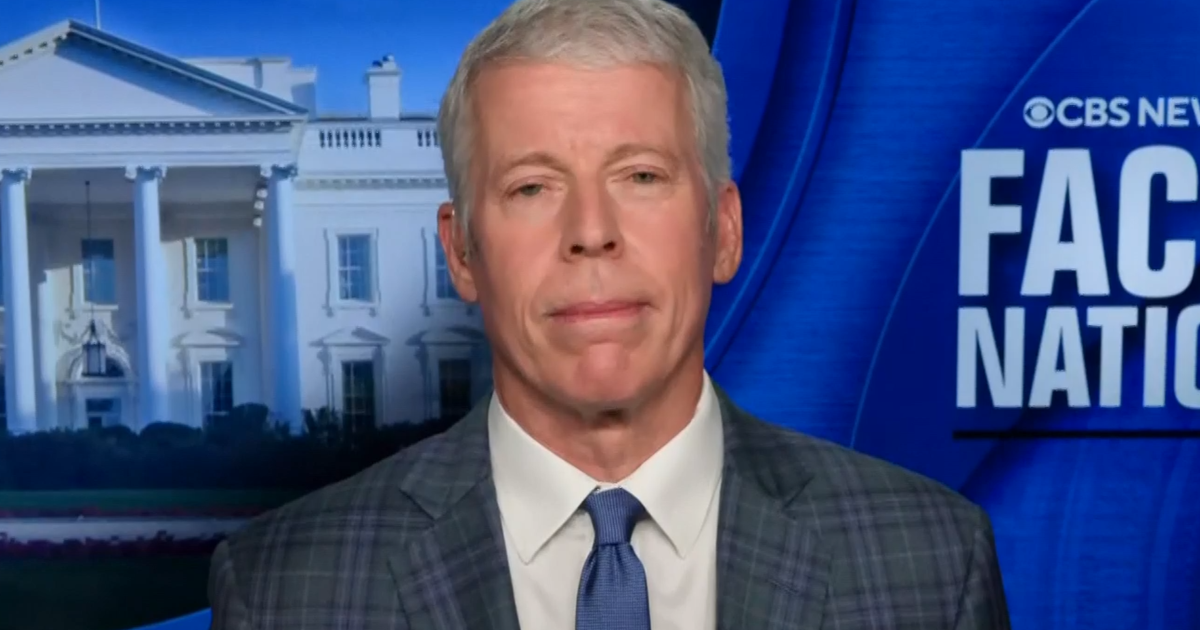
Energy Secretary Chris Wright went on "Face the Nation with Margaret Brennan" on Sunday to talk about the most politically dangerous number in the country and left without endorsing his own colleague's forecast.
Brennan put the question directly. "Secretary Bessent had predicted we'd see three-dollar gas by September 20th, depending on the Iran talks," she said. "Do you think we're going to be back at three bucks in the next two weeks?" Wright did not say yes. He said demand should fall now that Labor Day has ended the summer driving season, and that the administration has changed regulations to let American refiners produce more gasoline and diesel out of the equipment they already own. Falling prices, he said, are not an unreasonable expectation.
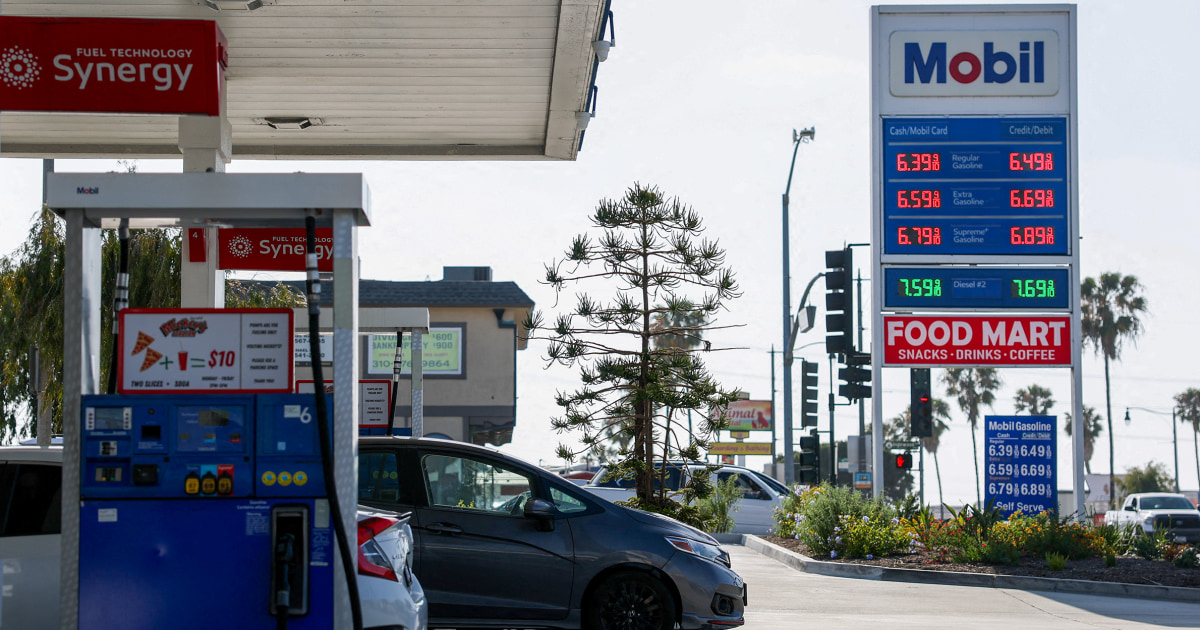
That is a considerably softer statement than the one Treasury Secretary Scott Bessent made, and it landed on a weekend when gasoline was at its highest price on record for a Labor Day holiday. Diesel is worse. Brennan cited a record $5.89 a gallon this week and asked whether an export ban was off the table.
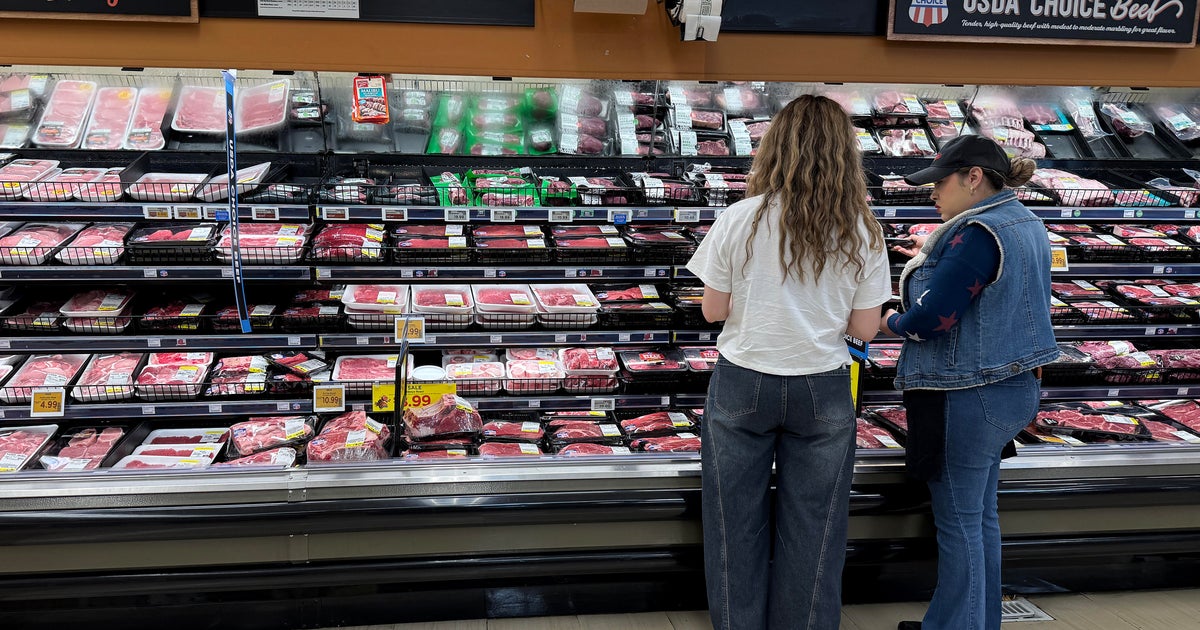
Wright's explanation for diesel pointed at Russia. Ukrainian drone strikes have hit Russian refineries repeatedly over the past year, and Wright said those refineries have suffered significant damage to the point that Russia no longer exports diesel at all — a reversal for a country that had been a meaningful exporter. Diesel is the fuel that moves freight, runs farm equipment and heats homes across the Northeast, which means the price shows up in groceries before it shows up in anything else.
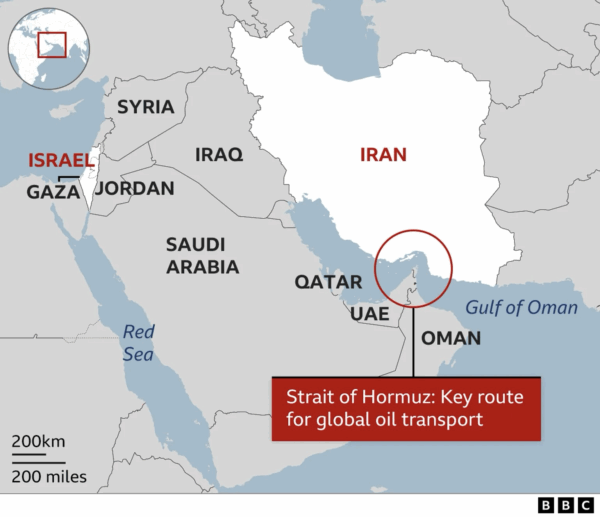
The other half of the problem is the one the administration created. American forces have spent months trying to shut down Iranian crude exports, and Wright described the military's role in exactly those terms: to stop the export of any Iranian crude. He also offered the administration's preferred counter-statistic, saying U.S. oil exports through the Strait of Hormuz are at their highest level since the conflict started.
Both things can be true and still leave a driver paying more. Taking Iranian barrels off the water tightens the global crude market, and the Strait of Hormuz is the chokepoint through which a fifth of the world's seaborne oil normally moves. Trump and Vice President JD Vance have both acknowledged in recent days that they do not know when the war with Iran will end.
Sixty days before the midterms, that is the shape of the administration's energy message: the war continues, the refinery rules have been loosened, the driving season is over, and nobody in the cabinet will put a date on three-dollar gas except the Treasury secretary.