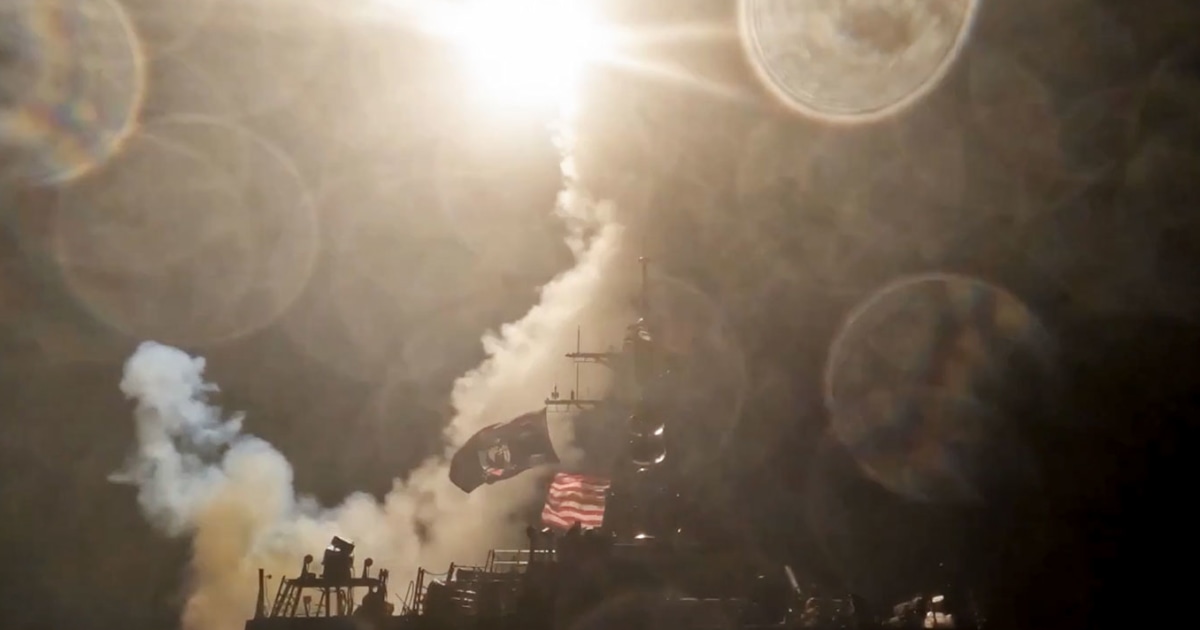
The IRGC Fired Ballistic Missiles at Two U.S. Warships. CENTCOM Hit Three Iranian Tankers and Sank One
U.S. Central Command said the M/T Kylo went down in the Gulf of Oman on Saturday, one of three tankers struck in retaliation for missiles fired at American ships. Tehran has promised a "more severe" response.
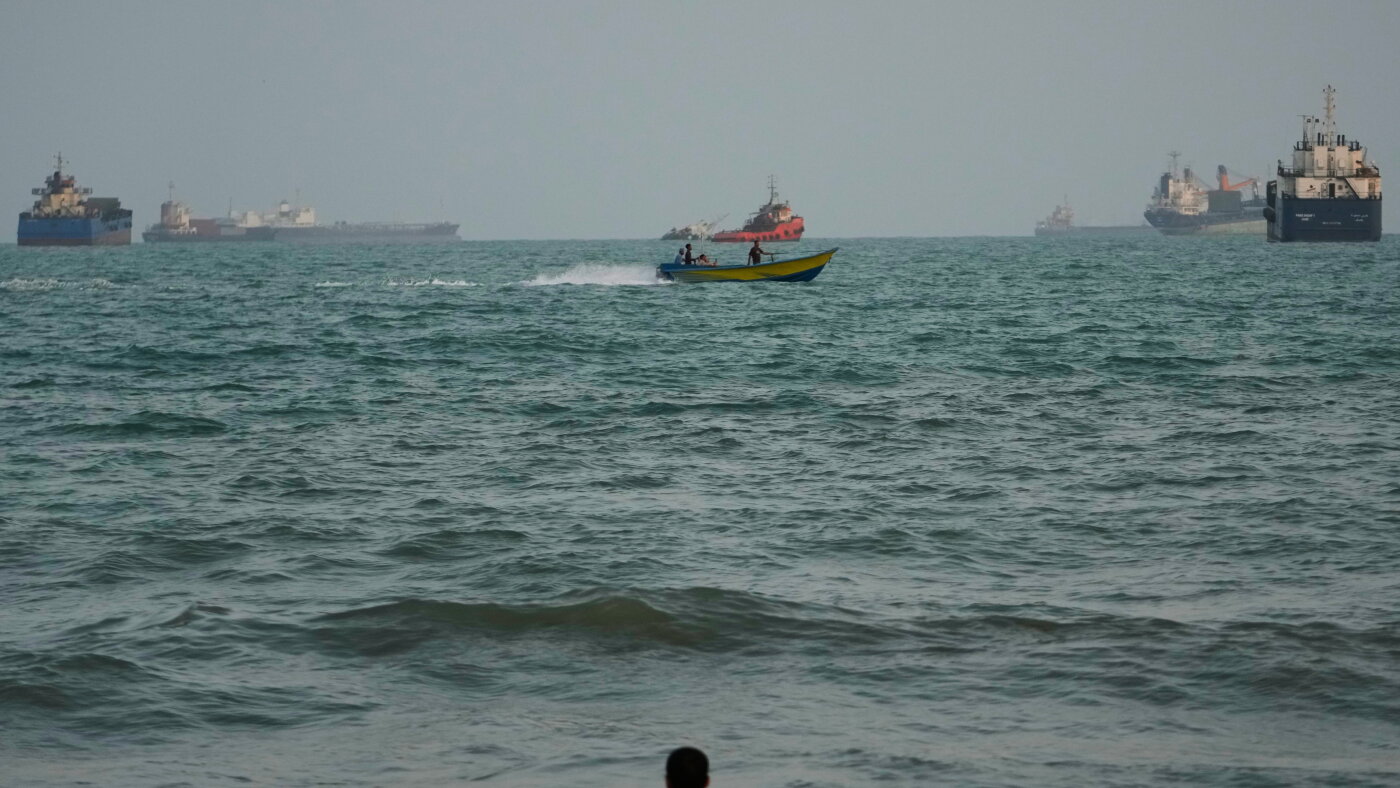
A tanker carrying Iranian crude went to the bottom of the Gulf of Oman on Saturday, and U.S. Central Command wanted everyone to know the arithmetic behind it. Iran's Islamic Revolutionary Guard Corps had fired ballistic missiles at two U.S. Navy warships. CENTCOM answered by striking three Iranian oil tankers, and one of them did not survive.
"Thanks to the precision and professionalism of American service members, the M/T Kylo sank in the Gulf of Oman today and joined Iran's navy at the bottom of the sea," Central Command said in a post on X. The command said the other two vessels were disabled rather than destroyed — one at the anchorage off Kharg Island, Iran's main crude export terminal in the northern Persian Gulf, and one off Jask, on the Gulf of Oman coast outside the Strait of Hormuz.
Adm. Brad Cooper, the CENTCOM commander, laid out the exchange rate in plain terms. "Let the message to the IRGC be clear: If you shoot at two of our ships, we will impose an even higher economic cost — taking out three of yours," he said. Defense Secretary Pete Hegseth posted a blunter version of the same policy: "If Iran shoots at US ships, we will destroy (and sink) their oil tankers. All they have to do is not shoot at [the] US Navy."
Tasnim, the semi-official Iranian news agency, reported that four American missiles struck the tanker at Kharg's anchorage. Tasnim quoted local sources saying there were no casualties and that the crew was being evacuated. Iranian officials vowed a "more severe" round of reprisals against U.S. forces in the region, and Tehran has said in recent days that its own attacks on vessels tied to American interests will continue.
The strikes formalize a doctrine the Pentagon began applying earlier this month, one U.S. officials have described as tanker for tanker: every Iranian attack on shipping or on Navy vessels is met with the destruction of Iranian export capacity rather than with strikes on Iranian soil. The logic is economic. Iran's government runs on crude sales, and the shadow fleet that moves that crude past sanctions is both valuable and, unlike a hardened missile site, easy to find and easy to sink.
The exchange is the sharpest escalation in a week that has pushed a conflict now more than six months old back toward open naval warfare. The United States began major combat operations against Iran in late February, and the fighting has since disrupted global energy flows, driven American diesel to record prices and drawn opposition from a majority of Americans in polling ahead of November's congressional elections. Negotiators from both governments have been meeting since June in search of a deal to end the war. Neither the missiles fired at the two warships nor the tankers burning off Kharg and Jask suggest those talks are close.