One in Five Americans Cut Back on Groceries to Pay Electric Bills, Consumer Reports Finds
A survey of more than 2,000 adults shows power bills outrunning incomes weeks before the midterms, with data centers and the Iran war's oil shock among the blamed causes.
About one in five Americans say they have cut back on groceries to afford their electricity bills, according to a new Consumer Reports survey of more than 2,000 adults. About a quarter say they are keeping their heating or air conditioning at uncomfortable levels to save money, and many are switching to cheaper foods and cutting discretionary spending.
Roughly 80% of respondents who have lived in the same home for at least three years say their electricity bills have gone up over that time. The largest group, 28%, said the increase was between 20% and 49%. Federal data cited alongside the survey shows electricity prices in major U.S. cities rose 14% over the past three years.
"Many people don't know how to afford rising rates," said Sara Enright, senior director of safety and energy at Consumer Reports. She noted that students and retirees on fixed incomes have little room in their budgets, and that a surprise summer bill "can be frightening." People prioritize utility bills to keep the lights on and the food cold, she said, and are "definitely cutting back on non-essentials like vacations and eating out."
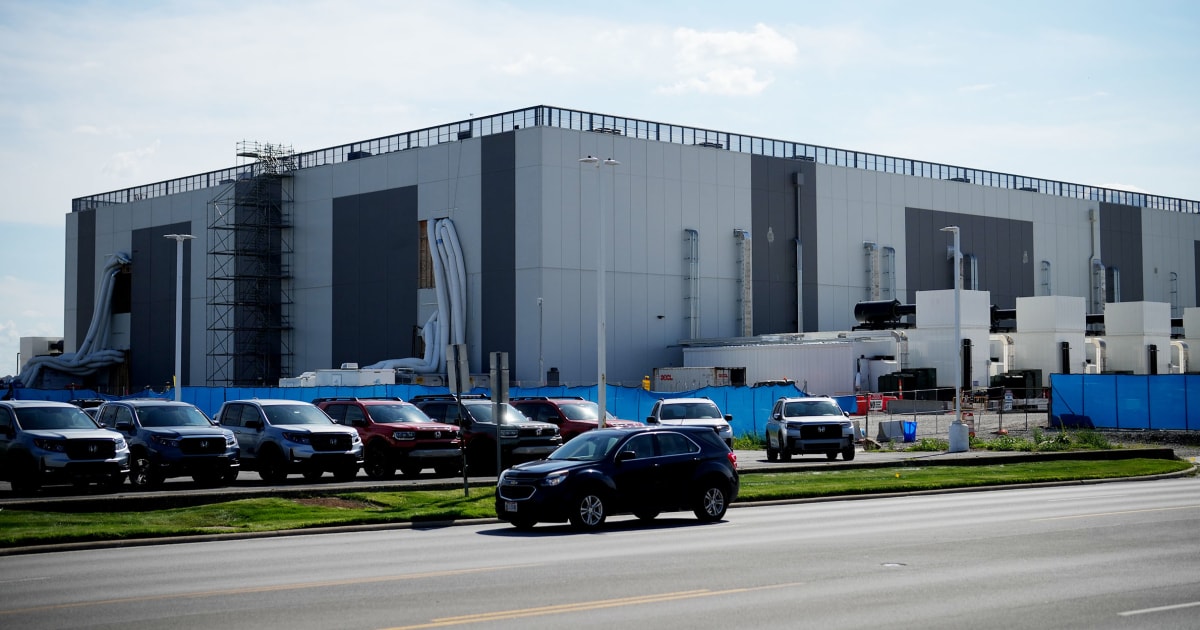
Respondents pointed to utility companies seeking profits and the rapid buildout of data centers as culprits. Schneider Electric forecasts electricity demand will rise 16% by 2029, mainly because of data centers. Natural gas prices and the electrification of buildings and vehicles are also pushing demand and costs higher. Meanwhile, higher oil prices tied to the war in Iran are raising gasoline and diesel costs, adding to the squeeze.
A majority of those surveyed said they do not believe state utility regulators are protecting their interests. Enright said distrust that government is looking out for people is rising across party lines.
Help is narrow. The federal Low Income Home Energy Assistance Program is limited to households earning less than 60% of their state's median income. Mark Wolfe, executive director of the National Energy Assistance Directors Association, said more middle-income households are applying even though their incomes are too high to qualify. Households living paycheck to paycheck can be pushed over the edge when driving costs climb by $100 to $150 a month, he said.
The numbers have political weight with the midterm elections next month. A Climate Power survey of battleground-state voters in October ranked food costs as the top concern, followed by gas prices and utility bills.
Consumer Reports is launching a project called Power Smarter, including a CR Bill Decoder where people can submit their electric bills. The group says it will anonymize and aggregate the data to map prices nationally and study what drives energy costs at the national and state level.