Judge Orders Meta to Pay New Mexico $25 Billion Over Misleading Privacy Claims
The ruling follows a September jury verdict that Facebook's most senior leaders misled users about their data. Attorney General Raúl Torrez calls it possibly the largest state verdict against a company in U.S. history.

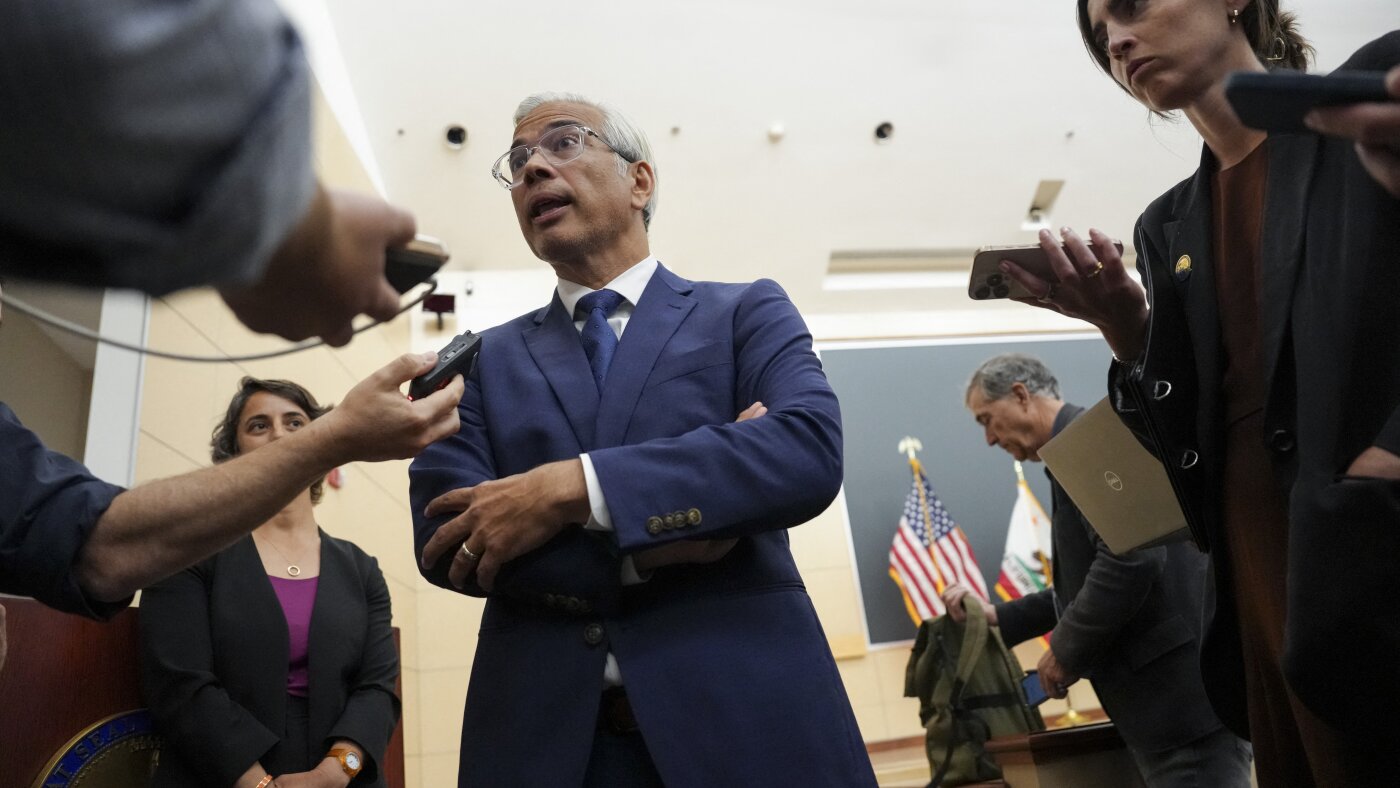
A New Mexico judge has ordered Meta to pay the state $25 billion after a jury found the company deceived consumers for years about its data privacy policies. Attorney General Raúl Torrez announced the judgment on Wednesday and called it "one of the largest, if not the single largest state verdict against a company in American history."
Judge Francis Mathew set the amount following the jury's verdict in September. The jury found that Facebook made false or misleading statements by telling users they controlled how their information was shared. It also found that the company misled users by claiming it did not sell or share personal information with advertisers.
According to the judge's ruling, the jury concluded that Meta's most senior leadership, including CEO Mark Zuckerberg and former chief operating officer Sheryl Sandberg, made misrepresentations about the service's privacy policies. Mathew wrote that the communications "were part of a coherent strategy designed to mislead the public."
The case centered on a third-party personality quiz that harvested data from roughly 87 million profiles. That data was sold to Cambridge Analytica, a political consulting firm, to generate targeted ads. New Mexico alleged that Facebook misled users about the breach. Forty-eight other states settled with Facebook in a nationwide case, but New Mexico pursued its own lawsuit in court.
The state's attorneys had asked for $35 billion to $40 billion, arguing that only a sum large enough to move Meta's stock price would change the company's behavior. The award is lower than that request.
Torrez said the judgment "should be a signal, an unambiguous message, to Silicon Valley." In a Wednesday statement he said the case "has always been about more than one company or one scandal," framing the question as whether corporations can mislead consumers about what happens to their personal information without meaningful consequences.
Under the New Mexico Constitution, fines for consumer protection violations go toward state education spending. Torrez said the money could pay for school construction "for the next 100 years." He also noted that the funds will be tied up if Meta appeals, which is widely expected.
The scale of the figure stands out against Meta's size. Meta is one of the largest companies in the world, which is why New Mexico's lawyers argued that a penalty has to be large enough to register with investors to work as a deterrent.
The Cambridge Analytica episode dates to the revelation that a personality quiz had pulled data from about 87 million Facebook profiles. Most states settled with Facebook over it in a nationwide deal, which makes New Mexico's decision to go to trial on its own the unusual part of this story.
Meta did not immediately respond to a request for comment. Investors appeared unmoved: Meta shares rose $13.56, or about 2%, to $707.81 in Wednesday afternoon trading.