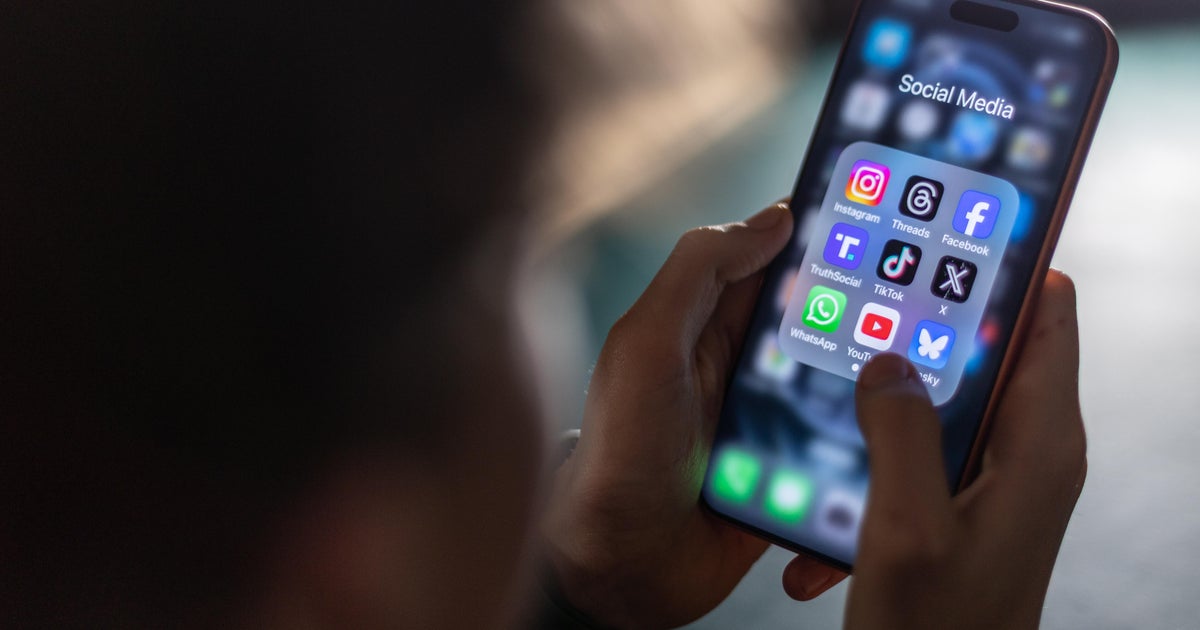
Snap Settles Teen Social Media Addiction Lawsuit on the Eve of Trial, the Last Defendant to Do So
Snapchat's parent company resolved claims from two teenagers days before opening arguments, after Meta, Alphabet and TikTok had already settled.

Topic
23 stories from Planck Standard. Latest: November 2, 2026.
Snapchat's parent company resolved claims from two teenagers days before opening arguments, after Meta, Alphabet and TikTok had already settled.
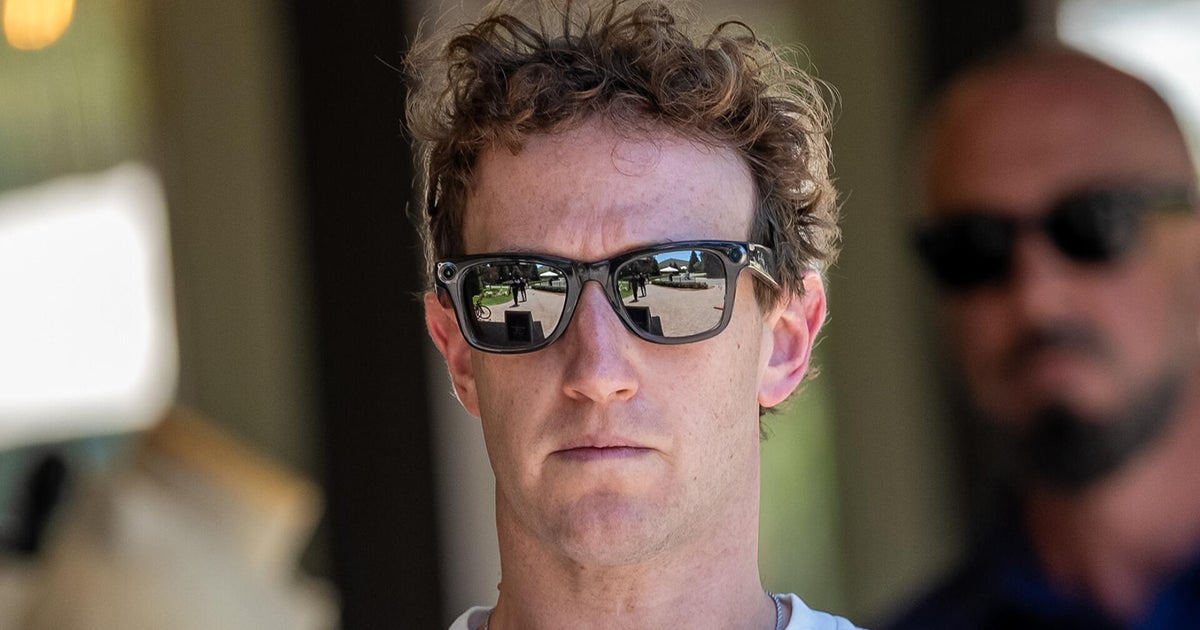
The 18-year-old plaintiff known as K.D.B. reached a deal on the eve of opening statements. Snap remains a defendant, and Meta still faces similar lawsuits.
Meta's regulatory filing says Proposition 40 would impose a one-time 5% levy, which the article estimates at $12.4 billion for the CEO. Meta also created a new class of nonvoting stock.
The ruling follows a September jury verdict that Facebook's most senior leaders misled users about their data. Attorney General Raúl Torrez calls it possibly the largest state verdict against a company in U.S. history.
Jurors found more than 2 million violations of state law after a two-week trial in Santa Fe, and the state wants the maximum $5,000 penalty for each one. Meta says it will keep fighting.

The deal, approved hours after it was filed, resolves claims from 51 attorneys general and forces changes to Facebook and Instagram that lawmakers spent years failing to legislate.

The 9th Circuit held that Section 230 is a defense against losing a case, not a shield against being sued at all. Meta's bid to pause the attorneys general trial was denied the same day.
Judge Bryan Biedscheid's remedies ruling follows a March jury finding that Meta knowingly harmed children's mental health. Most of the money goes to treatment services for young people.
The complaint filed Thursday in Delaware Superior Court says Livi Castro, 13, Riv Kelleher, 14, Nathaniel Chambers, 17, and Dawson Holden, 18, all developed compulsive platform use, severe sleep loss and suicidal thinking before their deaths. Meta booked $2.4 billion in legal expenses last quarter.

Platform's recent policy changes have resulted in a dramatic surge in hate speech directed at political figures, raising concerns about online safety ahead of major elections.

The tech giant quickly removed the capability after researchers discovered hidden facial recognition features in its Ray-Ban smart glasses software.
The social media giant claims the Israeli surveillance company has breached a court order by conducting fresh cyberattacks against WhatsApp users.

Cybercriminals successfully manipulated Meta's AI customer service system to gain unauthorized access to high-profile Instagram accounts.

The lawsuit alleges that Meta's messaging platform doesn't actually provide the privacy protections it advertises to users.
The Quest 3S entry-level headset rises to $349.99 on April 19, adding to a wave of consumer tech price hikes tied to AI-driven component shortages.

The tech giant deploys an artificial intelligence replica of its CEO for internal communications, raising questions about the future of executive-employee interactions.

Facebook's parent company added $21 billion to an existing $14.2 billion CoreWeave contract on the day of the US-Iran ceasefire, sending Nvidia shares up 4% and signaling the AI spending cycle is intact despite geopolitical turbulence.

A Los Angeles jury found Meta 70 percent and YouTube 30 percent responsible for harm caused to a young woman by addictive platform design, in the first social media addiction case to reach a jury verdict in the United States.
A California jury ruled Tuesday that Instagram and YouTube contributed to a young woman's depression and suicidal ideation, delivering the first merits-based liability verdict in what could become one of the biggest legal fights in American history.
Historic verdict establishes that social media giants profited from products designed to be dangerously addictive to children, setting precedent for future litigation.
Jury delivers verdict in civil trial accusing social media giants of designing dangerously addictive products targeting children.

Jury finds tech giants negligent for designing dangerously addictive platforms that hooked woman as a child, marking historic victory for social media safety advocates.

The job cuts come as Meta continues pivoting to artificial intelligence, drawing criticism over executive compensation timing.