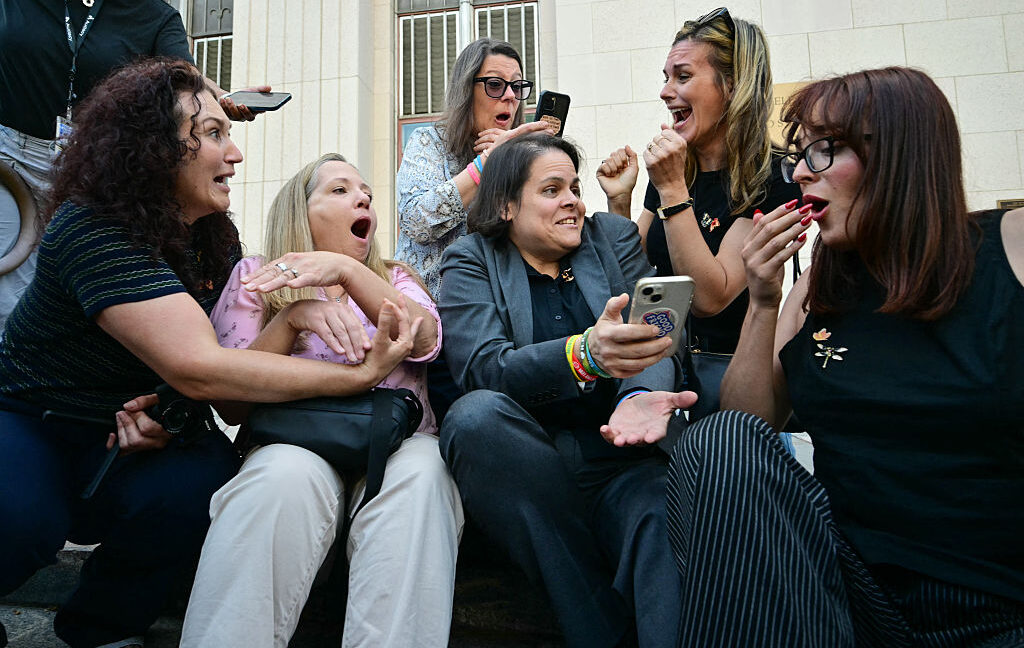
Jury Finds Meta and YouTube Liable for Social Media Addiction in Landmark $6 Million Verdict
A Los Angeles jury found Meta 70 percent and YouTube 30 percent responsible for harm caused to a young woman by addictive platform design, in the first social media addiction case to reach a jury verdict in the United States.

A Los Angeles jury found Meta and YouTube liable for causing harm through addictive platform design in a landmark verdict that marks the first time a social media addiction case has reached a jury verdict in the United States. The jury assigned 70 percent of liability to Meta and 30 percent to YouTube, awarding $6 million in damages to the plaintiff, a young woman who argued the platforms' algorithmic recommendation systems were deliberately engineered to maximize engagement at the expense of user mental health.
The verdict represents a watershed moment in the multi-district litigation that has been building for years as hundreds of cases from individuals, school districts, and state attorneys general accuse social media companies of knowing their products were psychologically harmful while concealing that knowledge and resisting reform. The Los Angeles trial was selected as a bellwether case to test the legal arguments and assess jury sentiment before the broader litigation proceeds.
The plaintiff's attorneys argued that Meta's Instagram and YouTube's recommendation algorithms were designed with full knowledge that endless scrolling, variable reward mechanisms, and personalized content feeds exploit the same neurological pathways as addictive substances. Internal company documents introduced at trial showed executives discussing user retention metrics in terms that plaintiffs argued demonstrated awareness of the addictive nature of the products. Both companies maintained that their platforms operate within legal boundaries and that users bear responsibility for how they choose to use the services.
The split verdict — with Meta bearing the larger share of liability — reflected the jury's assessment that Instagram's design features, including its curated feed and notification systems, were more directly implicated in the plaintiff's harm than YouTube's interface. Meta's attorneys immediately signaled they would appeal, arguing the verdict contradicts Section 230 of the Communications Decency Act, which provides broad immunity to internet platforms for user-generated content. Legal experts noted the appeal would raise critical questions about whether algorithmic amplification constitutes platform conduct that falls outside Section 230 protection.
The ruling is expected to trigger settlement discussions in hundreds of similar cases pending in courts across the country. State attorneys general in more than 40 states have filed their own suits against major social media platforms, and the verdict gives those cases new evidentiary and legal footing. The $6 million award, while modest relative to the companies' revenues, establishes the principle of liability that plaintiffs' attorneys argued is the essential first step toward meaningful accountability for the tech industry's impact on youth mental health.