Trump's Fed Pick Kevin Warsh Vows Fed Independence at Tense Senate Confirmation Hearing
Warsh promised not to be Trump's "sock puppet" but faces a crucial Republican obstacle — Senator Thom Tillis, who is blocking the nomination over a DOJ probe.
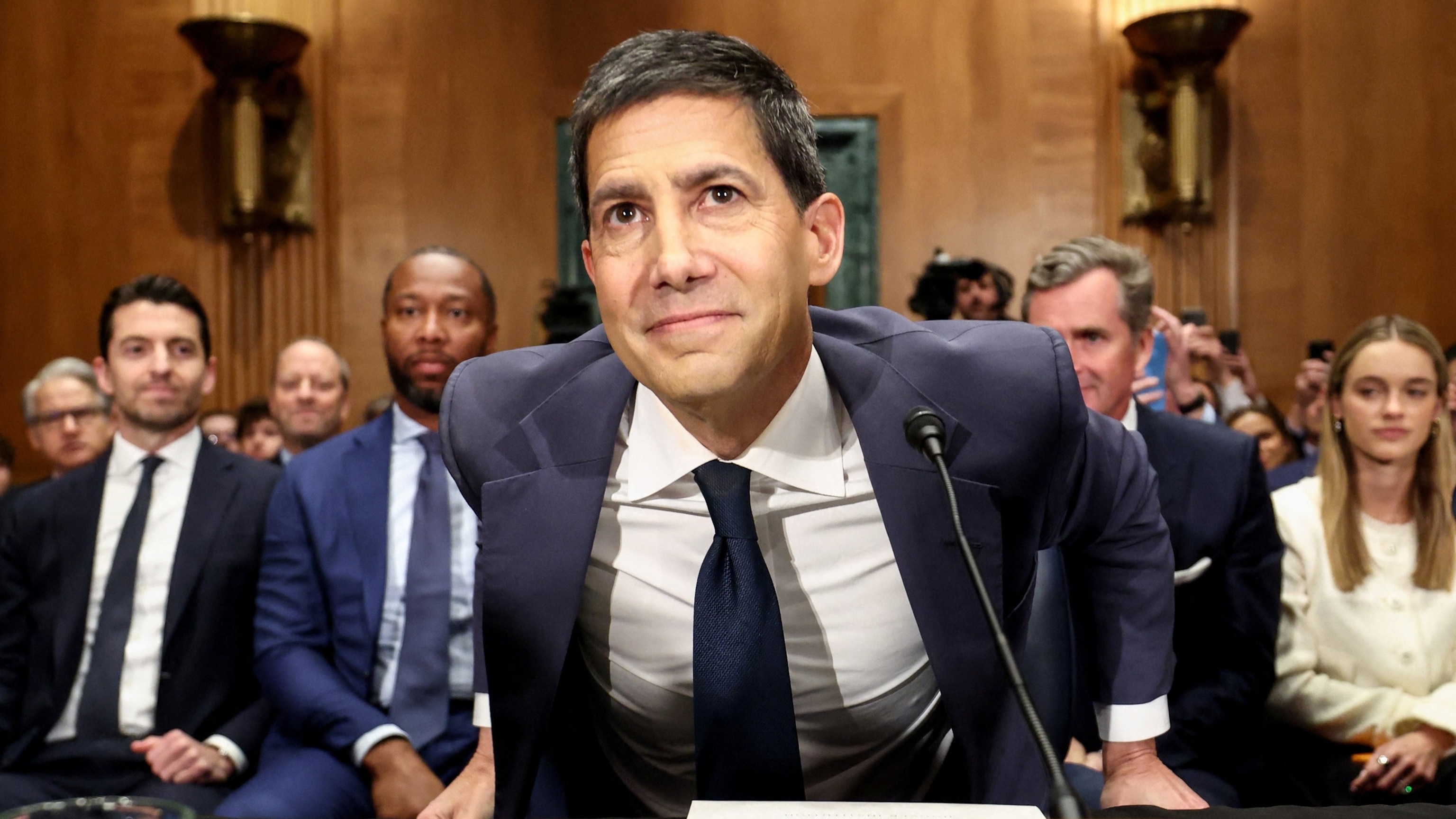
Kevin Warsh, the former Federal Reserve governor nominated by President Trump to chair the central bank, appeared before the Senate Banking Committee on Tuesday for his confirmation hearing, delivering a careful but pointed defense of the Fed's independence while avoiding direct confrontation with the president who selected him. Warsh told senators that the Federal Reserve's ability to conduct monetary policy free from political influence was not a bureaucratic nicety but a foundational requirement for the credibility that allows the central bank to control inflation and anchor long-term interest rates. He said he would not comply with any presidential directive to cut rates that he believed was inconsistent with the Fed's dual mandate of price stability and maximum employment.
The hearing, which lasted nearly five hours, exposed the central tension in Warsh's nomination: Trump has been publicly and aggressively pressuring the Fed to lower interest rates, calling current Fed Chair Jerome Powell too slow and too cautious, while Warsh was simultaneously pledging to be independent of presidential pressure. Democratic senators pressed Warsh repeatedly on whether he could credibly maintain that independence given that Trump had nominated him in apparent expectation that he would deliver lower rates. Warsh acknowledged the tension but said his track record as a Fed governor during the 2008 financial crisis demonstrated his willingness to make difficult decisions under pressure without regard to political preferences.
Warsh, 56, served as a Fed governor from 2006 to 2011 and was considered a hawk on inflation during his tenure, often dissenting in favor of tighter monetary policy than the committee majority preferred. His nomination surprised some market observers given that Trump's stated goal is lower borrowing costs and Warsh's reputation is as someone who errs toward caution on inflation. Some analysts interpreted the choice as a signal that Trump believed Warsh would be more politically pliable than Powell, while others suggested Trump's advisers had persuaded the president that credible inflation-fighting credentials were necessary to avoid a market panic.
On the specific question of current monetary policy, Warsh was careful not to prejudge decisions that would come before him if confirmed. He said he would approach each meeting with an open mind, examining the full body of economic evidence before forming a view. He declined to say whether he thought current rates were too high, too low, or appropriate, saying it would be inappropriate to comment before he was in a position to review the Fed's internal forecasts and analysis. Several Republican senators expressed satisfaction with his answers, while Democrats remained skeptical, with Senator Elizabeth Warren calling his independence pledges insufficient given the political circumstances of his nomination.
The confirmation vote is expected to occur in late May. If confirmed, Warsh would replace Powell when his term expires, becoming the first former Fed governor to return as chair since Paul Volcker. Financial markets have been watching the confirmation process closely, with bond traders particularly focused on whether Warsh's arrival would signal a shift toward more accommodative policy. The yield on the 10-year Treasury note has remained relatively stable through the nomination process, suggesting markets are not yet pricing in a significant departure from current policy direction.


