Internal Emails Reveal Officials Distorted Facts to Justify Deporting Haitians
California lawsuit exposes administration researcher privately disputed claims about Haitians while publicly supporting deportation policy.

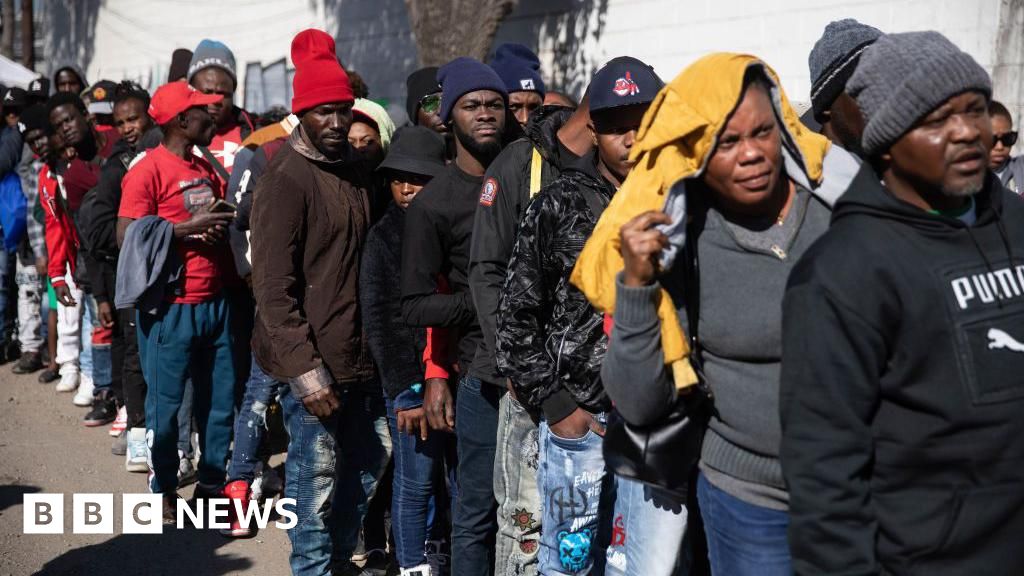
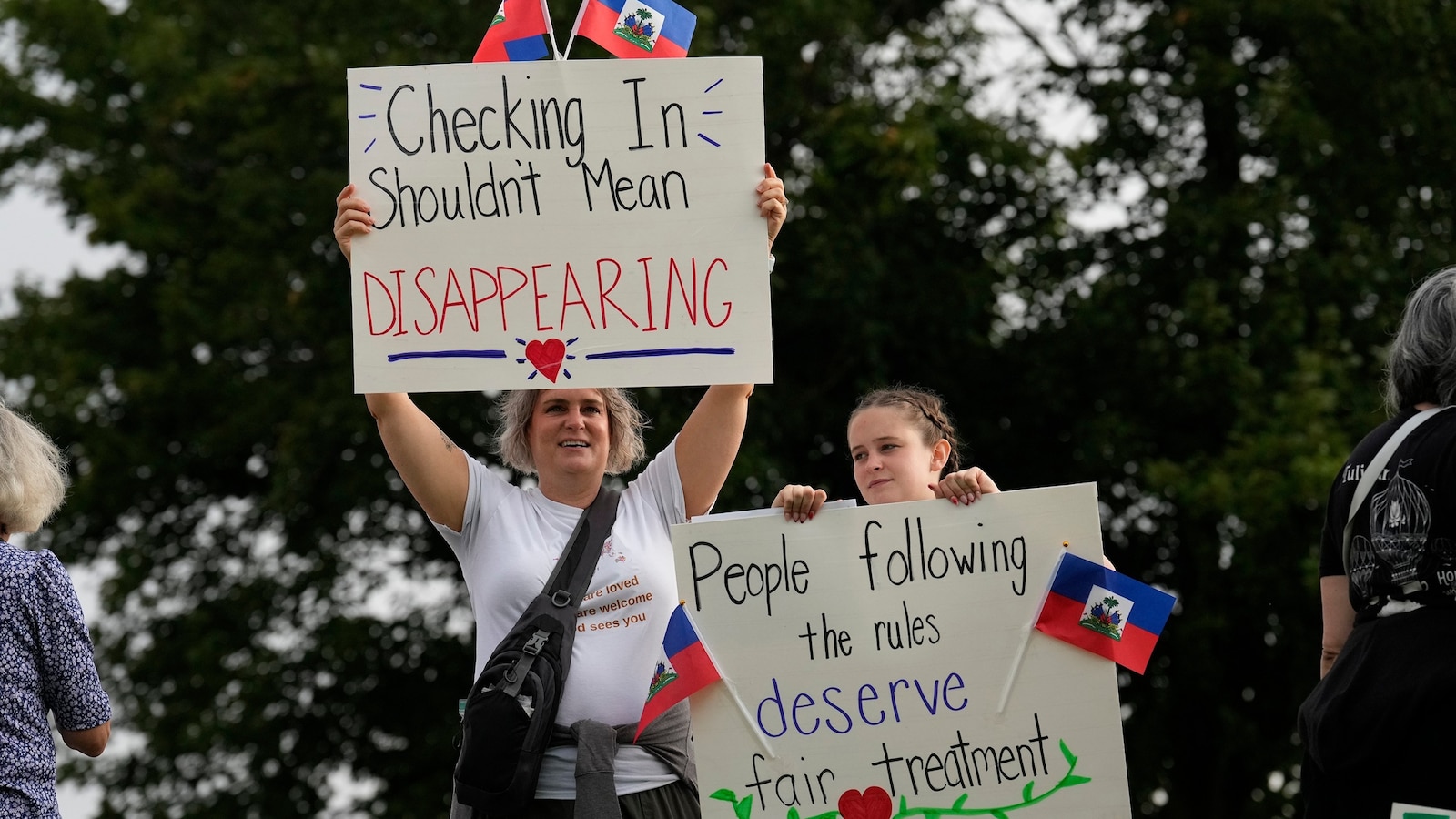
Internal government emails revealed in a California federal lawsuit show that Trump administration officials deliberately distorted facts about conditions in Haiti to justify terminating Temporary Protected Status (TPS) for Haitians, despite having access to contradictory evidence from their own researchers. The emails, now submitted to the Supreme Court as evidence in a pivotal immigration case, demonstrate that administration officials privately acknowledged information that undermined their public justifications for ending protections that allowed approximately 60,000 Haitians to remain legally in the United States.
The documents reveal that an administration researcher privately disputed official claims about improved conditions in Haiti, noting that the country continued to face significant challenges including political instability, natural disasters, and inadequate infrastructure. However, these internal assessments were not reflected in the administration's public decision-making process when it moved to terminate TPS for Haitians in 2017. The emails suggest a pattern of selective use of evidence to support predetermined policy outcomes rather than objective analysis of conditions on the ground.
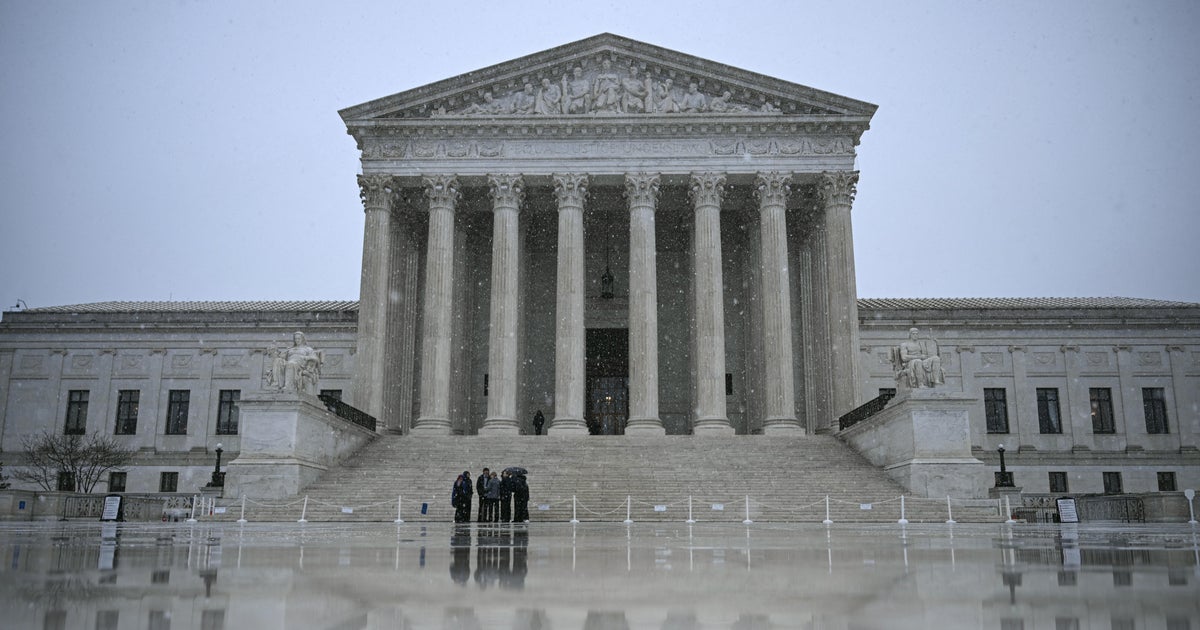
The revelations have taken on heightened significance as the Supreme Court prepares to hear arguments on the broader TPS program, which provides temporary protection for immigrants from countries experiencing armed conflict, natural disasters, or other extraordinary circumstances that make return unsafe. The case centers on whether the administration properly followed legal procedures when ending TPS designations for Haiti and Syria, decisions that would force hundreds of thousands of immigrants to either leave the United States or risk deportation.
Legal experts describe the email evidence as potentially damaging to the administration's defense of its TPS policies. "These documents suggest that the decision-making process was driven by predetermined policy goals rather than objective assessment of country conditions," said immigration law professor Sarah Martinez of UCLA Law School. The emails could influence the Supreme Court's evaluation of whether the administration's TPS terminations were based on legitimate policy considerations or were arbitrary and capricious.
The TPS controversy represents a key component of President Trump's broader immigration agenda, which has emphasized record-high deportation numbers and stricter enforcement of immigration laws. The administration has argued that TPS was never intended to provide permanent protection and that conditions in designated countries have improved sufficiently to allow safe return. However, the internal emails suggest that administration officials may have overstated improvements while downplaying ongoing risks, raising questions about the integrity of the decision-making process that could affect hundreds of thousands of immigrants currently living in legal limbo.