Hundreds of Haitians in Ohio Reported to an ICE Office as Ordered. Many Walked Out Wearing Ankle Monitors
Call-in letters began arriving in Springfield on July 27, days after a federal court lifted the last hold on ending Temporary Protected Status for roughly 350,000 Haitians. Advocates say the GPS bracelets are being issued to people who entered the country legally.
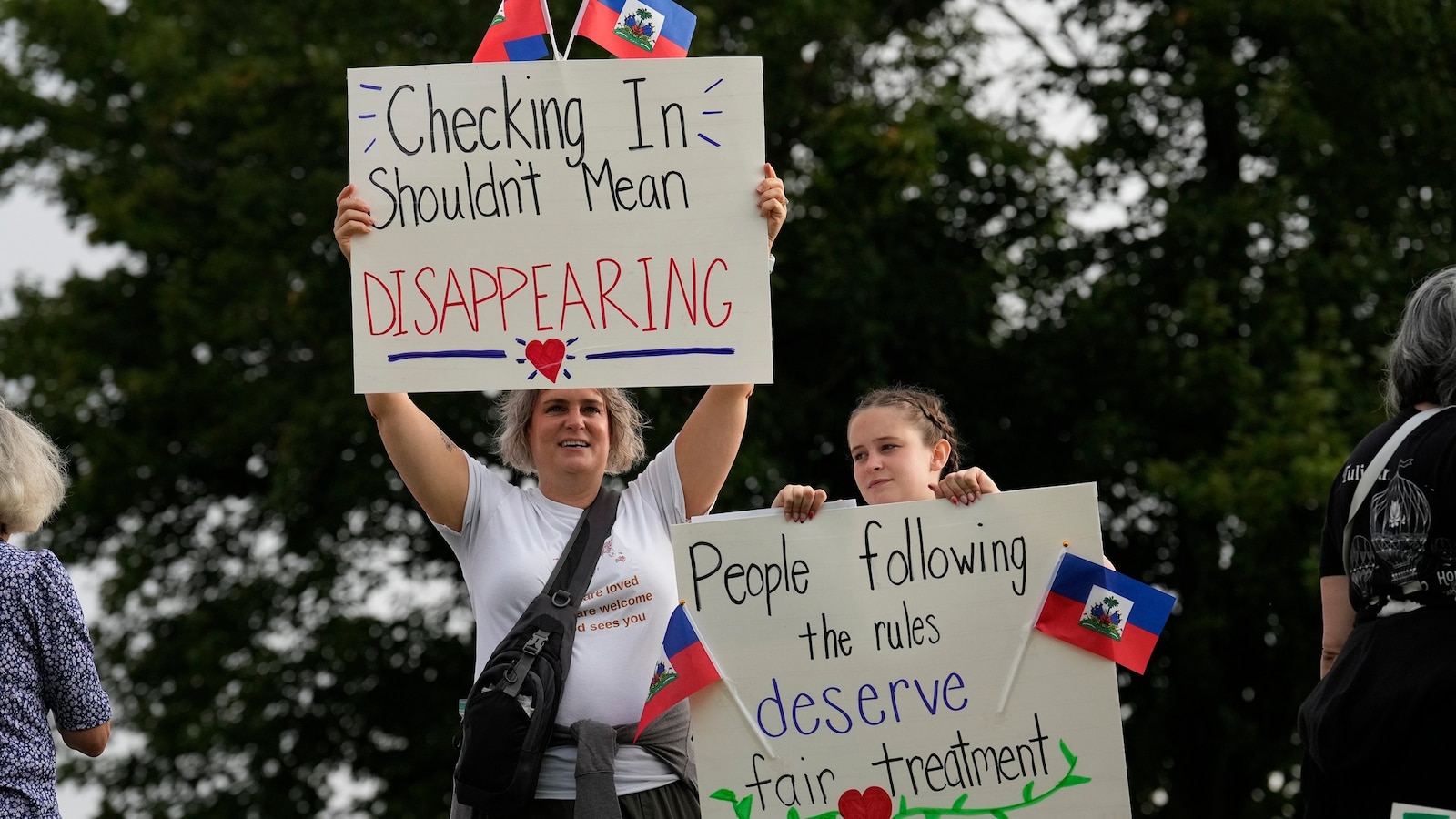
The letters arrived in Springfield, Ohio, starting July 27. They were addressed to Haitian immigrants, they carried the Department of Homeland Security seal, and they instructed the recipient to appear in person at an Immigration and Customs Enforcement office in Blue Ash, a suburb on the north side of Cincinnati, roughly 70 miles away. Hundreds complied. On Sunday, August 9, another group filed in for their appointments. According to immigration advocates working with the community, a substantial share of the people who reported that day left the building with a GPS ankle monitor strapped above one foot and a future immigration court date in hand.
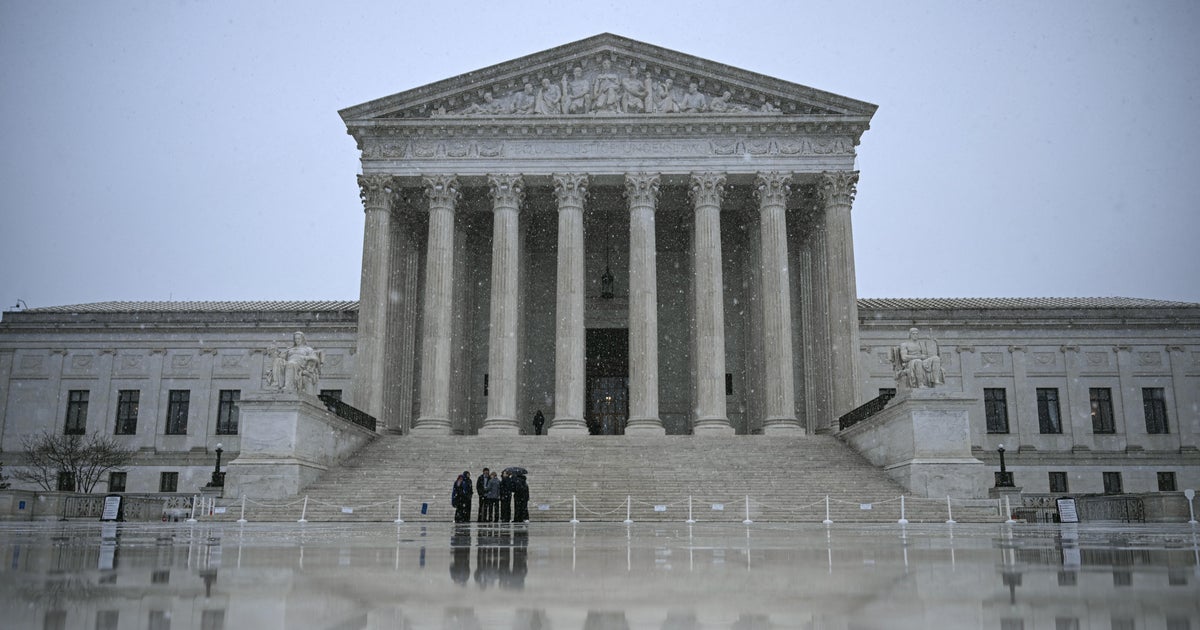
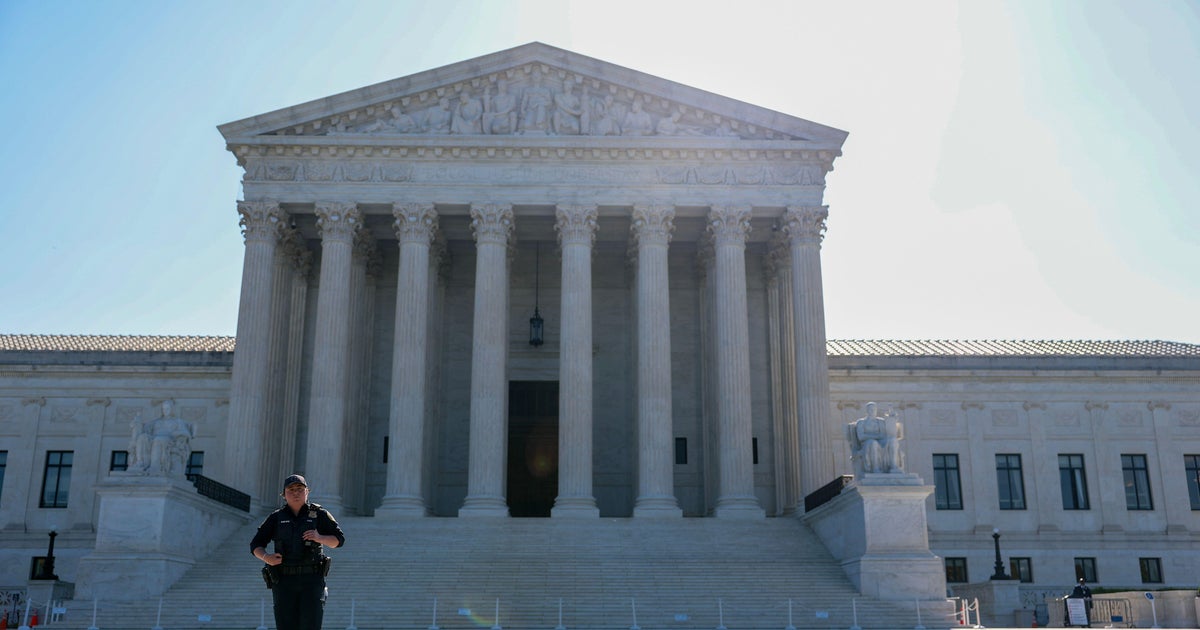
The check-ins are the operational end of a legal fight that ran for most of the past year. In June, the Supreme Court cleared the Trump administration to terminate Temporary Protected Status for approximately 350,000 Haitians, a designation that had shielded them from deportation and, for most, granted work authorization. A separate federal court order on July 27 lifted the last stay blocking the revocation from taking effect. The call-in letters went out within days of that ruling.
Viles Dorsainvil, executive director of the Haitian Community Help and Support Center in Springfield, has been accompanying people to the Blue Ash office. "We are just helping these folks to go to this appointment, and when they get there, they interview them," he said. He has been blunter about what happens next. The bracelets, he said, are "a new humiliation. That is something you do with criminals." Dorsainvil has pressed one point repeatedly: the people being fitted with monitors entered the United States legally, most through the Biden-era humanitarian parole program, and many have asylum claims still pending before a judge.
The Department of Homeland Security has not disputed that check-ins are happening or that monitors are being issued. In a statement, the agency said the program was never meant to last. "Temporary Protected Status is exactly that -- temporary," a DHS spokesperson said. "For too long, TPS has been allowed to function as a de facto amnesty program." The ankle monitors themselves are not new hardware. They are part of a long-running ICE initiative known as Alternatives to Detention, which supervises people in the community rather than holding them in a facility, and which the agency has expanded sharply as its detention beds have filled.
What is unusual, according to advocates, is the geography. Dorsainvil said he is not aware of comparable mass monitoring of Haitian TPS holders in other American cities with large Haitian populations, which has left Springfield residents wondering whether they are being singled out. Springfield, a city of roughly 58,000 in western Ohio, absorbed several thousand Haitian arrivals over the past five years and became a national political flashpoint in 2024.
The practical fallout is already uneven. Some of those summoned have lost their work permits along with their TPS, cutting off income in households that depend on warehouse and manufacturing shifts. Others, whose asylum applications are still active, retain employment authorization through that separate channel and can keep working while wearing the device. Everyone in both categories now has a court date, and no guarantee about what happens on it.