Two Judges, Two Days, Two Countries: Deportation Protection Ends for South Sudanese and Burmese Immigrants
A June Supreme Court decision stripped federal courts of the power to second-guess DHS on Temporary Protected Status. Judges in Boston and Chicago said, in effect, that there was nothing left for them to review.
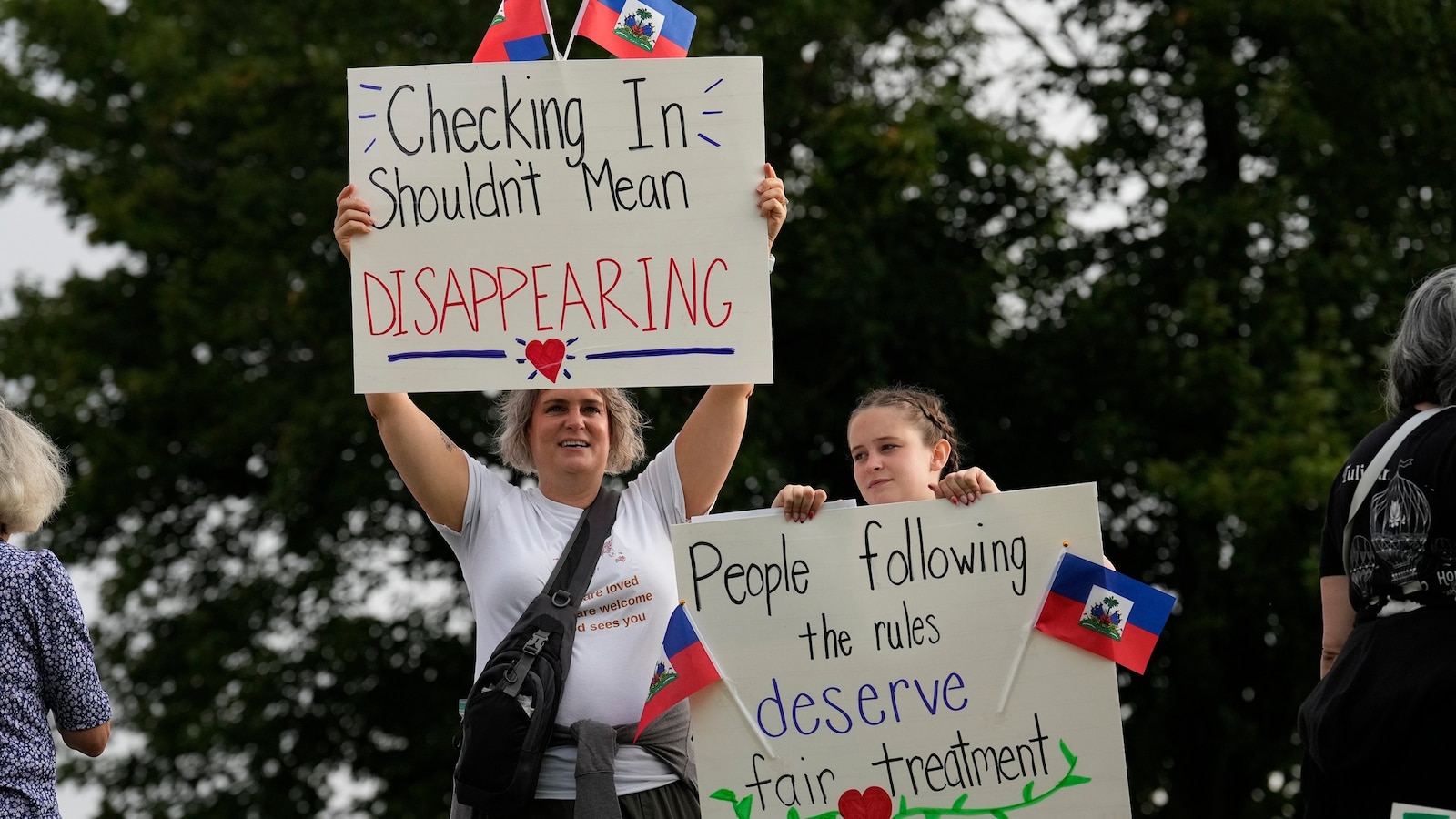
Temporary Protected Status ended for immigrants from South Sudan and Burma this month after two federal judges declined to stand in the administration's way, clearing the last legal obstacles to deportation for thousands of people who had been shielded from removal for years.
In Boston, U.S. District Judge Patti B. Saris rejected a last-ditch effort by immigrant-rights lawyers to keep South Sudan's designation alive, denying a request to amend their lawsuit. Several hundred South Sudanese nationals hold the status. In Chicago, U.S. District Judge Matthew F. Kennelly of the Northern District of Illinois dismissed new claims in the parallel Burma case on August 7, allowing the Department of Homeland Security to terminate protection for nearly 4,000 people from that country. U.S. Citizenship and Immigration Services has since announced that work authorization tied to both designations is no longer valid.
Neither ruling turned on whether South Sudan or Burma is safe. Both turned on a Supreme Court decision issued in June, Mullin v. Doe, which held that DHS has the authority to end TPS designations and that the governing statute largely bars judicial review of nonconstitutional challenges to those decisions. That ruling collapsed a line of lower-court injunctions that had kept several designations in place, and it converted what had been contested factual questions about country conditions into questions judges no longer have standing to ask.
"The court did not find that South Sudan is safe to return to," said Krish O'Mara Vignarajah of Global Refuge. "It found that federal judges have been stripped of the power to even ask if the country is safe." A DHS spokesperson defended the terminations, saying "TPS was never designed to be permanent" and pointing to what the department described as renewed peace in South Sudan.
The South Sudan case had briefly gone the other way. On July 25 a judge froze the administration's attempt to end the designation, prompting DHS to accuse the court of open defiance. That freeze is now gone. Burma's protection dated to 2021, granted after the military coup that deposed the country's elected government; South Sudan has held a designation, on and off, since the world's youngest country descended into civil war.
The two decisions extend a list that has grown steadily through 2026. Protection has now been terminated for nationals of Haiti, Syria, Yemen, Nicaragua, Afghanistan, Nepal, Cameroon, Honduras, Venezuela, Burma and South Sudan. Cases involving Somalia and Ethiopia remain pending. Lebanon's designation was temporarily extended through November. Taken together, the terminations affect hundreds of thousands of people, the overwhelming majority of them from Haiti and Venezuela, whose designations the Supreme Court cleared the administration to end in a 6-3 ruling in June.
For the people covered by this week's rulings, the practical consequences arrive quickly. TPS holders lose their work permits along with their protection, which means the loss of legal employment typically precedes any removal proceeding. Advocacy organizations have urged those affected to seek screening for asylum or other relief, though the timelines are short and, in the case of asylum, the one-year filing deadline has long since passed for most people who arrived under a TPS designation.