Judge Freezes Trump's Bid to End Deportation Shield for South Sudanese, and DHS Calls It 'Open Defiance'
U.S. District Judge Patti Saris put the termination of South Sudan's Temporary Protected Status on hold weeks after the Supreme Court told lower courts to stay out of TPS decisions.
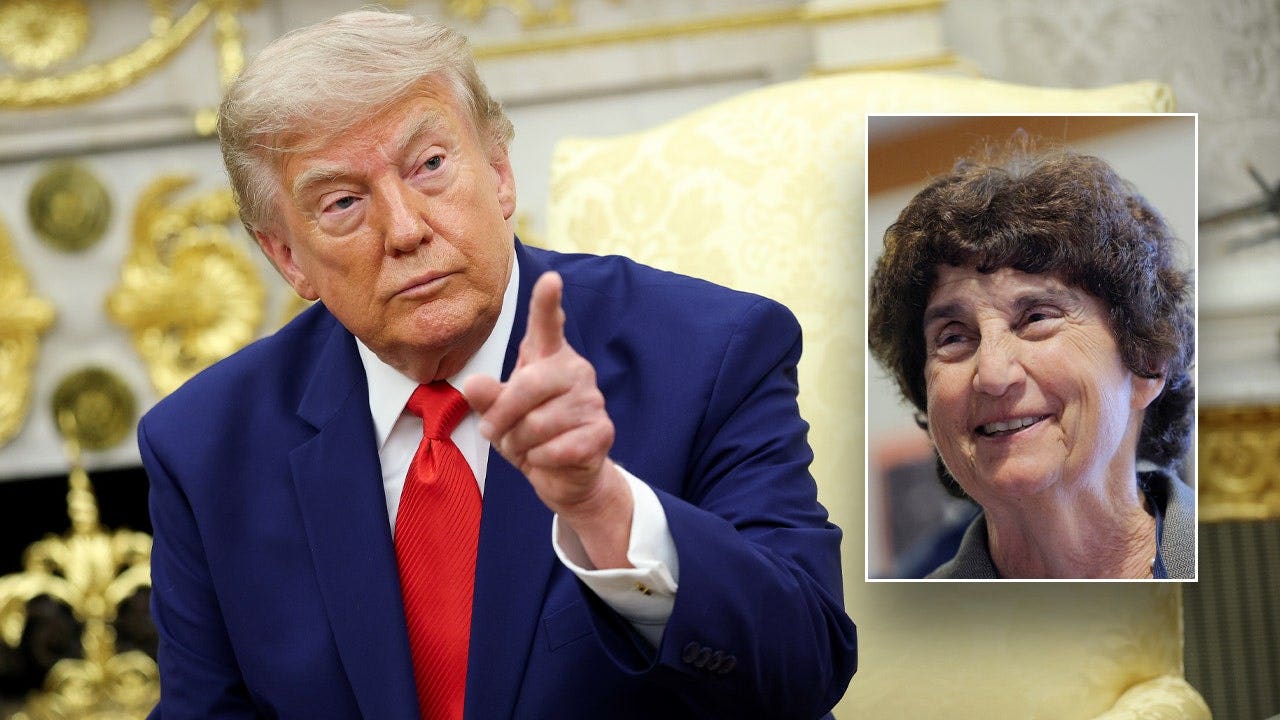
A federal judge in Massachusetts on Thursday froze the Trump administration's decision to strip deportation protections from South Sudanese nationals living in the United States, setting up a direct confrontation with a Supreme Court ruling issued only weeks ago.
U.S. District Judge Patti Saris issued an administrative stay in a case brought by African Communities Together and individual South Sudanese Temporary Protected Status holders. Her order treats the Department of Homeland Security's November 6, 2025 termination of the country's TPS designation as "null, void, and of no legal effect" while she decides whether the plaintiffs may amend their lawsuit to press constitutional claims rather than the administrative ones the Supreme Court has now closed off.
The response from the administration was immediate and unusually blunt. DHS General Counsel James Percival wrote that "another rogue district judge just postponed the termination of TPS for South Sudan," adding: "This is open defiance of the Supreme Court, plain and simple!" Department officials have argued throughout the litigation that the program was built as a temporary measure and that conditions in South Sudan no longer justify a blanket shield. "TPS was never designed to be permanent," DHS spokeswoman Tricia McLaughlin said when the termination was announced.
The Supreme Court decision the administration is invoking came down last month in Mullin v. Doe, where a 6-3 majority held that the TPS statute bars federal courts from reviewing Administrative Procedure Act challenges to decisions designating or ending protected status. That ruling cleared the way for the administration to wind down TPS for several countries and was widely read as removing the courts from the process almost entirely. Saris's order tests the edge of it: the plaintiffs argue that constitutional claims — including due process and equal protection theories — survive the ruling even though statutory ones do not.
The South Sudan designation covers a comparatively small group. Court filings from an earlier round of the case described roughly 232 people holding status under the designation and about 73 more with applications pending. But the legal question is far larger than the population, because at least half a dozen other terminations are moving through the same pipeline, covering hundreds of thousands of Haitians, Venezuelans, Hondurans and others.
South Sudan, which became independent in 2011, has cycled through civil war, famine and a collapsing peace deal, and the State Department continues to warn Americans against travel there. Immigration advocates say sending people back now would be a death sentence for some. The Justice Department is expected to seek emergency relief from the First Circuit, and the dispute appears headed back to the Supreme Court, this time over how much of a lawsuit survives when the statutory door is shut.