Houthis Strike Two Saudi Oil Tankers in the Red Sea, Sending Brent Crude Above $100
Brent settled at $100.69 after jumping 6.1% — its first close above $100 since May — as the national gasoline average hit $4.09 a gallon and Wall Street sold off across the board.

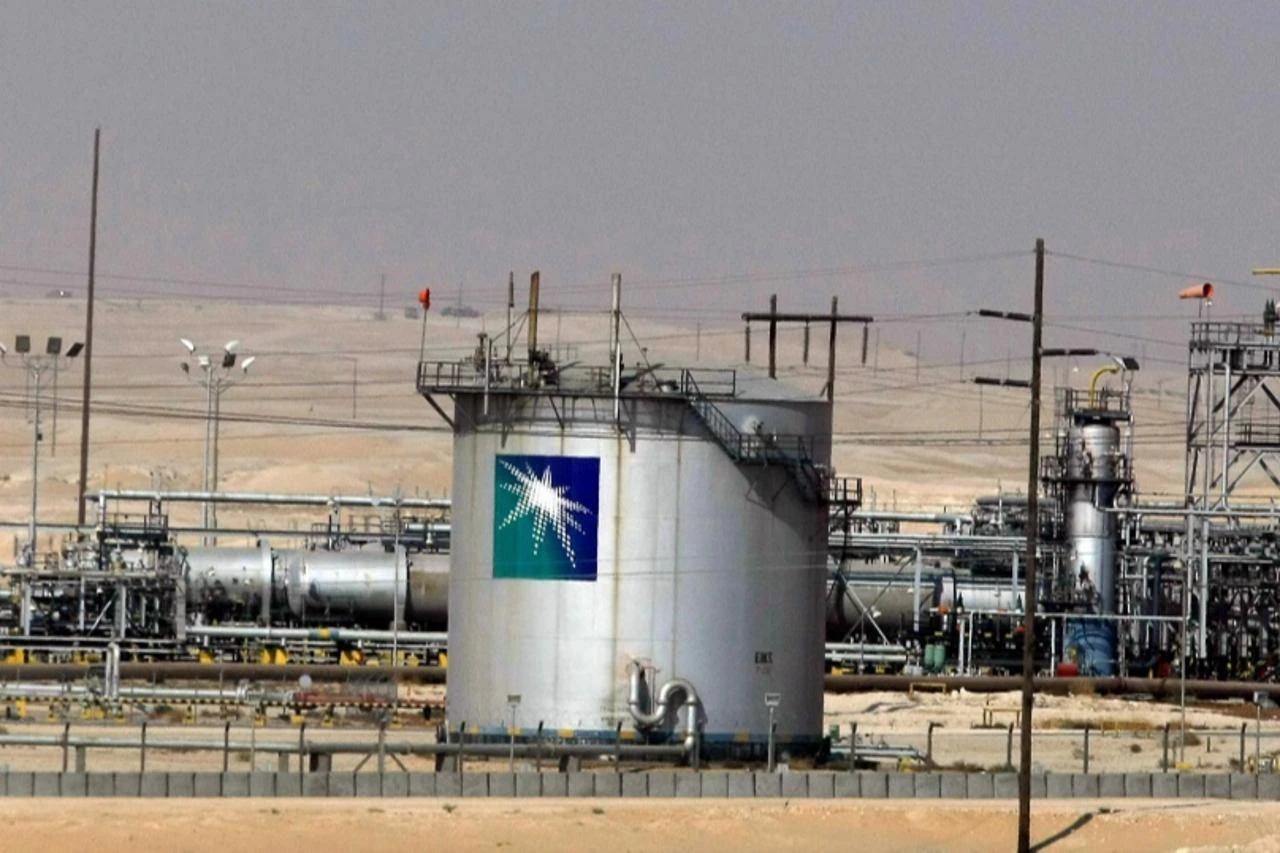
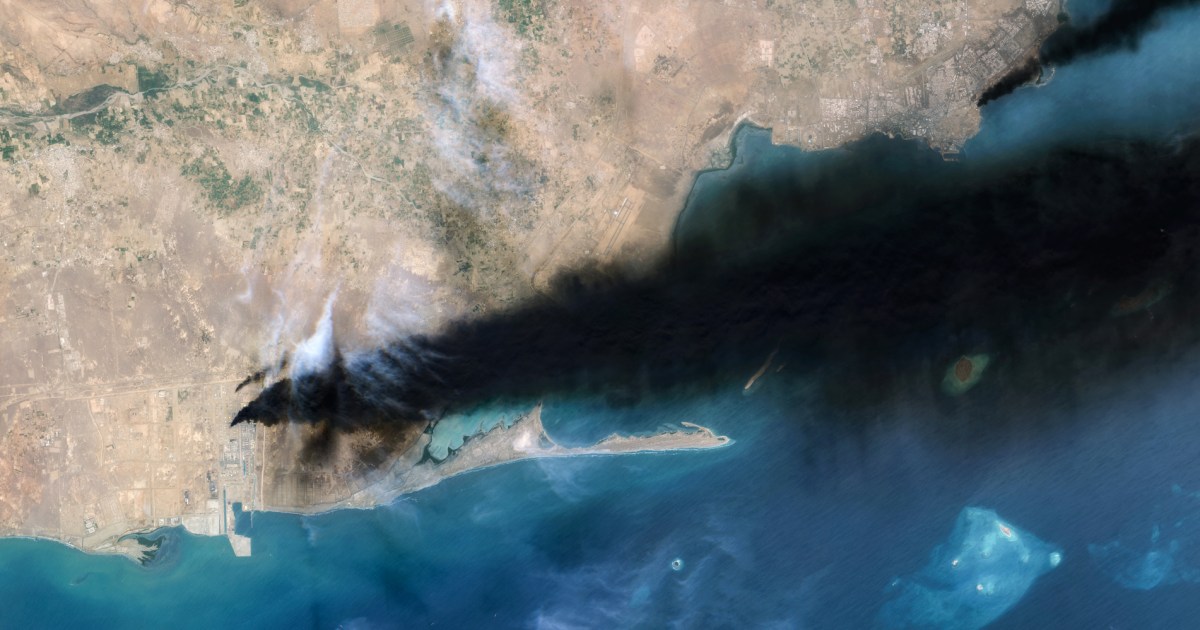
Global oil prices punched through $100 a barrel on Thursday after Iran-backed Houthi rebels said they had struck two Saudi Arabian oil tankers in the Red Sea, an attack that pushed the widening Middle East war directly into one of the world's most important shipping lanes.
Brent crude, the international benchmark, rose $5.76, or 6.1%, to settle at $100.69 a barrel, according to FactSet data. It was the first settlement above $100 since May 22. The move rippled almost immediately into American wallets: the national average price of gasoline reached $4.09 a gallon on Thursday, up from $3.94 a week earlier, according to AAA.
The Houthis claimed the tanker strikes on Wednesday, days after the group declared a naval blockade of Saudi Arabia. The attacks threaten traffic through the Bab el-Mandeb Strait, the narrow passage between Yemen and the Horn of Africa that links the Red Sea to the Gulf of Aden and carries roughly 7% of the world's oil supply, according to Oxford Economics. With the Strait of Hormuz already disrupted by the U.S.-Iran war, traders are now watching two chokepoints at once — a combination the market has not had to price in for decades.
Equities took the hit. The S&P 500 fell 91 points, or 1.2%, to close at 7,408, while the Dow Jones Industrial Average slid 507 points, or 1%, to 51,712. The tech-heavy Nasdaq Composite dropped 2.2%. The yield on the 10-year Treasury note climbed to 4.71% as investors repriced the inflation outlook.
That repricing lands squarely on the Federal Reserve, which meets July 29. Resurgent energy costs threaten to push inflation higher just as policymakers had begun signaling relief. According to CME FedWatch, which infers expectations from 30-day fed funds futures, the market-implied probability of a rate increase at the July meeting jumped to 36%, up from about 11% a week earlier. "Rate cuts investors were counting on for later this year look a lot less certain today than they did even a week ago, and then they were on shaky ground," Nigel Green, chief executive of the investment firm deVere Group, said in an email.
The war showed no sign of cooling. The United States has now carried out consecutive nights of strikes on targets across Iran, and Iranian forces retaliated Friday against U.S. military positions in Bahrain, Kuwait and Jordan. Washington has increased the number of refueling aircraft deployed to Israel, and open-source flight-tracking data showed American B-1 bombers departing the United Kingdom.
Analysts warn the risk is skewed higher. Tobin Marcus of Wolfe Research noted that Saudi Arabia has been routing more crude through its East-West pipeline to the Red Sea port of Yanbu — roughly 4.5 million barrels a day that Houthi attacks now put in play. Goldman Sachs analyst Daan Struyven wrote that Brent could climb back above $120 in the fourth quarter if Hormuz remains disrupted, while cautioning that weaker Chinese crude imports may cap the upside.