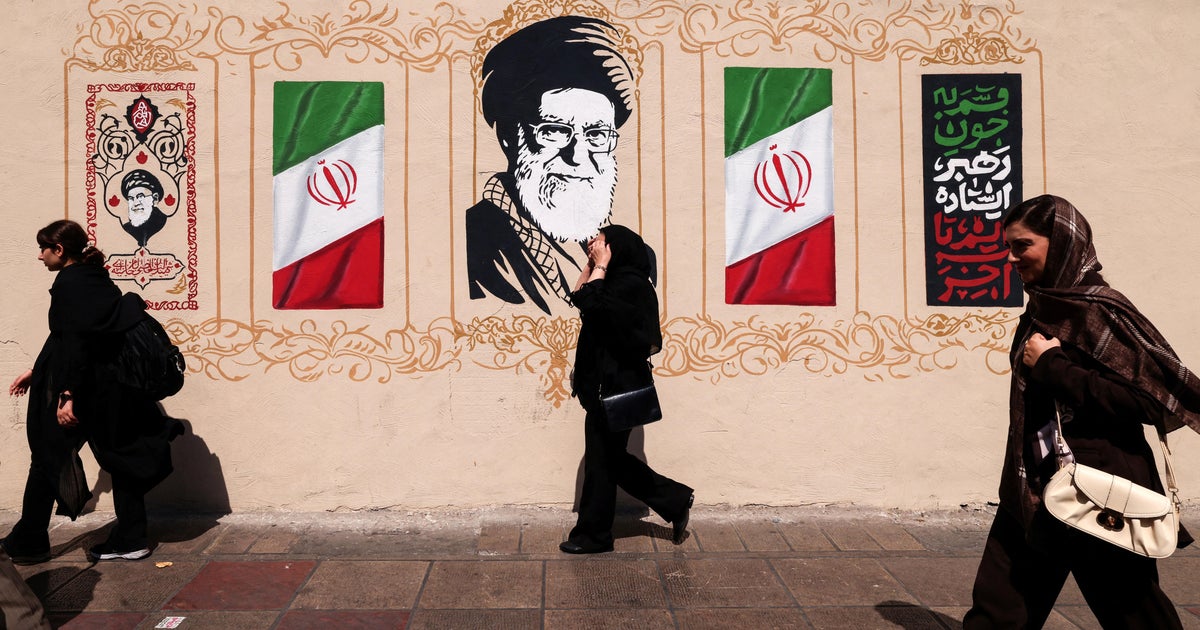
U.S. Pounds Iran for an 11th Straight Night as Tehran Strikes Back at Gulf Bases
Iran launched Arash suicide drones at American installations in Jordan and Bahrain hours after U.S. Central Command reported a 75-minute barrage, and President Trump threatened to hit a suspected nuclear site 'pretty soon.'
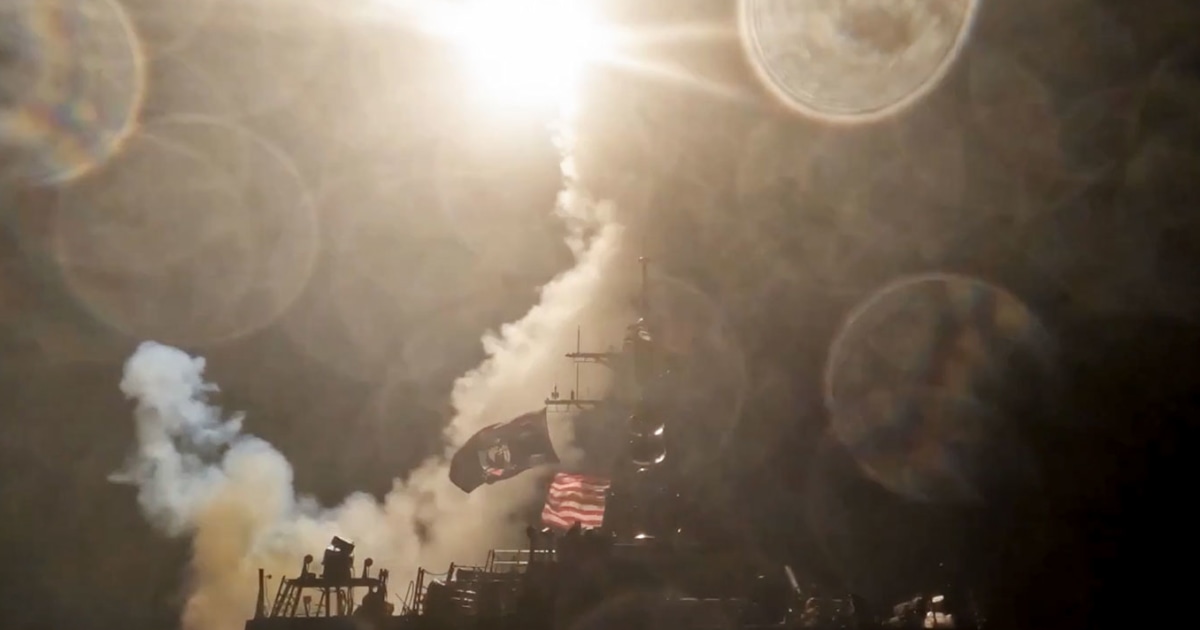
The United States bombed targets across Iran for an 11th consecutive night, U.S. Central Command said Wednesday, in a roughly 75-minute barrage that deepened a conflict now grinding into its third week with no diplomatic off-ramp in sight. Hours later, Iran's army said it had struck back at American installations ringing the Persian Gulf, launching Arash suicide drones at bases in Jordan and Bahrain.
Iranian forces said they hit accommodation buildings and equipment-storage facilities at the Al Azraq air base in Jordan, then targeted maintenance hangars and warehouses at the Sheikh Isa Air Base in Bahrain. Iran also claimed drone attacks on U.S. facilities in Kuwait. There was no immediate independent confirmation of casualties or damage, and the Pentagon did not detail the results of the overnight American strikes beyond CENTCOM's confirmation that they had been carried out.
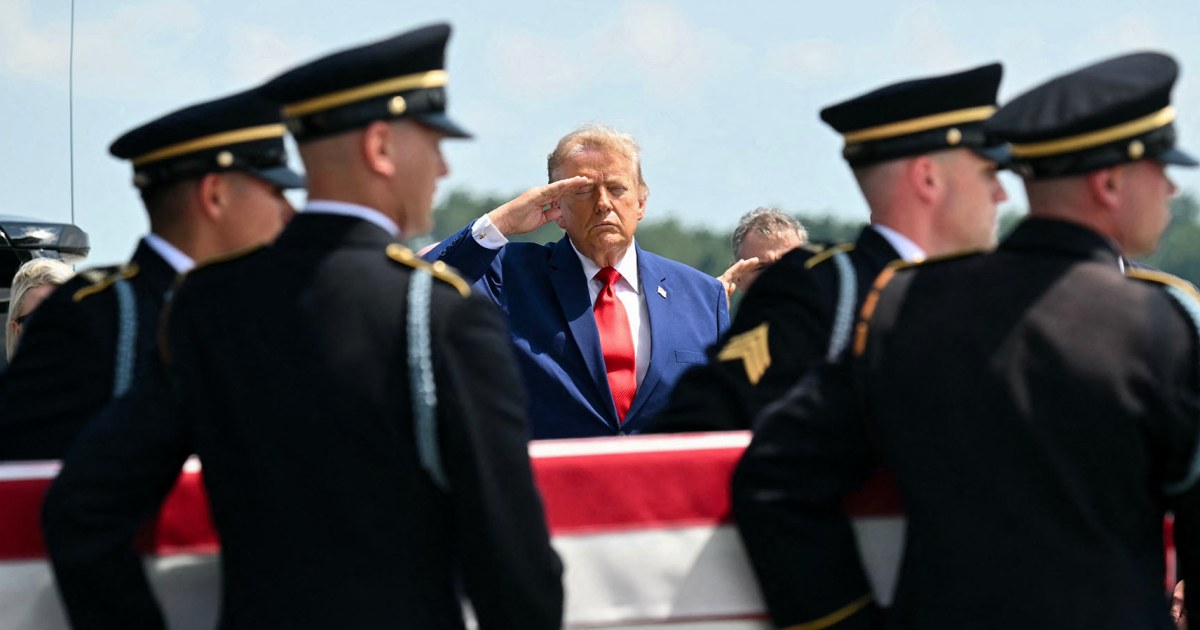
President Donald Trump escalated the rhetoric further, warning that the U.S. would soon strike Pickaxe Mountain, a heavily fortified site that Western analysts suspect is tied to Iran's nuclear program. "We'll be hitting that area probably pretty soon," Trump told reporters, a threat that would push the campaign from Iran's military and energy infrastructure toward the country's most closely guarded nuclear facilities.
The financial and human cost of the war is climbing fast. Defense Secretary Pete Hegseth told senators the conflict has already cost roughly $37.5 billion and asked Congress for as much as $70 billion in emergency funding to sustain the air campaign and replenish munitions stocks that have been drawn down at a punishing rate. Lawmakers in both parties have begun pressing the administration for a clearer definition of the mission and its endgame.
Diplomatic channels remain open but frozen. Secretary of State Marco Rubio said the administration is willing to negotiate, but accused Tehran of not being serious about talks even as its drones and missiles continued to fly. Iranian officials, for their part, have insisted they will not come to the table while American bombs are falling, leaving the two sides locked in a cycle of strike and counterstrike.
The exchange over the Gulf marks a dangerous widening of the war beyond Iranian soil, drawing in the host nations of American bases and raising the risk of a miscalculation that could pull the wider region into open conflict. Gulf governments, many of which have spent years balancing ties with both Washington and Tehran, now find their own territory in the crossfire as the eleventh night of bombing gives way to a twelfth.