U.S. Warplanes Strike Iranian Radar and Drone Sites After Tehran Downs American Drone; Kuwait Hit in Retaliation
CENTCOM says the “measured and deliberate” strikes near Goruk and Qeshm Island followed the shootdown of an MQ-1 Predator, as Iranian fire wounded U.S. personnel in Kuwait and rattled a fragile ceasefire.

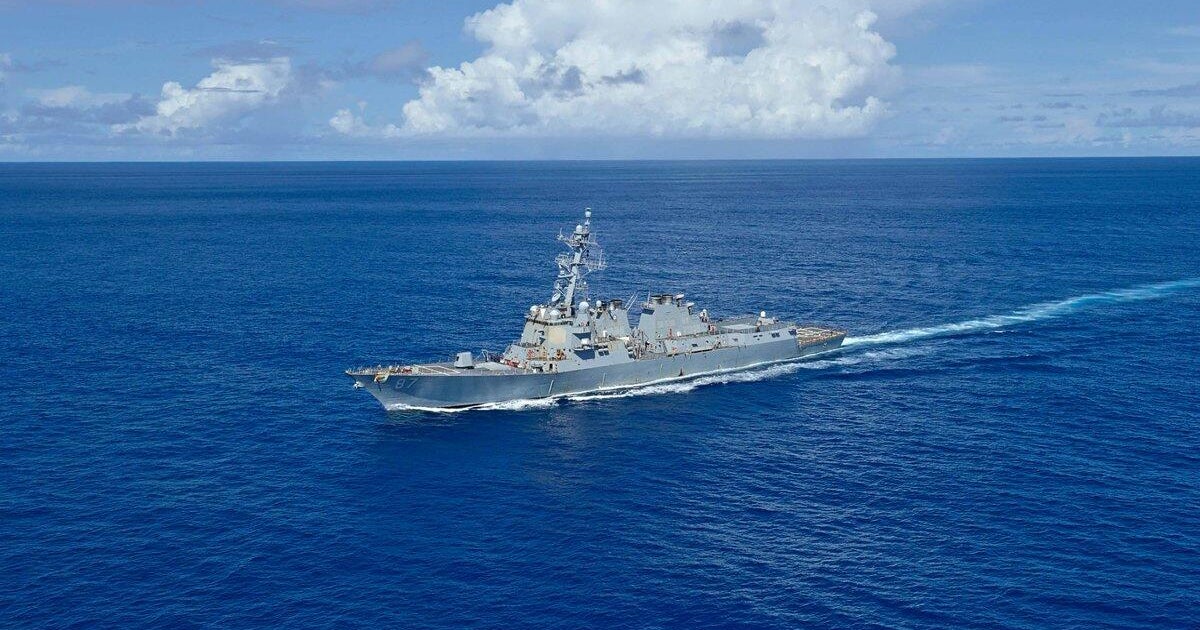
U.S. fighter aircraft bombed Iranian radar installations and drone-control facilities over the weekend after Tehran shot down an American MQ-1 Predator drone flying over international waters near the Strait of Hormuz, the most serious test yet of a fragile ceasefire that has repeatedly frayed since it took hold on April 17.
U.S. Central Command said the strikes, carried out Saturday and Sunday, were "measured and deliberate" and aimed squarely at Iranian military assets that threatened shipping in the Persian Gulf. "U.S. fighter aircraft swiftly responded by eliminating Iranian air defenses, a ground control station, and two one-way attack drones that posed clear threats to ships," CENTCOM said in a statement. The strikes hit sites near the southern port city of Goruk and on Qeshm Island, a strategically vital piece of land that sits astride the narrow waterway through which roughly a fifth of the world's oil passes.
The escalation began hours earlier when American forces fired a Hellfire missile into the engine room of the M/V Lian Star, a Gambia-flagged commercial vessel that U.S. officials said had ignored 20 warnings while attempting to reach an Iranian port in defiance of a U.S.-led naval blockade. The Pentagon says it has now disabled at least five ships and redirected 116 others since the blockade began. Iran has cast the campaign as an act of war and a violation of the truce.
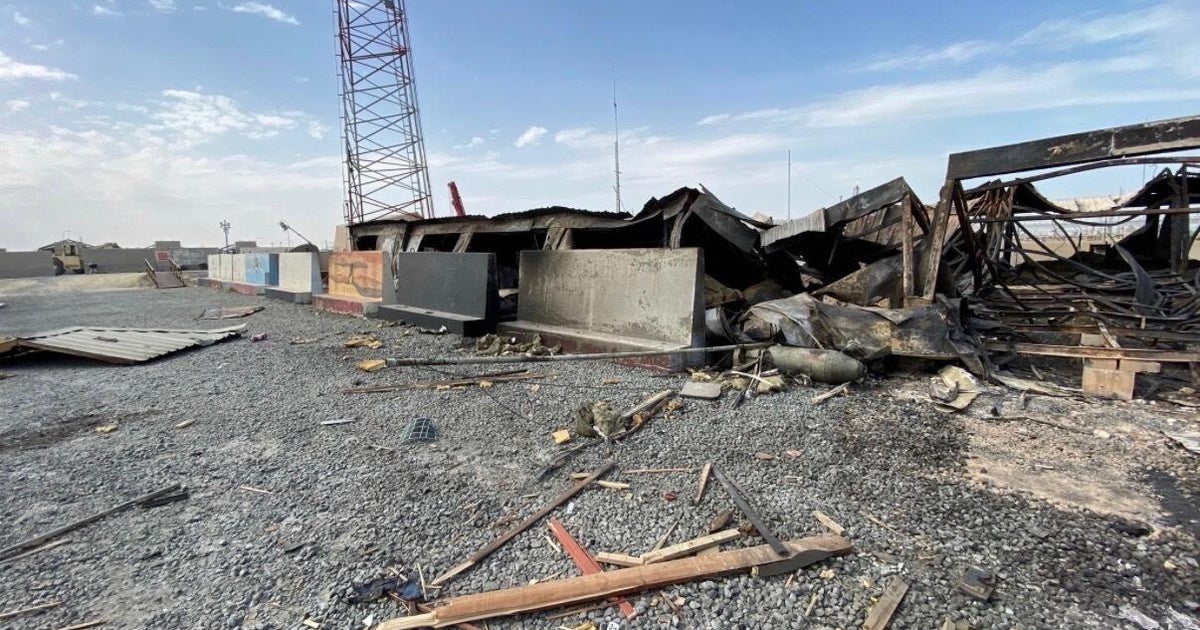
Iran's response was swift. Air-raid sirens sounded across Kuwait as the country reported intercepting incoming missile and drone fire, and debris from an Iranian ballistic missile struck the Ali Al Salem air base, leaving four U.S. service members and three military contractors with minor injuries, according to a CBS News report. Iranian Foreign Minister Abbas Araghchi accused Washington and Israel of repeatedly breaching the ceasefire, saying the latest American strikes had "violated the current agreement" and warning of further retaliation.
The back-and-forth underscores how unstable the truce has become even as negotiators from both governments continue to meet. Defense Secretary Pete Hegseth warned that the United States is prepared to resume sustained strikes against Iran if the talks collapse, while the Trump administration has sent Tehran a revised peace framework emphasizing pledges not to develop or acquire a nuclear weapon. The human and material toll has been steep: the Congressional Research Service reported that U.S. forces have lost 42 aircraft over the course of the conflict, including 24 MQ-9 Reapers, four F-15E Strike Eagles, one F-35 and seven KC-135 tankers. With the next round of diplomacy uncertain and both sides trading fire across the Gulf, the risk of a wider war remains acute.