States Race to Destroy Cancer-Linked Firefighting Foam: 'It Was Like Sitting on a Bomb'
More than a dozen states, led by New Jersey, are collecting and incinerating decades-old stockpiles of PFAS-laced foam tied to elevated cancer rates among firefighters — and replacing it with a soybean-based alternative.
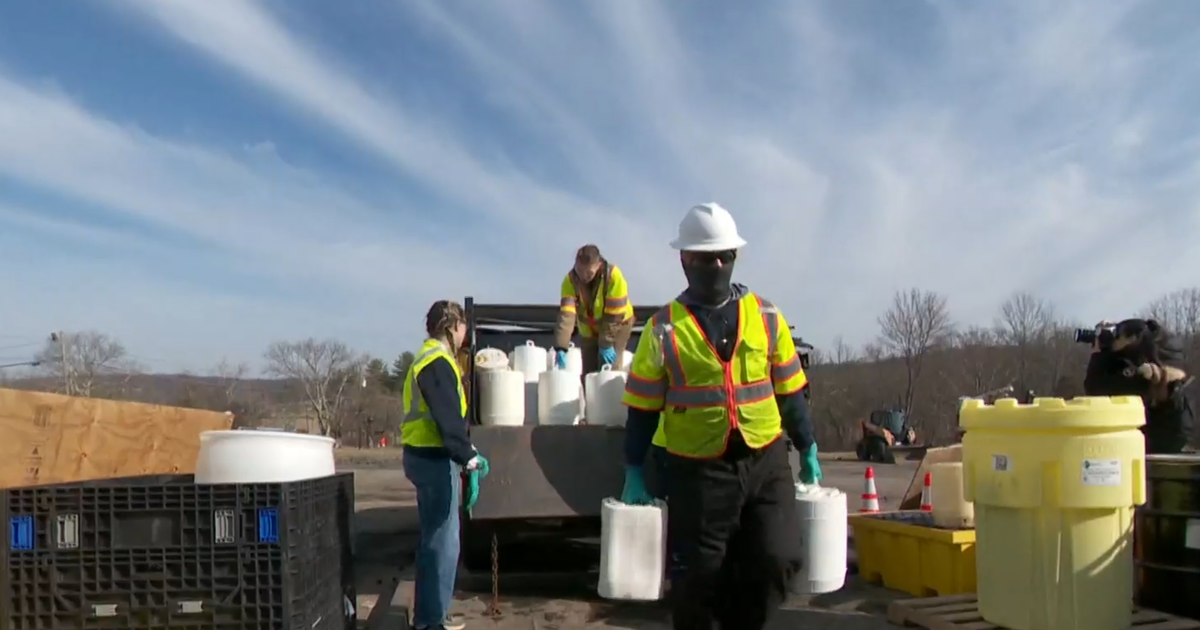
Hundreds of fire departments across New Jersey are hauling away a firefighting foam they relied on for decades, part of a national push by more than a dozen states to collect and destroy stockpiles of a substance now linked to cancer in the very firefighters trained to use it.
The foam, known as aqueous film-forming foam, or AFFF, has been a staple at fire stations since the mid-1980s, prized for smothering fuel fires that water alone cannot extinguish. But it is laced with per- and polyfluoroalkyl substances — PFAS, or "forever chemicals" — that do not break down in the environment or the human body. Studies have linked AFFF exposure to higher rates of several cancers among firefighters, who absorb the chemicals through their skin and gear.
"It was like sitting on a bomb," one fire official said of storing the foam, capturing the unease that has spread through the firefighting community as the health data has mounted. New Jersey is among the states leading the cleanup, and officials say they have already collected more than 150,000 gallons of the foam from stations statewide.
All of it is being trucked to Revive Environmental, an Ohio company that specializes in PFAS destruction, where the chemicals are broken down rather than simply buried in a landfill or burned in ways that can release them back into the air. The approach reflects a growing recognition that improper disposal can spread contamination to soil and drinking water, compounding the original problem.
To replace the old foam, departments are turning to PFAS-free alternatives. Robert Gancarz, a fire official, showed CBS News his department's new foam, which is made with soybeans and is designed to fight the same fuel fires without the toxic legacy. The switch requires cleaning out tanks and equipment that held the old product, a painstaking process meant to prevent lingering residue.
The effort is unfolding as the Environmental Protection Agency has signaled a lighter regulatory touch on some PFAS rules, prompting a patchwork of state laws to fill the gap. Several states have passed measures banning PFAS in firefighting foam and other consumer products, and New York recently sued 3M, DuPont and other manufacturers over the chemicals. For firefighters, the cleanup is both a relief and a reckoning with years of unwitting exposure on the job.
The same foam sits in tanks at airports, refineries and military bases, where it was mandated for decades to fight jet-fuel fires, meaning the stockpiles now being retired represent only part of a far larger disposal challenge. Environmental advocates warn that simply incinerating AFFF at low temperatures can loft the chemicals back into the air, which is why states are steering the material to specialized destruction facilities. The costs of collection, transport and disposal run into the millions, expenses that fall largely on state governments and local departments as litigation against manufacturers works through the courts.