Iranian Drone Strikes Kuwait's Main Airport as Strait of Hormuz Shipping Grinds to a Standstill
A one-way attack drone tore into a passenger terminal at Kuwait International Airport, killing one and wounding dozens, hours after U.S. forces shot down four Iranian drones over the Strait of Hormuz and struck Iranian radar sites.

An Iranian drone slammed into a passenger terminal at Kuwait International Airport, killing at least one person and wounding dozens, in one of the most dramatic escalations yet of a war that has dragged the small, oil-rich Gulf state directly into the line of fire. Footage released by Kuwaiti authorities showed the moment the one-way attack drone crashed into the terminal, sending travelers scrambling and forcing the suspension of flights at one of the region's busiest aviation hubs.
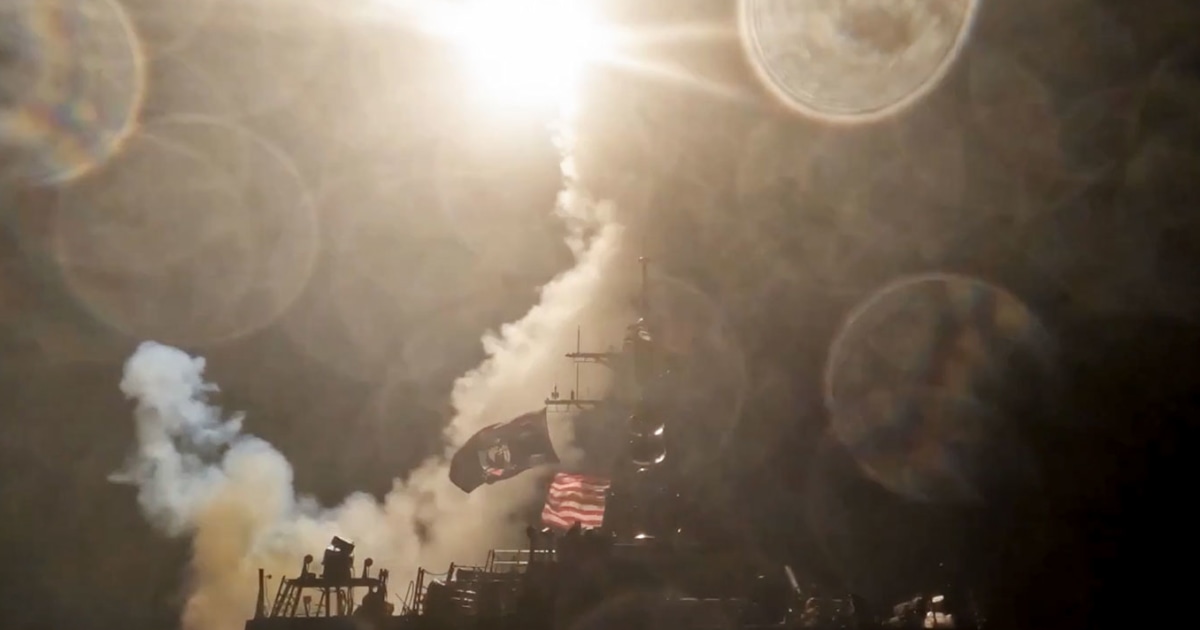
The strike came hours after U.S. Central Command said its forces had shot down four Iranian one-way attack drones launched toward the Strait of Hormuz, the narrow waterway through which roughly a fifth of the world's oil passes. In response, U.S. forces struck Iranian coastal surveillance radar sites at Goruk and on Qeshm Island, positions the Pentagon said Tehran was using to direct attacks on maritime traffic. Iran separately fired seven ballistic missiles in the direction of Kuwait and Bahrain, according to regional defense officials.
Iran denied responsibility for the airport strike, with its foreign ministry insisting that Tehran does not target civilian infrastructure and accusing its adversaries of staging the attack to justify further escalation. But the denial did little to calm a region already bracing for a wider conflagration. Kuwait, which hosts thousands of American troops and serves as a critical logistics hub for U.S. operations across the Middle East, condemned the strike as an act of aggression against a sovereign nation.
The fighting has all but frozen commercial traffic through the Strait of Hormuz. Shipping companies have diverted tankers, suspended sailings or anchored vessels outside the chokepoint, scrambling to find alternative routes for oil, fertilizer and consumer goods. War-risk insurance premiums have surged to four or five times their prewar levels, and Goldman Sachs has estimated that the closure of the waterway and the attacks on energy infrastructure have removed roughly 14.5 million barrels a day from global production.
The conflict traces back to late February, when President Donald Trump announced the start of major combat operations against Iran. A ceasefire reached on April 8 collapsed amid mutual accusations of violations, and the failure of U.S.-Iran peace talks in Pakistan in April left both sides dug in. Tehran has characterized the latest U.S. strikes as a "clear violation" of that ceasefire, declaring that the action "demonstrates the complete disregard of the U.S. ruling authorities for fundamental principles of international law."
For ordinary Kuwaitis, the war has arrived at their doorstep. The airport, a symbol of the emirate's prosperity and its role as a gateway between East and West, now bears the scars of a regional conflict that shows no sign of abating. As emergency crews worked through the debris and investigators picked over the wreckage of the drone, the central question hanging over the Gulf was whether the strikes mark a new and more dangerous phase of the war, or a prelude to the kind of negotiated off-ramp that has so far eluded every party to the conflict.