U.S. Death Toll in Iran War Hits 17 as Trump Orders Revenge Strikes After Missile Attacks Kill American Troops
President Trump warned of "strong" retaliation after three more U.S. service members were killed over the weekend, and the Pentagon is rushing F-16 and F-35 jets to the Middle East as fears of a prolonged war grow.

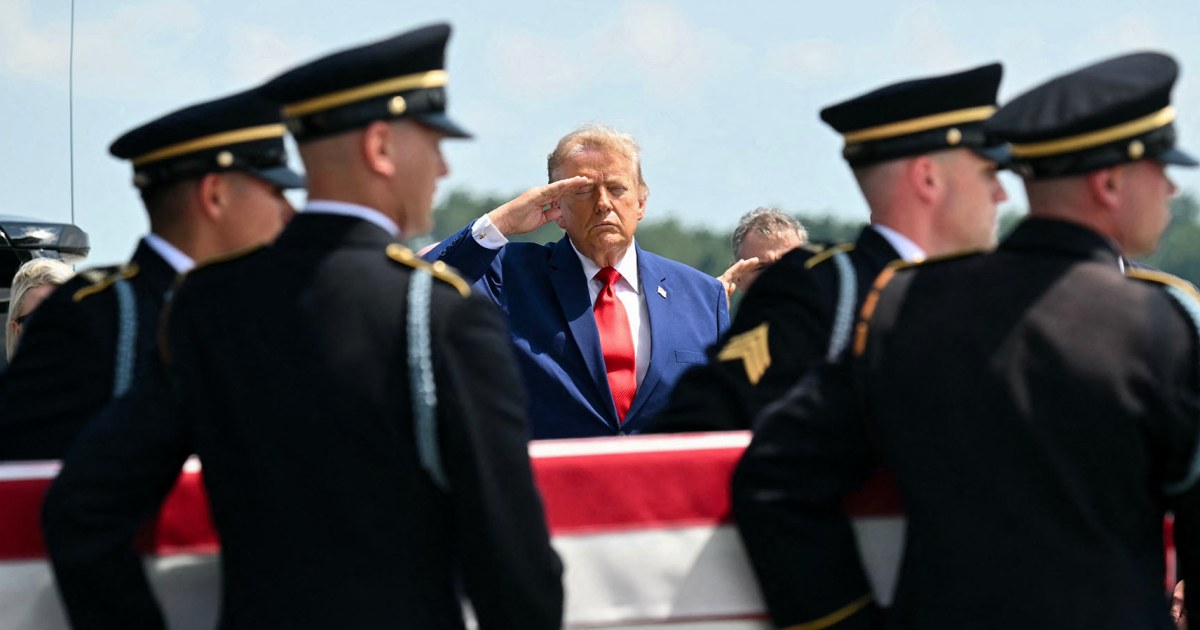
President Donald Trump warned Iran on Monday that it would face "strong" retribution after three American service members were killed over the weekend, pushing the U.S. military death toll in the five-month-old war to 17 and driving the two nations closer to all-out conflict.
Two service members were killed and one initially reported missing after an Iranian missile attack struck an air base in Jordan, U.S. Central Command said. A separate soldier in northern Iraq was killed while decommissioning a downed Iranian drone. The deaths, the deadliest stretch for U.S. forces since the war began on Feb. 28, prompted Trump to order a fresh wave of airstrikes on Iranian targets within 24 hours.
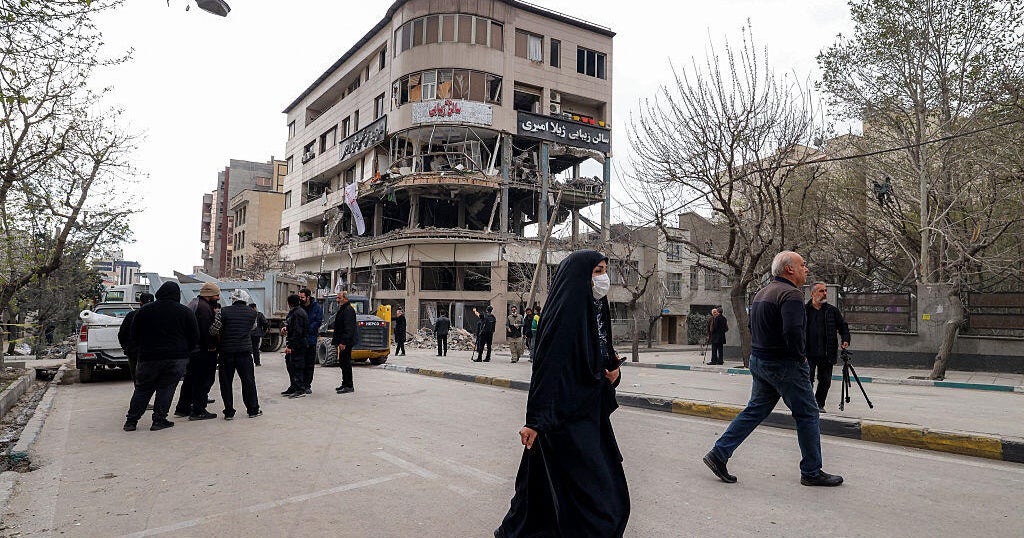
"They will pay a very big price," Trump told reporters, calling the deaths "a shame" and vowing that the campaign would continue "until I say" it stops. The strikes over the weekend marked at least the ninth straight night that U.S. forces have bombed Iranian infrastructure, including targets around the country's main port and critical facilities that Washington says support Tehran's missile program.
The Pentagon announced it is surging additional airpower to the region, including F-16 and F-35 fighter jets pulled from bases in Europe, along with extra aerial-refueling tankers to sustain the tempo of operations. Defense officials said the deployments were intended both to protect U.S. troops and shipping and to signal that Washington is prepared for a longer fight. Iran, for its part, claims it launched a new wave of missiles in response.
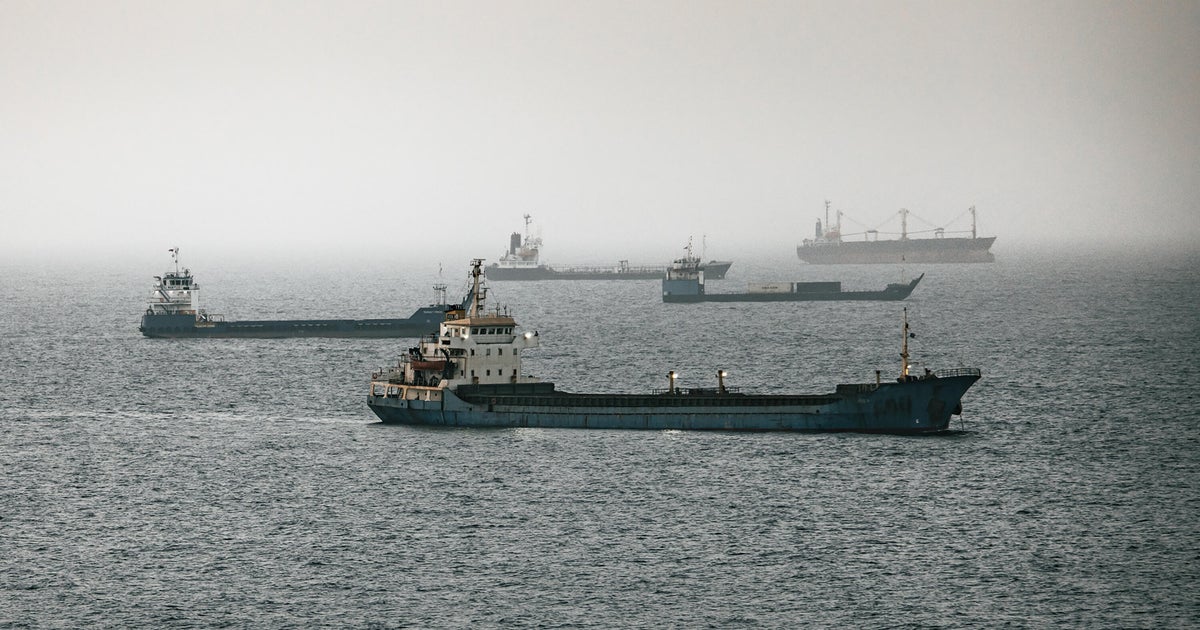
The human cost has climbed sharply on both sides. Iran says at least 3,000 Iranians, many of them civilians, have been killed since the U.S. and Israel opened the war in late February. The escalation has rattled global markets, disrupted air travel across the Middle East and sent oil prices climbing as tankers reroute to avoid the Strait of Hormuz. With Iran-backed Houthi militias in Yemen now threatening shipping in a second waterway, analysts warn the conflict is metastasizing into a wider regional war with no clear off-ramp in sight.
On Capitol Hill, the weekend deaths intensified a debate that had been simmering for months over whether Trump has the authority to keep striking Iran without a formal congressional authorization. Some lawmakers in both parties have pressed for a War Powers vote, while the White House insists the operations are defensive and lawful. Trump, who campaigned on ending foreign wars, now finds himself managing the deadliest U.S. military engagement in years, and administration officials privately concede there is no agreed strategy for how the campaign ends. For the families of the 17 Americans killed so far, the political calculations offer little comfort as the Pentagon prepares for what commanders expect to be a difficult and open-ended summer.