U.S. Forces Strike Iran Near the Strait of Hormuz as Hegseth Warns Pentagon Is 'More Than Capable' of Resuming the War
American warships came under fire from Iranian missiles, drones and small boats; U.S. fighter jets responded by destroying air-defense radars, a drone command station and two suicide drones, even as a fragile spring ceasefire technically holds.

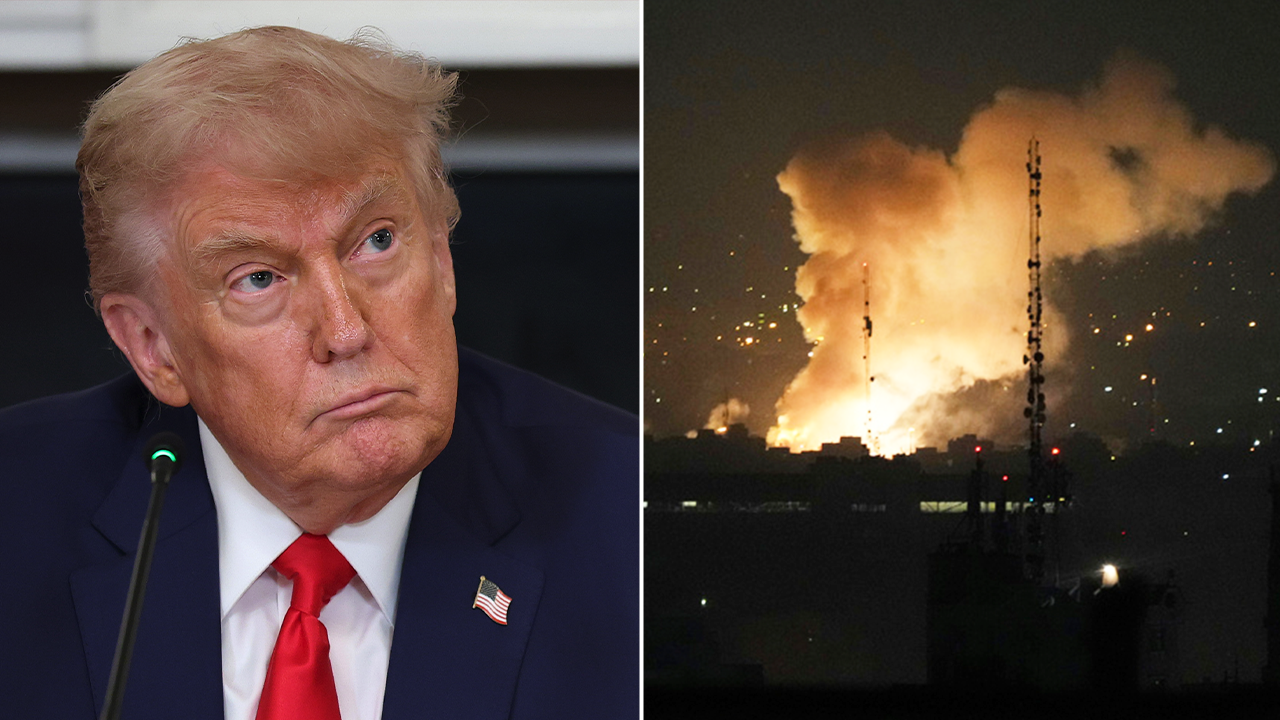
The United States military carried out a fresh round of "self-defense" strikes against Iranian targets over the weekend, U.S. officials said, after American warships operating near the Strait of Hormuz came under sustained fire from Iranian missiles, drones and small boats. The strikes, described by the Pentagon as measured and deliberate, destroyed Iranian air-defense radars, a drone ground-control station and at least two suicide drones, marking one of the sharpest escalations since a shaky ceasefire took hold in the spring.
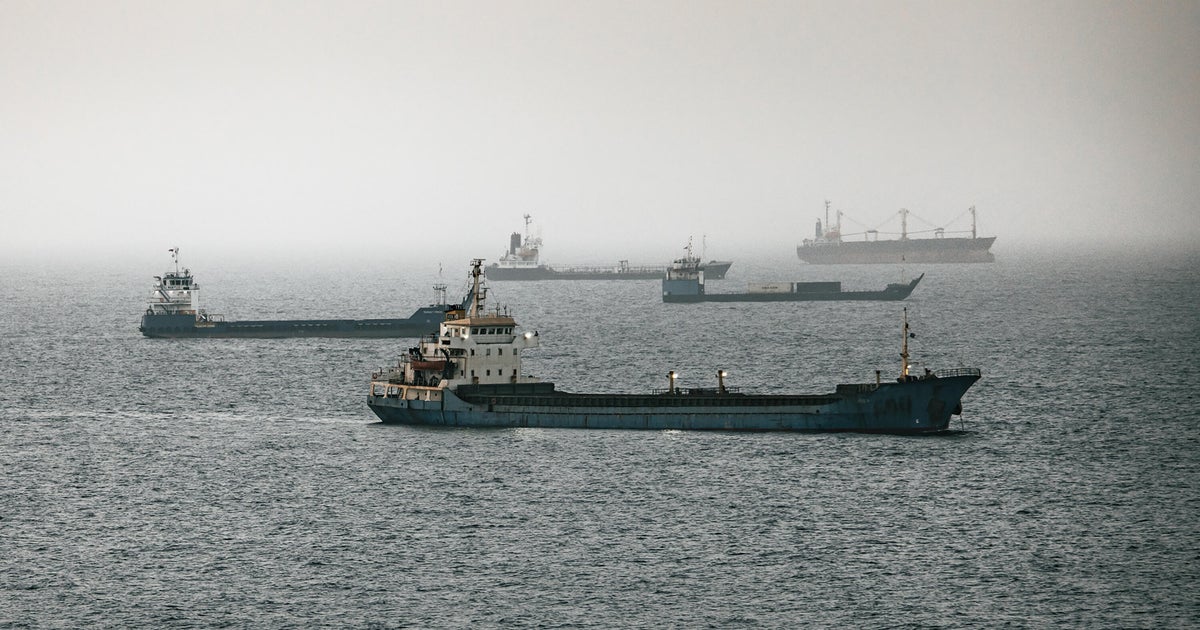
U.S. Central Command said the strikes were a direct response to roughly 24 hours of attacks launched by Iran's Islamic Revolutionary Guard Corps near the world's most important oil chokepoint, through which about a fifth of the globe's crude passes. Among the provocations, officials said, was the shootdown of a U.S. MQ-1 drone that had been flying over international waters. American fighter jets then struck the launch sites and air defenses tied to the barrage.
Defense Secretary Pete Hegseth and the chairman of the Joint Chiefs of Staff, Gen. Dan Caine, both stressed that U.S. forces remain in a defensive posture but warned that the military's restraint should not be mistaken for weakness. Hegseth said the Pentagon was "more than capable" of resuming full-scale operations against Iran if attacks on American personnel continued. Caine told reporters that Iran had struck at U.S. forces more than 10 times since the ceasefire began on April 12, but that none of those incidents had yet crossed the threshold that would trigger a return to all-out combat.
The latest exchange has rippled across the Persian Gulf. Kuwait said an Iranian drone slammed into a passenger terminal at its main international airport last week, killing an Indian national and wounding more than 60 people before flights were briefly suspended. U.S. and Bahraini forces said they intercepted missiles and drones aimed at Bahrain, home to the U.S. Navy's 5th Fleet. Iran's Revolutionary Guard disputed responsibility for the airport strike, a claim CENTCOM publicly rejected as false. Global oil prices, already jittery, climbed again on news of the strikes.
Tehran accused Washington of violating the ceasefire and threatened retaliation, while insisting that any return to negotiations depends on Israel ending its operations in Lebanon and Gaza. The Trump administration has said it is keeping the door open to a wider deal that would reopen the Strait of Hormuz to normal traffic, but officials cautioned that the situation remains volatile. For now, both sides appear locked in a dangerous pattern of strike and counterstrike, each insisting it is acting only to protect itself, and each warning that the other is one miscalculation away from reigniting a full war.