Iran Declares the Strait of Hormuz Closed as the U.S. Launches a Third Round of Strikes in a Week
Tehran said it had shut the world's most important oil chokepoint after firing on a ship, while Washington insisted the waterway remained open and hammered roughly 140 Iranian military targets.

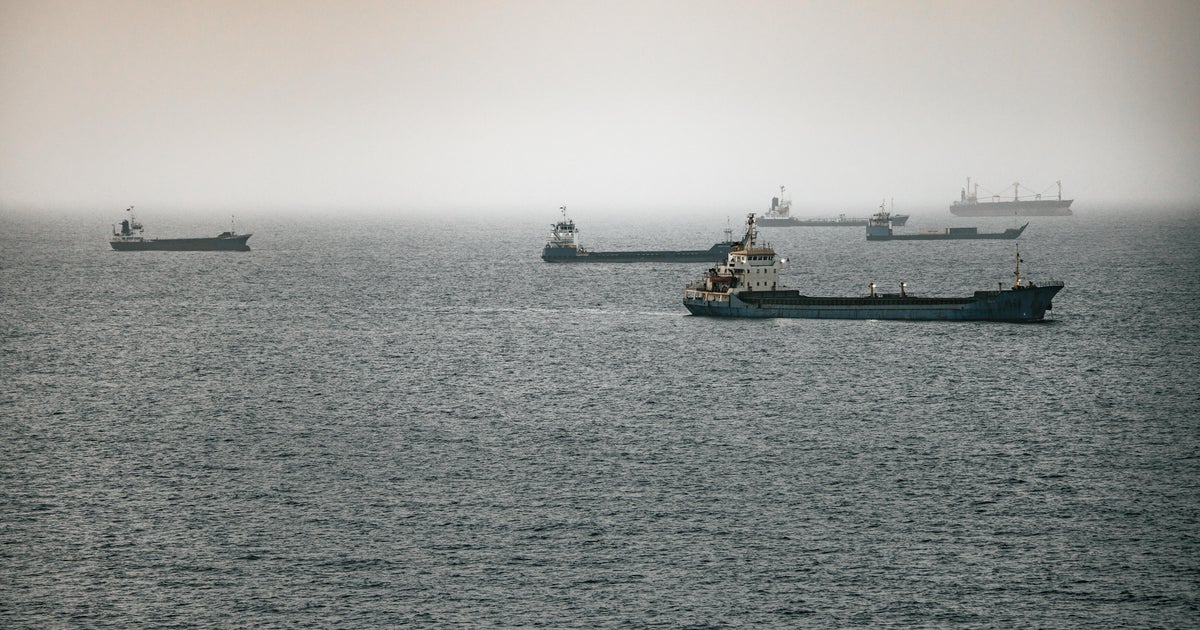
The United States and Iran traded fresh strikes overnight into Monday and issued dueling declarations over whether the Strait of Hormuz was open to shipping, a dispute that pushed the two countries closer to open war over the narrow waterway that carries roughly a fifth of the world's oil.
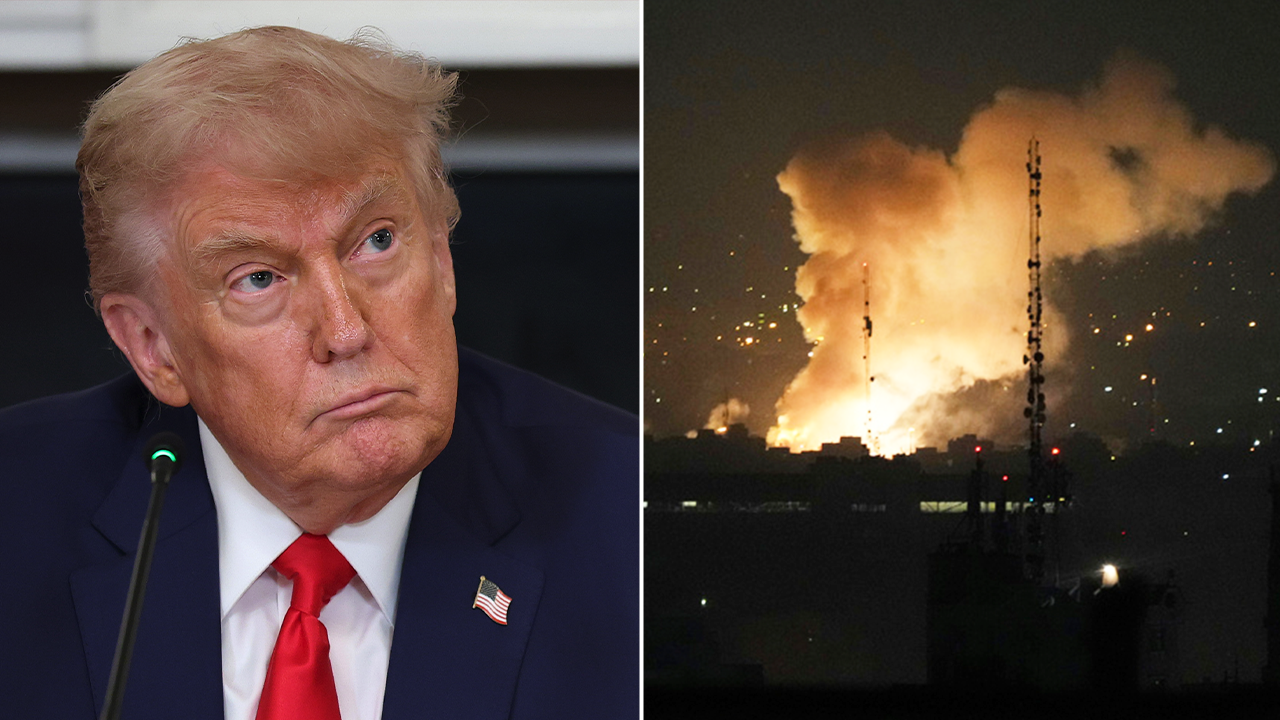
Early on July 12, Iran's Islamic Revolutionary Guard Corps Navy said it had fired warning shots at a vessel it accused of using an unauthorized route and then declared the strait closed. Within hours the U.S. military launched its third round of strikes in a week, hitting about 140 Iranian military targets along the coast, according to American officials. Washington rejected Tehran's closure claim outright, saying the channel remained open and that U.S. and allied warships would keep transiting it.
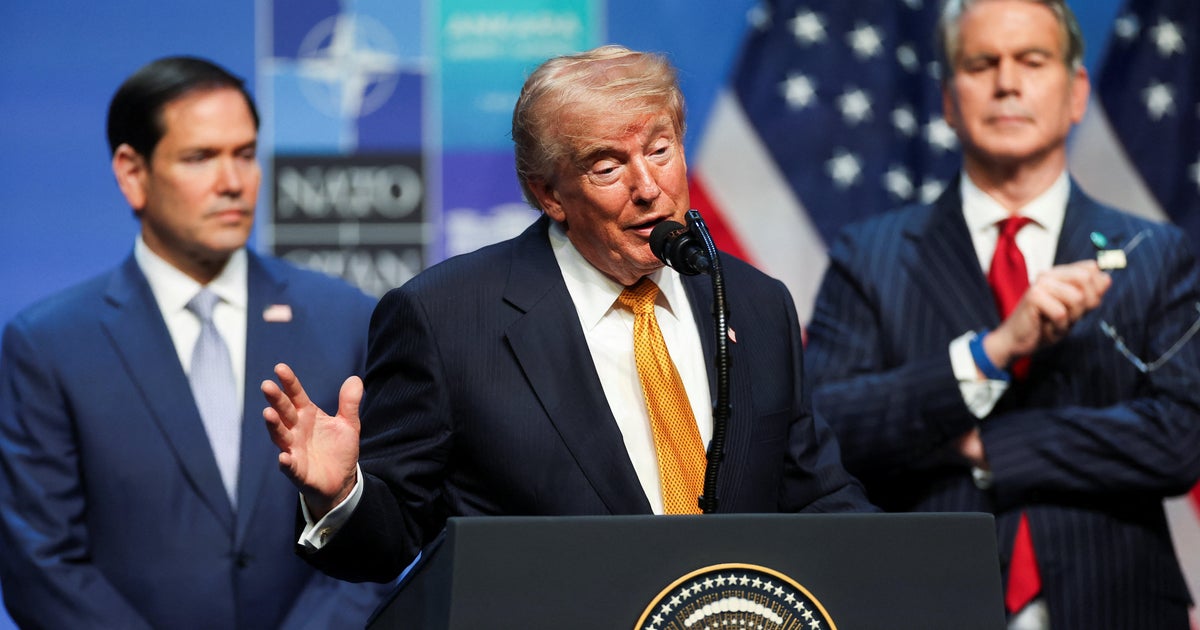
The escalation has shattered an uneasy truce that had barely held since June 17, when President Donald Trump and Iranian President Masoud Pezeshkian signed a memorandum of understanding meant to end the war and lift the blockade of the strait. On July 7, as American forces stepped up their bombardment of Iranian assets, Trump declared that he considered the ceasefire "over." He has since said the U.S. will "probably run" the strait itself, a threat that would put American naval power directly astride Iran's coastline.
The fighting has spilled beyond Iran's borders. Kuwait's defense ministry said Iranian fire struck three of its land border posts and an offshore rig operated by the Kuwait Oil Company, while the IRGC claimed to have hit U.S. HIMARS launchers positioned in Kuwait. Iran has urged Gulf states to bar their territory from being used for American operations, warning that hosting U.S. forces makes them targets. The exchanges mark the widest regional spillover since the crisis began.
Energy markets have lurched with every headline. Traders have priced in the risk that even a brief closure of Hormuz — through which tankers move crude from Saudi Arabia, the United Arab Emirates, Kuwait, Qatar and Iran itself — could send oil prices sharply higher and ripple through global supply chains. Shipping firms have rerouted or slowed vessels as insurers reassess war-risk premiums for the Gulf.
Diplomats are scrambling to pull the two sides back from the brink even as the missiles fly. The strait sits at the crux of a stalled effort to restart negotiations, but each new round of tit-for-tat strikes has made talks harder to convene. For now, Washington and Tehran cannot even agree on the most basic fact of the conflict — whether the world's most important oil passage is open or shut.