Ebola Deaths Top 580 in Congo as a Second Deadly Virus, Marburg, Surfaces in Uganda
The World Health Organization is battling a Bundibugyo-strain Ebola outbreak that has killed hundreds in the Democratic Republic of Congo, now complicated by a separate Marburg case across the border in Uganda.

An Ebola outbreak tearing through eastern Democratic Republic of Congo has killed hundreds of people and shows no sign of slowing, and now health authorities are confronting a second, separate hemorrhagic fever — Marburg — that has surfaced across the border in Uganda, raising fears of overlapping epidemics in a region with fragile health systems.
As of July 6, Congo's Ministry of Health had reported 1,708 confirmed Ebola cases and 580 confirmed deaths, according to figures compiled by the European Centre for Disease Prevention and Control. The vast majority of cases are concentrated in Ituri province, with 1,556 confirmed infections, followed by North Kivu with 149 and South Kivu with three. The outbreak is caused by the Bundibugyo virus, one of several species of Ebola, and the World Health Organization declared it a Public Health Emergency of International Concern on May 17.
The virus has already jumped borders. Uganda's Ministry of Health has reported 20 confirmed cases and two deaths, of which 15 were imported from Congo and five were secondary infections among contacts — evidence that the pathogen is spreading person to person outside Congo's borders. Cross-border trade and movement through the densely populated Great Lakes region have made containment especially difficult.
Then, on June 30, Uganda notified the WHO of a confirmed case of Marburg virus disease in Kyegegwa District, identified through the enhanced surveillance set up to catch Ebola. Marburg is a cousin of Ebola, part of the same filovirus family, and is similarly lethal, with case fatality rates that have ranged from around 24% to as high as 88% in past outbreaks. Health officials have reported the death of a child linked to the Marburg detection. The case appears to be isolated so far, but its emergence alongside the Ebola crisis stretches already-thin resources.
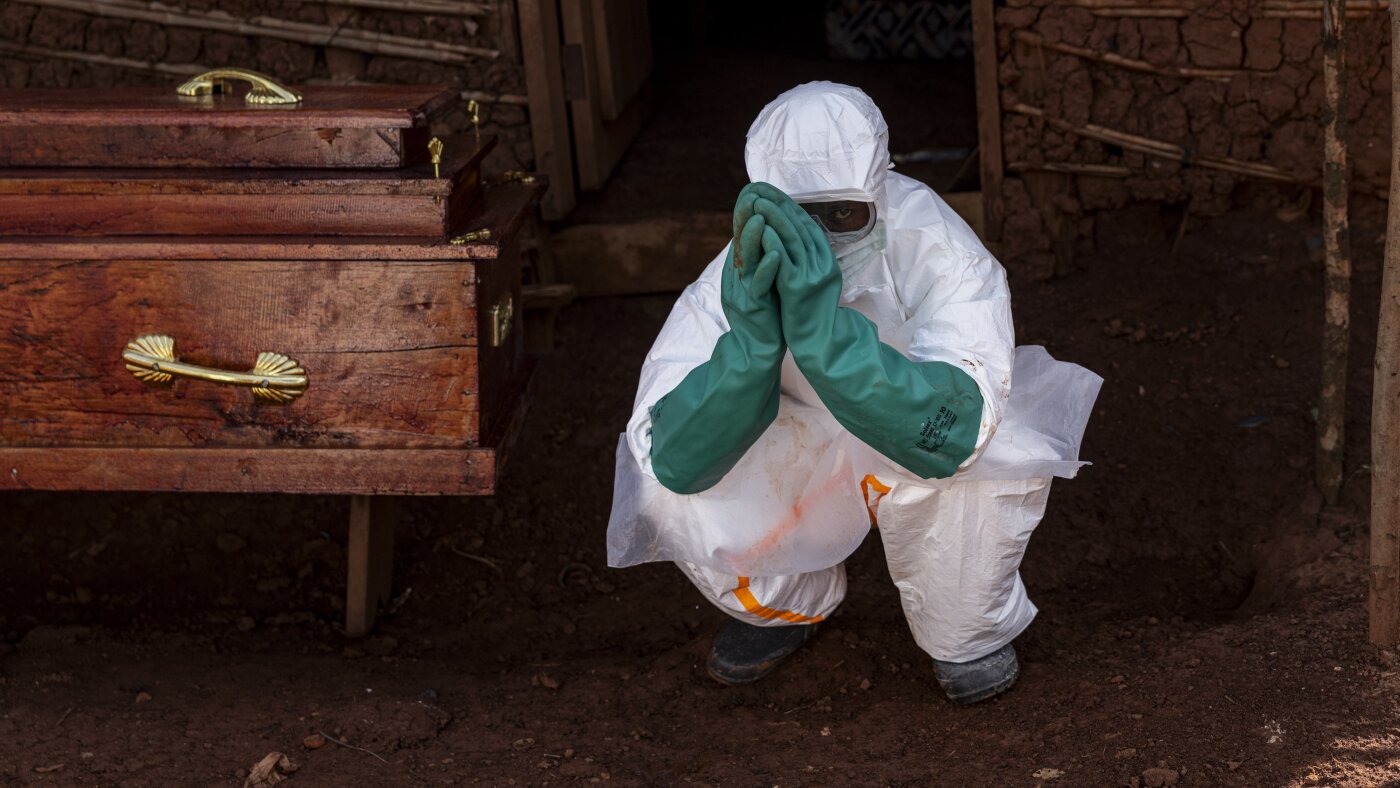
Both Ebola and Marburg spread through direct contact with the bodily fluids of infected people or contaminated surfaces, and both can cause severe bleeding, organ failure and death. Traditional burial practices, which involve washing and touching the deceased, have historically accelerated transmission, and aid groups have raced to promote safe burials and isolate suspected cases.
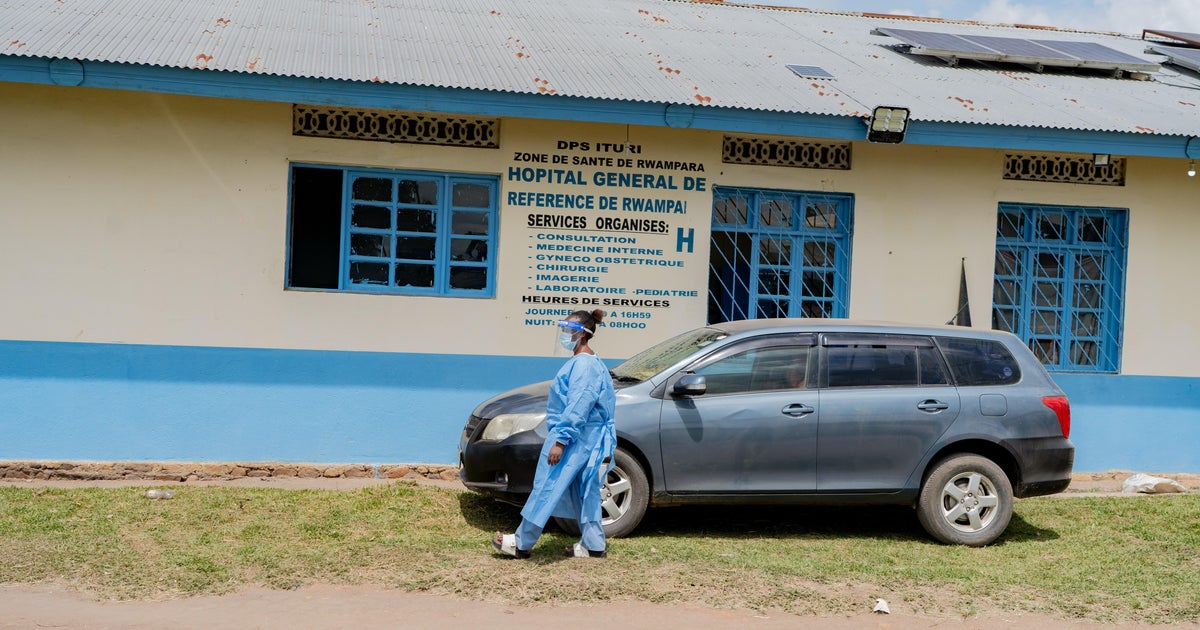
Responders including Doctors Without Borders and Africa CDC have deployed to the affected zones, ramping up contact tracing, isolation units and vaccination where tools exist. But the concurrent threats — a large, entrenched Ebola outbreak plus a fresh Marburg case in a neighboring district — present a daunting test. WHO officials have warned that without a rapid, well-funded response, the twin outbreaks could widen further across a region where borders are porous and clinics are overwhelmed.