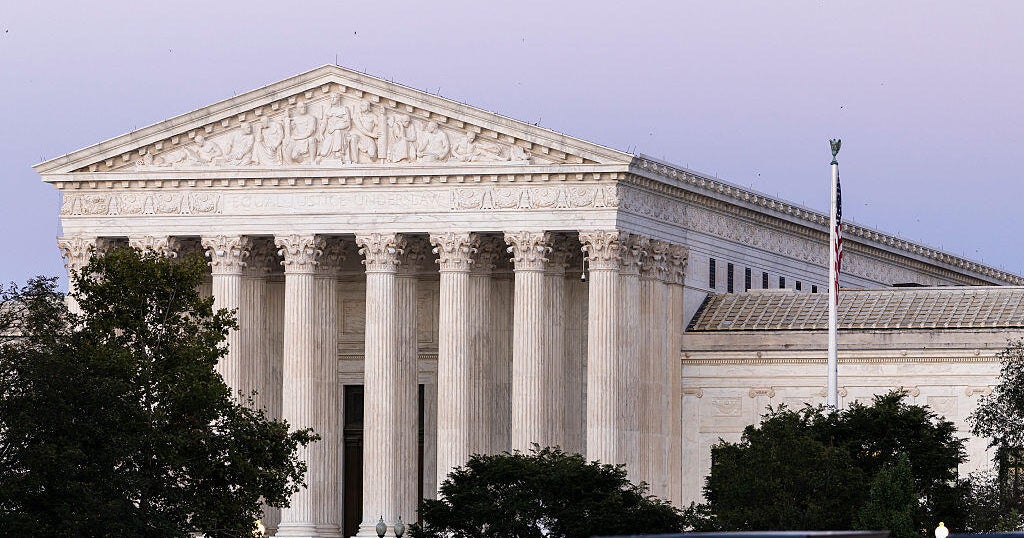
India's Supreme Court Throws Out 'Foreigner' Rulings Against 27 Assam Residents, Demanding a Fair Process
A bench led by Justice Vikram Nath set aside Gauhati High Court orders and sent the citizenship cases back to tribunals, holding that declaring someone a foreigner must follow a 'fair, lawful and reasonable' process.

India's Supreme Court on Monday set aside a series of Gauhati High Court orders that had upheld the declaration of 27 residents of Assam as foreigners, ruling that decisions on citizenship and foreigner status must be reached through a process that is "fair, lawful and reasonable."
A bench of Justice Vikram Nath and Justice Sandeep Mehta allowed 27 appeals and sent the cases back to the state's Foreigners Tribunals for fresh consideration. The court held that the question of who is and is not a citizen "occupies a field of high constitutional and legal significance," and that such a weighty determination cannot rest on proceedings that fall short of basic fairness.
The ruling touches one of the most contentious issues in the northeastern state of Assam, where quasi-judicial Foreigners Tribunals decide whether residents are Indian citizens or undocumented migrants — a process that critics say has swept up longtime residents, day laborers and poor families who struggle to produce decades-old documents. People declared foreigners can be stripped of voting rights and detained, making the tribunals' decisions life-altering.
The justices were careful to balance their concern for due process against the state's interest in border control. The court acknowledged that "the State has a legitimate and compelling interest in ensuring that persons who are not legally entitled to claim Indian citizenship do not secure such status by misuse of process, by false claim or by taking advantage of delays." The remand, it stressed, "is not intended to confer any equity in favour of a person who is unable to establish his or her claim," but only to guarantee that any declaration of foreigner status follows a procedure that meets the requirements of fairness.
Crucially, the bench directed that the tribunals must now decide the cases afresh and "uninfluenced by any of the observations made by the High Court or by the Tribunals in the earlier opinions," effectively wiping the slate clean for the 27 appellants. That instruction is likely to reverberate through hundreds of similar pending matters in Assam, where advocates have long complained that individuals were branded foreigners on thin or contradictory evidence.
The decision does not resolve the underlying citizenship of any of the appellants, and each will have to make their case again before a tribunal. But by insisting on a fair and reasoned process — and by faulting the courts below for endorsing flawed proceedings — India's top court has set a marker for how one of the country's most sensitive legal questions must be handled going forward.