US-Israel War Enters Day 30 as Pentagon Plans Limited Ground Operations Inside Iran
The USS Tripoli arrived with 3,500 additional troops, explosions rocked Tehran Sunday morning, and White House spokesperson Karoline Leavitt acknowledged military preparations while insisting no final decision has been made.

The United States and Israel's military campaign against Iran entered its 30th day on Sunday as the Pentagon quietly began planning for weeks of limited ground operations inside Iranian territory, according to sources familiar with internal deliberations. Those plans include potential raids on Kharg Island — Iran's primary oil export terminal — and coastal facilities near the Strait of Hormuz, to be carried out by special operations forces alongside conventional infantry units. The USS Tripoli arrived in the region over the weekend, delivering an additional 3,500 troops, while the 82nd Airborne Division has also begun deploying, bringing total US forces in the theater above 50,000.
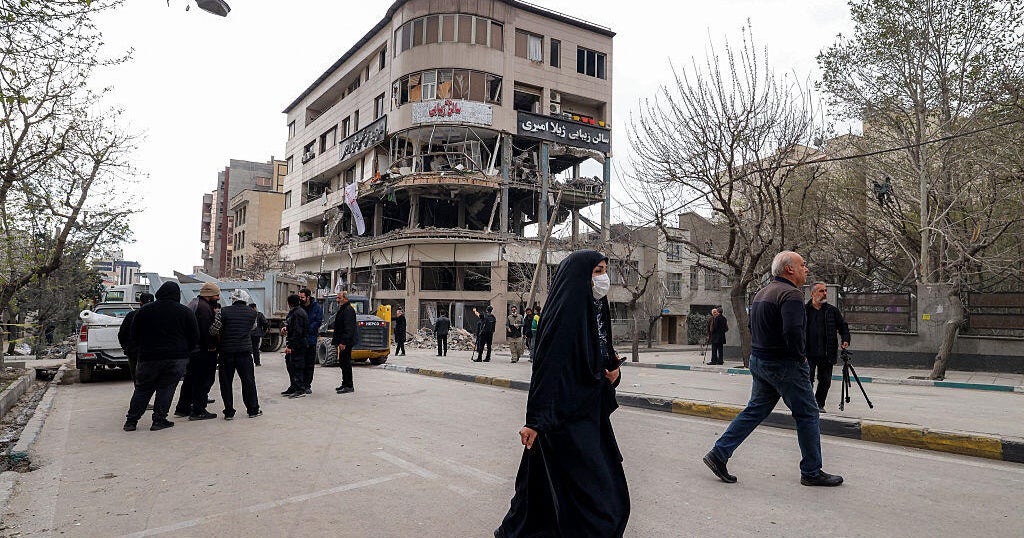
Explosions struck residential neighborhoods in Tehran on Sunday morning, killing two people and wounding five, in strikes that Israel has not officially claimed. The attacks came as Israeli warplanes continued targeting Lebanon, where at least 1,238 civilians have been killed since March 2 according to Lebanese health officials. Iran's Parliamentary Speaker Mohammad Bagher Ghalibaf warned ominously: "Our men are waiting for the arrival of American soldiers on the ground to set fire to them." White House Press Secretary Karoline Leavitt acknowledged the preparations but insisted no final decision had been made. "It's the job of the Pentagon to make preparations in order to give the Commander in Chief maximum optionality," she said. "It does not mean the president has made a decision."
President Trump told reporters Sunday that Iran had already agreed to "most of" the 15 demands the United States conveyed through Pakistan's government earlier this month. Those demands reportedly include halting uranium enrichment above 20%, dismantling centrifuge cascades at the Fordow and Natanz facilities, and expelling IRGC proxies from Lebanon and Syria. Iran has publicly rejected the terms but has continued indirect talks. Foreign ministers from Pakistan, Turkey, Egypt, and Saudi Arabia convened in Islamabad on Sunday in what diplomats described as the most substantive multilateral effort yet to broker a ceasefire before the conflict widens further.
The economic fallout is accelerating. Brent crude oil has risen more than 50% since the war began five weeks ago, climbing back above $110 per barrel on Sunday, the highest level since the 2022 Russian invasion of Ukraine. Pakistan secured an agreement allowing 20 Pakistani commercial vessels to pass through the Strait of Hormuz — a vital concession given that roughly 21 million barrels of oil transit the strait each day. U.S. stock markets fell sharply, with the Dow Jones dropping 793 points to 45,167 and the S&P 500 hitting a seven-month low of 6,368, its fifth consecutive weekly decline. Treasury yields surged to near nine-month highs as inflation fears mounted.
Anti-war demonstrations have grown significantly inside Israel. Tens of thousands marched through Tel Aviv on Saturday, with protesters carrying banners reading "Olmert Was Right" — a reference to former Israeli Prime Minister Ehud Olmert, who has publicly condemned the Iran offensive as a strategic blunder. Meanwhile, U.S. military planners continue wrestling with the central dilemma of the campaign: Iran has dispersed its nuclear infrastructure over dozens of heavily fortified underground sites, most too deep for conventional bunker-busters. Whether the current air campaign has meaningfully set back Iran's nuclear timeline remains, according to multiple senior officials, genuinely unclear.