Internet Restrictions Spur Russians to Openly Question Putin's Authority
From beauty influencers to political opposition figures, Russians are increasingly challenging President Putin's moves to restrict online access.

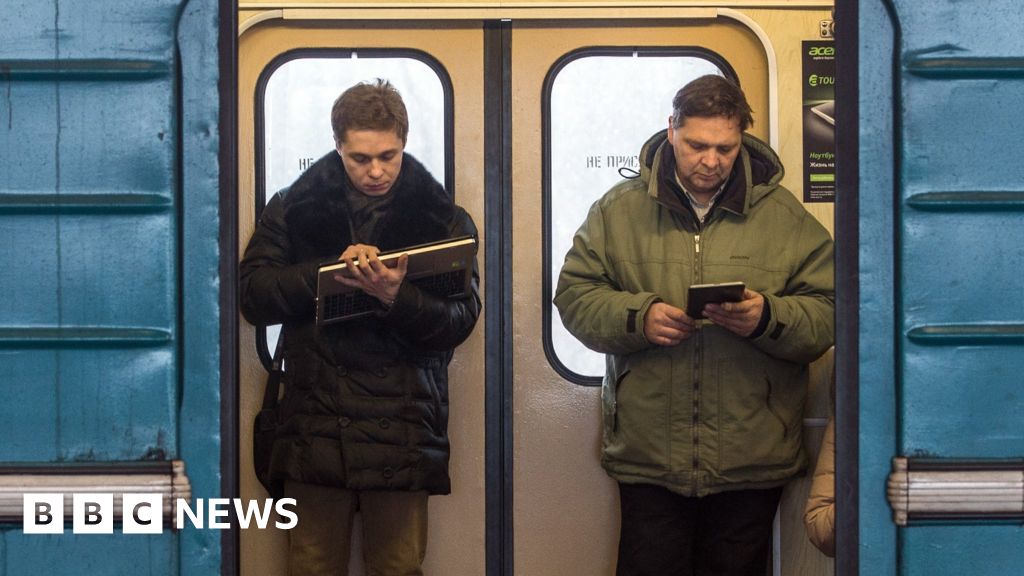
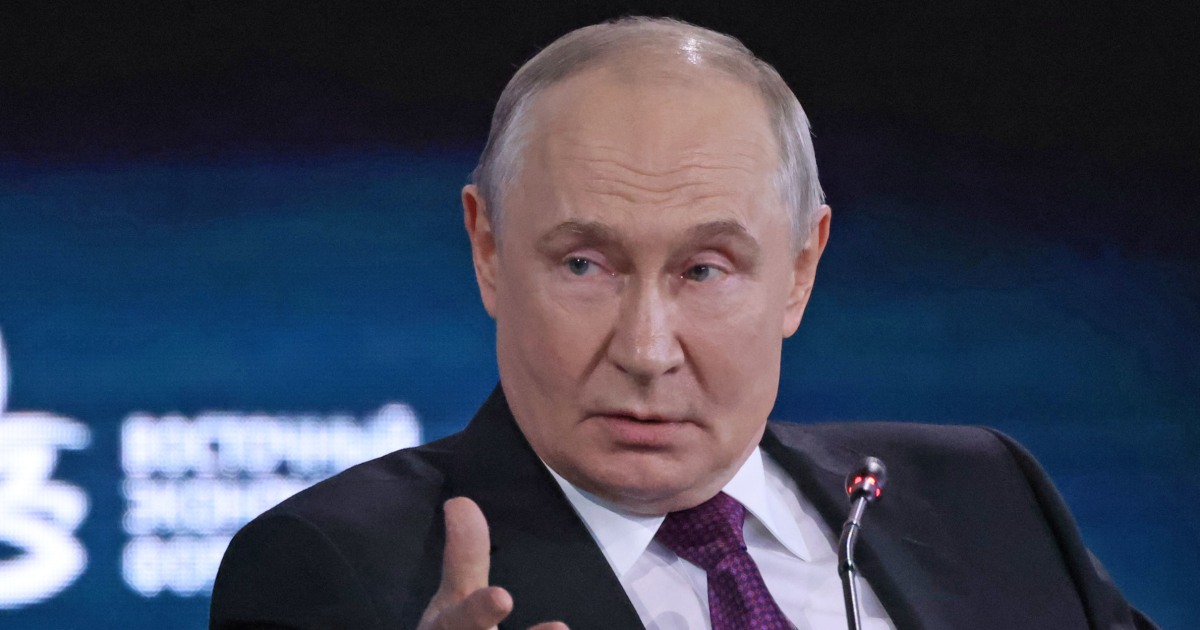
Internet restrictions imposed by the Russian government are generating unexpected pushback, with citizens across various sectors openly questioning President Vladimir Putin's digital crackdown. The growing dissent spans from beauty influencers to token political opposition figures, marking a notable shift in public discourse despite the country's increasingly authoritarian atmosphere.
The restrictions, which have significantly hampered access to various online platforms and services, appear to have struck a nerve with ordinary Russians who depend on the internet for both professional and personal activities. Beauty influencers, who rely heavily on social media platforms for their livelihoods, have been among the most vocal critics, using their substantial followings to express frustration with policies that directly impact their ability to work and communicate with audiences.
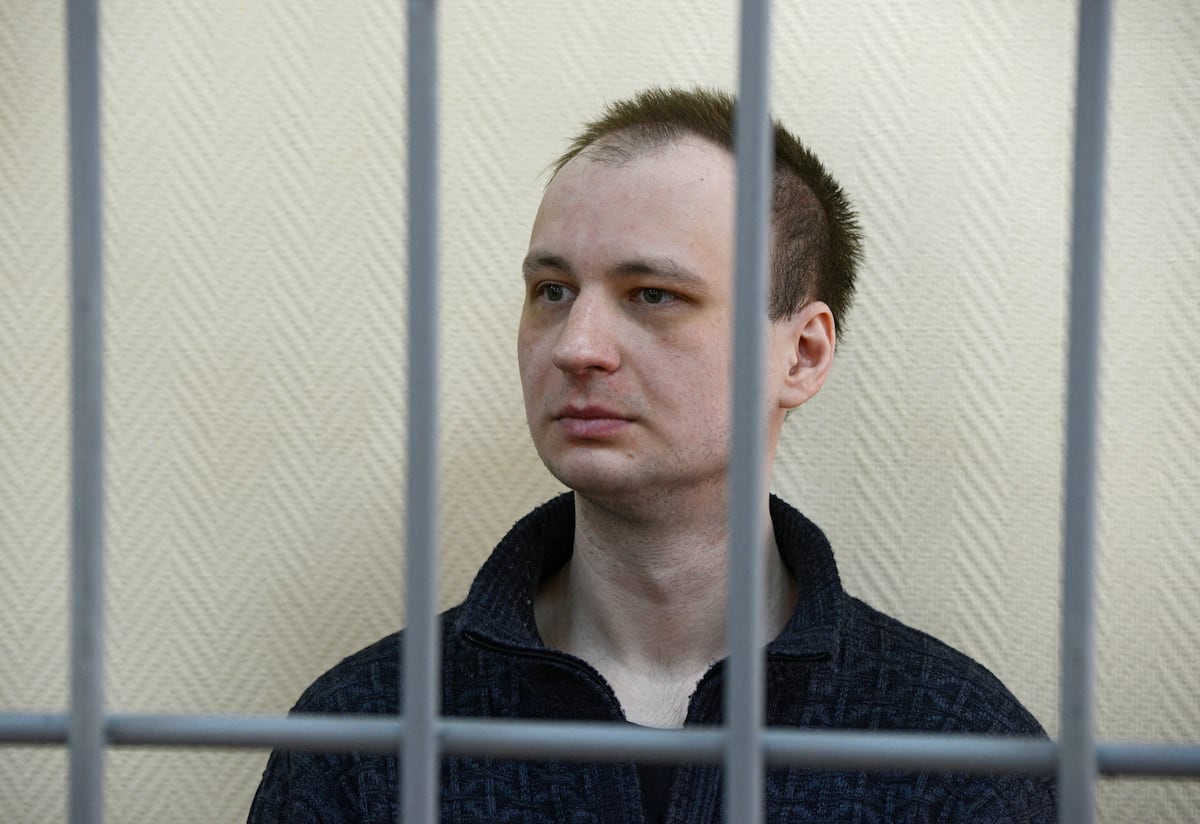
Even members of Russia's limited political opposition, who typically face severe restrictions on their ability to criticize government policies, have found themselves able to speak more openly about the internet restrictions. The digital crackdown has created an unusual situation where criticism of specific policies has become more tolerated, possibly because the government underestimated how broadly these measures would affect Russian society.
The internet restrictions are part of a broader effort by Putin's administration to control information flow and limit exposure to outside perspectives, particularly as international tensions remain high. However, the policy appears to be backfiring by creating widespread inconvenience for ordinary citizens who had not previously been politically active or critical of government policies.
Analysts note that the open questioning of Putin's internet policies represents a rare instance of public dissent in contemporary Russia, where criticism of the president is typically met with severe consequences. The fact that even beauty influencers feel compelled to speak out suggests the restrictions have created genuine hardship for people whose livelihoods depend on digital connectivity. Whether this growing criticism will lead to policy changes or increased government crackdowns remains to be seen, but it represents a significant challenge to Putin's typically tight control over public discourse.