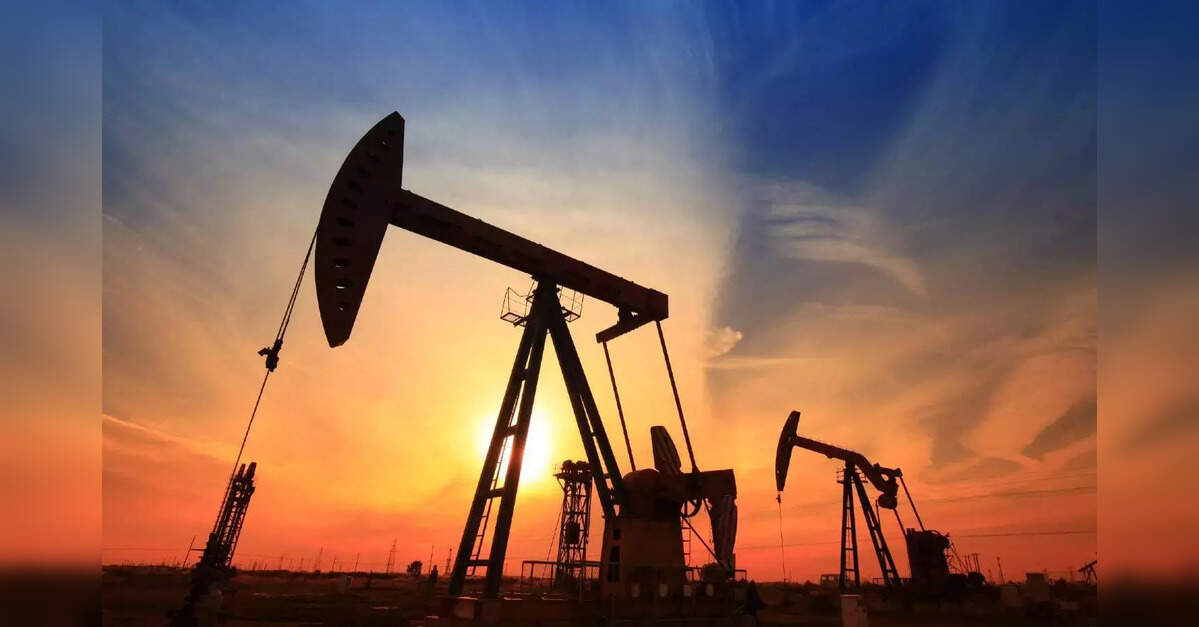
UAE Announces Immediate Departure From OPEC After Five Decades of Membership
The Gulf nation's exit amid Iran war tensions threatens to weaken OPEC's influence over global oil markets as crude prices surge past $100 per barrel.
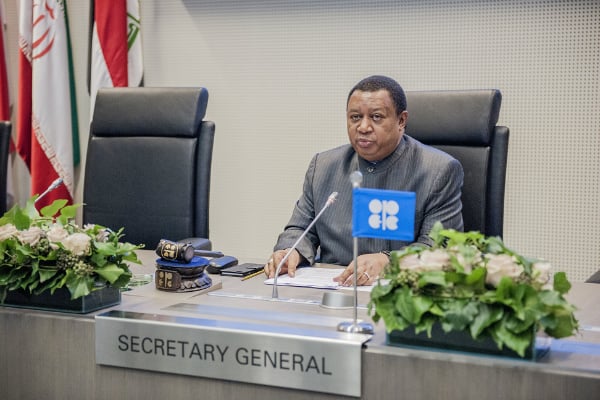
The United Arab Emirates has announced its immediate withdrawal from the Organization of the Petroleum Exporting Countries after more than five decades of membership, a dramatic move that threatens to further destabilize global oil markets already strained by ongoing conflict in the Middle East. The decision comes as U.S. crude oil prices surpassed $100 per barrel for the first time since April 10, driven by supply concerns and failed diplomatic efforts to resolve regional tensions.
UAE officials have long complained about OPEC's production quota system, which they argue unfairly limits the country's oil export capacity relative to its reserves and production capabilities. The Gulf nation has increasingly found itself at odds with Saudi Arabia and other OPEC members over production targets, particularly as it seeks to maximize revenue from its energy resources to fund ambitious economic diversification plans.
The timing of the UAE's departure coincides with heightened tensions throughout the Persian Gulf region, where the Iran conflict has disrupted shipping routes and raised concerns about supply security. The Strait of Hormuz, through which roughly one-fifth of global oil exports pass, has become a particular focus of international concern as military activities have increased in the region.
Analysts expect the UAE's exit to significantly weaken OPEC's ability to coordinate global oil production and maintain price stability. The organization has already faced challenges in recent years as member nations have struggled to agree on production levels amid competing economic pressures and geopolitical considerations. Without the UAE's substantial production capacity, OPEC's influence over global markets is likely to diminish further.
The move also underscores broader shifts in Gulf politics, with the UAE increasingly pursuing independent foreign and economic policies that sometimes conflict with traditional regional alliances. This independent approach has extended to its relationships with both Iran and Saudi Arabia, as the Emirates seeks to position itself as a neutral player capable of maintaining economic ties with multiple partners despite ongoing regional tensions.