UAE Announces Immediate Departure From OPEC Amid Oil Production Disputes
The Gulf nation's exit deals a significant blow to the oil cartel's influence as global energy markets face unprecedented disruption from the Iran war.

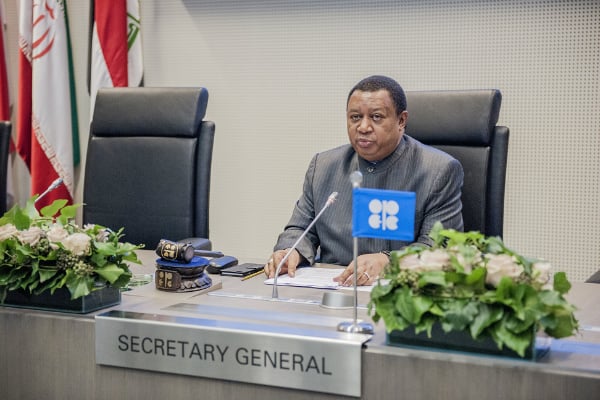
The United Arab Emirates announced Monday it will immediately withdraw from OPEC, delivering a major blow to the oil cartel's unity and influence over global energy markets. The Gulf government cited long-standing complaints about production quotas that officials believe unfairly limited the nation's oil exports, according to sources familiar with the decision. The move comes as crude oil prices have surged past $100 per barrel for the first time since April 10, driven by supply disruptions from the ongoing Iran war and heightened tensions in the Persian Gulf region.
UAE officials have privately expressed frustration for months over OPEC's quota system, arguing that the restrictions prevented the country from capitalizing on its expanded production capacity. The nation has invested billions of dollars in recent years to increase its oil output capabilities, but OPEC's allocation system limited how much additional crude it could bring to market. Industry analysts suggest the UAE's departure could encourage other member nations with similar grievances to reconsider their own participation in the cartel.
The timing of the withdrawal is particularly significant given the current global energy crisis. Iran talks aimed at resolving the conflict and reopening the Strait of Hormuz have stalled, leaving a critical shipping lane for global oil supplies effectively closed. The United States has shown little enthusiasm for Iran's latest proposal to end the war and reopen the strait without addressing the nuclear program impasse. This diplomatic deadlock has created severe supply constraints that have driven energy prices to levels not seen in over a year.
OPEC's influence over global oil markets has already been weakening in recent years as US shale production increased and renewable energy adoption accelerated. The UAE's departure removes one of the cartel's most significant producers and could signal the beginning of a broader fracturing of the organization. Without the UAE's cooperation, OPEC's ability to coordinate production cuts or increases to manage global oil prices will be substantially diminished.
The withdrawal is expected to have immediate implications for global energy markets, potentially leading to increased price volatility as traders reassess supply dynamics. Energy analysts warn that without coordinated production management, oil price swings could become more extreme, affecting everything from gasoline costs to industrial production worldwide. The UAE's decision marks a watershed moment for OPEC, which has struggled to maintain relevance in an increasingly complex global energy landscape.