Growing UAE-Saudi Arabia Rift Threatens Middle East Oil Alliance
Competition between Gulf powers intensifies over energy quotas and regional conflicts, with officials struggling to maintain facade of cooperation.

Tensions between the United Arab Emirates and Saudi Arabia are mounting to levels that threaten the stability of Middle Eastern oil cooperation, as the two Gulf powers increasingly compete over energy quotas, regional conflicts, and fundamentally different visions for the region's future. While officials from both countries continue to publicly describe their competition as healthy rivalry, private diplomatic sources reveal growing friction that could reshape OPEC dynamics and regional geopolitics. The escalating disputes span multiple areas of policy, from oil production levels to military interventions and economic diversification strategies.
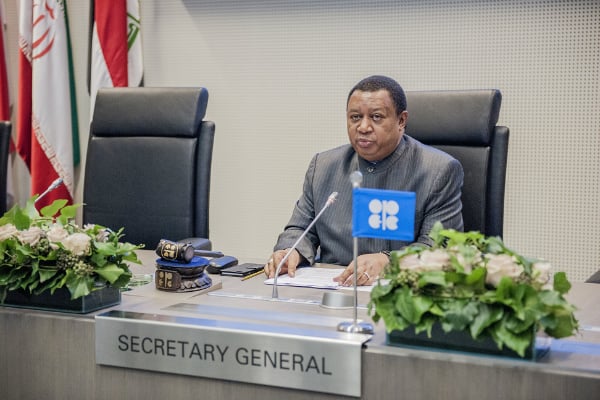
At the heart of the growing rift lies a fundamental disagreement over energy policy within OPEC and broader regional oil coordination mechanisms. The UAE has increasingly pushed for higher production quotas and more flexible pricing strategies, while Saudi Arabia has advocated for more conservative approaches aimed at maintaining price stability. These differences have created tension during recent OPEC meetings, with both countries occasionally working to build competing coalitions among other regional producers. The energy disagreements reflect broader economic competition as both nations race to diversify their economies away from oil dependence.
Regional conflicts have further strained the relationship, particularly regarding approaches to Iran, Yemen, and broader Middle Eastern security issues. The UAE has shown greater willingness to engage diplomatically with Iran and has taken different positions on several regional military interventions compared to Saudi Arabia's more aggressive stance. These strategic differences have complicated joint military operations and diplomatic initiatives, with both countries sometimes pursuing parallel rather than coordinated policies in key regional hotspots.
The competition extends beyond government policy to encompass economic diversification efforts, with both countries aggressively courting international investment and positioning themselves as regional business hubs. Dubai and Abu Dhabi have competed directly with Riyadh for major corporate headquarters, international events, and tourism developments. This economic rivalry has intensified as both nations implement ambitious Vision programs designed to reduce their dependence on oil revenues and establish leadership in emerging industries like renewable energy and artificial intelligence.
Despite the growing tensions, both countries remain constrained by shared security concerns and economic interdependence that prevent complete breakdown of their relationship. Regional threats from Iran and internal pressures from domestic populations create incentives for continued cooperation even amid increasing competition. However, the trajectory of disputes suggests that the traditional Saudi-UAE partnership that has anchored Gulf Cooperation Council politics for decades is evolving into a more complex and potentially destabilizing rivalry. Oil market analysts warn that continued escalation could affect global energy prices and complicate international efforts to manage Middle Eastern conflicts, making the resolution of UAE-Saudi tensions a matter of international importance.