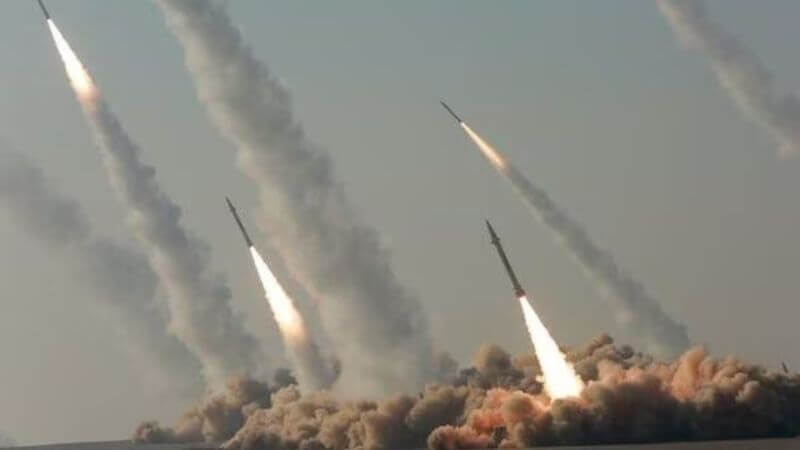
Iran Launches Fresh Drone and Missile Barrages Against Saudi Arabia, UAE and Bahrain Overnight
Iranian projectiles struck targets across the Gulf on Monday night as Tehran widened its regional campaign; 15 Americans were injured at Kuwait's Ali Al Salem base and GCC states have now collectively halted 7.5 million barrels a day of crude output.
Iran launched a fresh wave of missile and drone attacks against Saudi Arabia, the United Arab Emirates, Bahrain, and Kuwait overnight Monday into Tuesday, widening its campaign of retaliation against Gulf states that host American military forces as President Trump's Tuesday evening deadline for a ceasefire drew closer.
Iranian drones struck the Ali Al Salem Air Base in Kuwait, injuring 15 U.S. service members, U.S. officials told CBS News. Separately, Iranian ballistic missiles and drones were fired toward Riyadh and Saudi Arabia's Eastern Province, Abu Dhabi, and the Bahraini capital Manama, according to regional defense authorities and the U.S. Central Command. A number of projectiles were intercepted by U.S.-supplied Patriot and THAAD batteries, but officials confirmed some reached their targets, causing injuries and property damage. Specific casualty figures from the Gulf states had not been fully released by Tuesday morning.
The overnight barrage came a day after Iran launched a separate volley that killed 34 people inside Iranian territory, according to Lebanese and Iranian state media — a figure the U.S. military disputed, saying strikes had targeted military infrastructure rather than civilian areas. Iran's Islamic Revolutionary Guard Corps warned that if the United States crosses what it termed "red lines" by attacking civilian facilities, it would move to deprive the U.S. and its allies of oil and gas "for many years."
The scope and frequency of Iran's Gulf strikes have escalated steadily since the war began on February 28. The UAE alone has intercepted 498 ballistic missiles, 2,141 drone attacks, and 23 cruise missiles since hostilities began, according to figures released by Emirati defense authorities this week. Saudi Arabia's Eastern Province has been a recurring target because it houses Aramco processing facilities that represent the backbone of the kingdom's oil export infrastructure. Despite multiple strikes, Saudi Aramco has maintained that its core facilities remain operational.
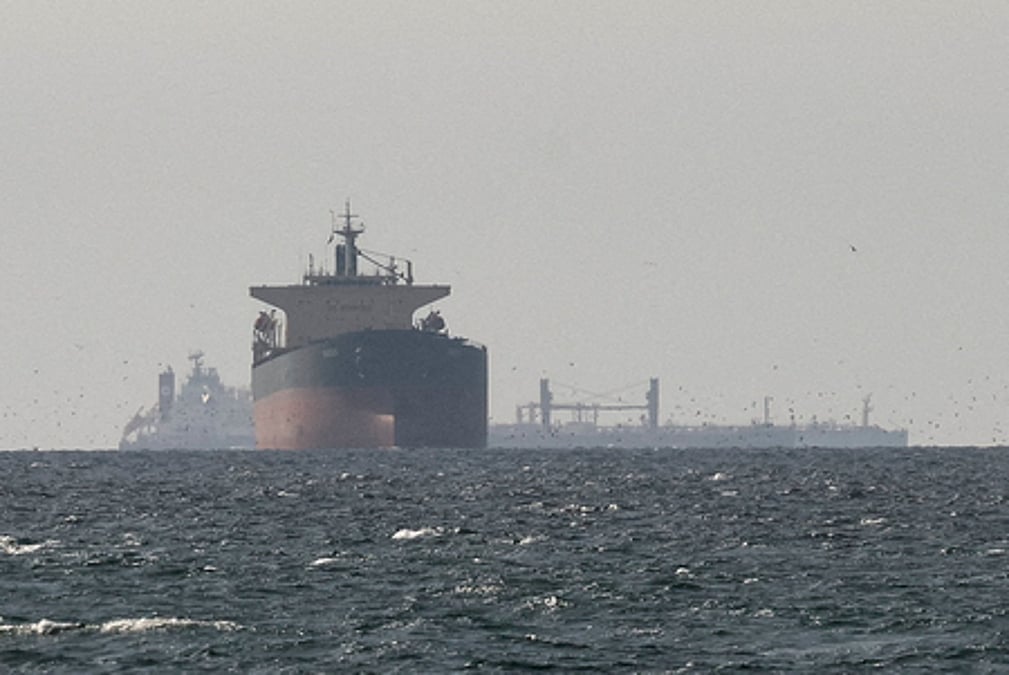
The Gulf Cooperation Council states — Saudi Arabia, the UAE, Kuwait, Qatar, Bahrain, and Oman — have collectively halted approximately 7.5 million barrels per day of crude oil production as a precautionary measure since the war began, a figure the U.S. Energy Information Administration expects to rise to 9.1 million barrels per day this month. Combined with Iran's effective closure of the Strait of Hormuz, the production curtailments have removed roughly 10 percent of global oil supply from the market, driving prices to levels not seen since the 2008 commodity boom.
Regional governments have publicly condemned Iran's strikes while carefully avoiding direct military involvement, attempting to preserve diplomatic relationships with Tehran while sheltering under the American military umbrella. Qatar, which hosts the forward headquarters of the U.S. Air Forces Central at Al Udeid Air Base, has been in discreet contact with Iranian officials through back channels, according to diplomats familiar with the situation. Whether those channels could produce a framework for de-escalation before Trump's Tuesday deadline remained unclear as the morning's news of the Kuwait attack intensified the pressure on all parties to reach an agreement.